 An interview with Mary Beth Ricks, Head of School, Bowman in Palo Alto, California
Founded in 1995, Bowman is an innovative, accredited Montessori program serving primary-8th-grade students in Palo Alto, California. Mary Beth Ricks has been Head of School since 2008 and started as one of the founding teachers at Bowman. Bowman is the first Montessori school in California to be accredited by the IMC. Mary Beth is Co-Chair of the Accreditation Commission. We are so delighted that, after a long search for property, they were able to secure land and begin their expansion. We thought it would be helpful for others considering an expansion to read how Bowman conducted their search.
IMC: What was the impetus for opening a second campus?
Bowman has grown from 13 to 280 students in the past 24 years, and our current campus doesn’t have enough space for additional facilities. Our three main goals for a second campus include: expanding our early childhood program to include ages 3-5 and completing the classic Montessori primary classroom; providing classroom space that follows Montessori guidelines for size and design; and offering enhanced arts, athletics, technology, and science programs for students.
For example, we don’t have a theater for our music and drama productions and must currently rent venues in the community. In addition, there is no gym for sporting events, so athletes have to drive to other locations to practice and play, and the current campus does not have enough room to provide the full set of STEAM/STEM activities we feel
are important.
In short, there is not enough space to expand on our current site, so the solution is a second location.
IMC: How close is it to the main campus, and how will the two new sites be configured?
The two sites are within walking distance from each other, approximately 300 feet door to door and totaling around 3 acres. Bowman students will move between the two sites during their day, as there are classrooms and activity space on both.
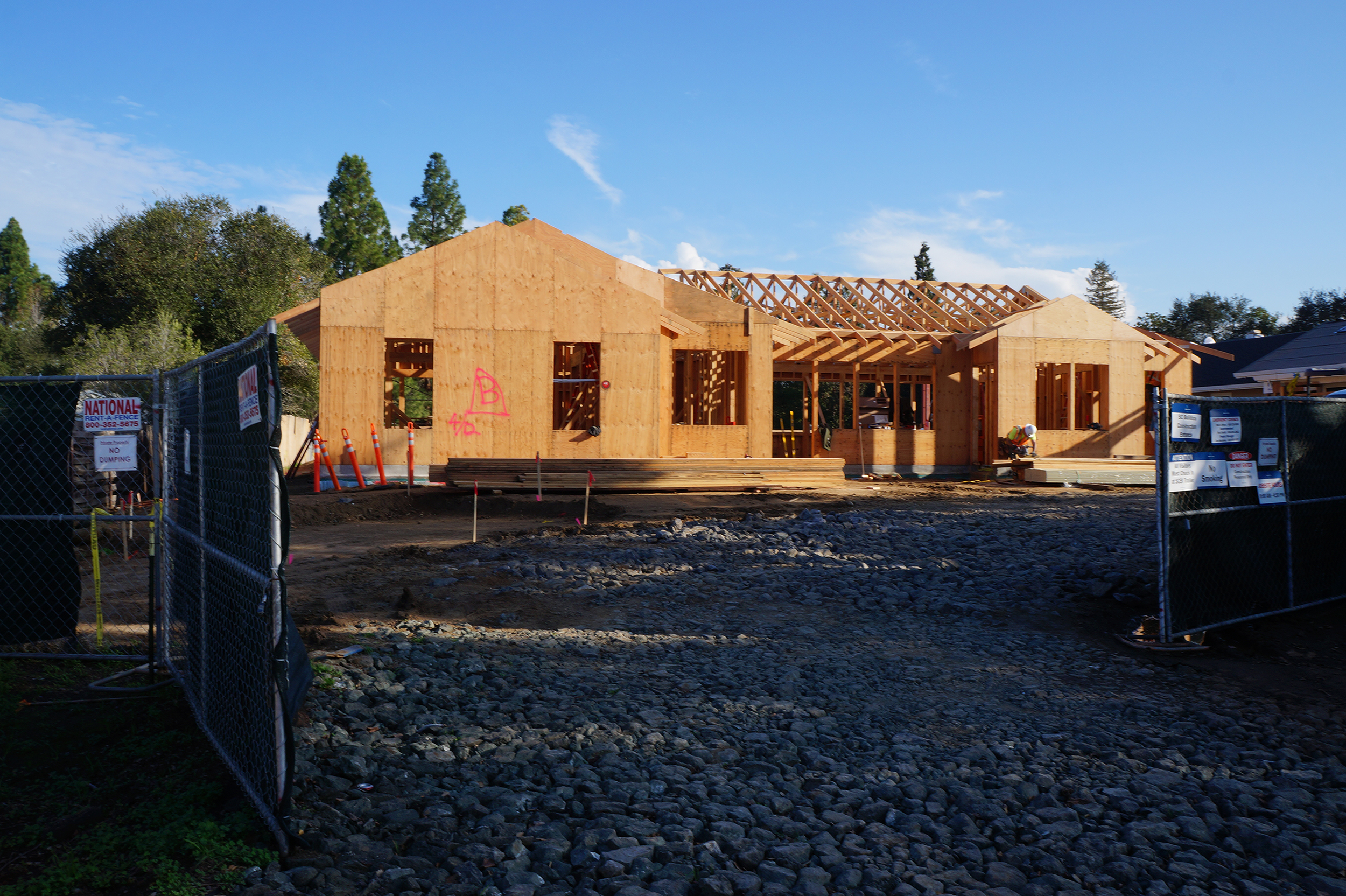
Our current site will house the majority of classrooms and administrative offices, along with the library, media room, and music room. The new site, called the Learning Village, will include our children’s house (juniors 3-6 program), theater, gym, IDEALab (maker space, media lab, woodshop) and outdoor learning environments, such as science gardens, a greenhouse, and a sunken learning circle.
IMC: How long has the process taken from the conception of the new campus to opening the doors?
We held the original stakeholders meeting in 2013, and we will open the doors of the new site in summer 2019.
IMC: What stakeholders did you involve in the process, and how valuable was that to the overall success of the project?
From the initial meeting until today, our stakeholders have always included current parents, alumni parents, teachers, board members, and all staff.
As we moved forward with our plan, we added our residential neighbors to the list of stakeholders. We have been in Palo Alto for 24 years and in this neighborhood for 15 years. There has always been a positive relationship with our neighbors, and we wanted to keep it that way.
All stakeholders have been overwhelmingly positive and supportive, with no push back or negative comments. Everyone saw the need, felt we had answered any possible concerns, and agreed that the project was going to be a benefit to everyone, including the community.
IMC: What were the most important considerations in your strategic plan and budget?
One of the key decisions from a strategic and budget perspective has been increasing our staff numbers at the current single site, in preparation for the staff needed with two sites. I read articles and talked with several people in similar situations, and the main concern with multiple sites is that it feels like two separate schools, instead of a cohesive community.
We have had additional teachers in place working with our current kindergarteners, who will then move into our juniors (3-6 program). But they have all worked together, understand the Bowman community and are part of the school. We aren’t bringing in brand new teachers and new students. We are just moving parts of our community to new buildings.
IMC: What outside services did you hire to help with different aspects of the project?
We worked with several different professionals to make this project a success:
Montessori architect specialist, Jim Dyck, provided insight into the overall design.
Our two architectural firms were selected based on their commercial and school experience, as well as their commitment to combining our need to function as a school, with a feel of a home. The design needed to fit into the residential style of the neighborhood. We worked with one set of architects to get approvals through the city and a different set for the actual building.
An attorney helped us work through the nuances of city planning approval processes.
Fundraising and public relations consultants were key to our strategic planning and communications efforts.
One final key service was a project manager. I absolutely could not have continued running the school effectively and dealt with the hundreds of details that come up every week without the help of a project manager. From what kind of lights, to what color paint lines on the gymnasium floor, to ensuring all building codes are followed, having a project manager has been key.
I would also note that Bowman School has a policy of not hiring any parents directly for paid services or working with a company that is owned by a parent. This is true in any situation, not just for the Capital Campaign.
IMC: Will there be any original artwork on the campuses?
Yes! We hired a professional artist to create a public art display. He also worked with our students to create symbols based on Maria Montessori’s noted human tendencies, such as abstraction, exploration, order, and work. Each symbol will be an original design fabricated in metal and embedded into the concrete used to pave the main entry to the school. An additional bonus of the project was that our students got to travel and watch the metal forging process.
Our city actually requires that new buildings include a percentage of construction budget allocated to art. Either the city can provide the art or you can source your own art and go through an approval process, which is the route we chose. It will be a direct reflection of our school and values, while also providing a great educational opportunity for the students.
IMC: What is your main piece of advice to other schools considering a Capital Campaign effort such as yours?
Be flexible and don’t lose sight of the heart and soul of your school. And take time to soak up the goodness of your project. You did this! ′
ML/ August 2019/ Pg 14