 Dear Cathie,
In our school the children bring lunches from home and there are no facilities to warm up the food. I find my choices of menus very limited and boring. Sometimes my son doesn’t even eat it, and most of it comes home, or he tells me he threw it away. Can you offer any advice to make lunch more interesting? Oh, by the way, we are a ‘nut-free’ school and the children can’t have peanut butter, my child’s favorite. — Mom
This is a common question and a common concern. Many parents want their child’s teachers to ensure that their child eats his lunch. It is often the first thing that parents discuss with their children at pick up time: “Did you eat all your lunch?”
First of all, children need far smaller portions of food than many parents think. A whole sandwich and an entire piece of fruit for a three-year-old may be simply too much quantity. Much of the pre-packaged food available for children’s lunches is simply a poor quantity for children this age. Many of our children eat only half of a container of yogurt or fruit cocktail. We end up throwing the rest away.
Please do not be upset when the food you send with your child is not finished. Use that food as a snack on the way home or before dinner. Pediatricians assure us that children will eat when they are hungry and drink when they are thirsty. Asking them to do otherwise is encouraging overeating and teaching unhealthy eating habits that can lead to health problems down the road. With obesity at an epidemic level in the United States and many other places in the world, we need to be certain that we are sending positive food messages to our children.
In the Montessori environment we ask children to listen to their bodies, their minds, and their hearts. They choose work that will enrich them intellectually, friends that will help them to grow, and food that will nourish their bodies. We have to believe that given a variety of healthy foods, each child will learn to eat a balanced diet. It is our job to provide the choice of food that will help them grow. It is the child’s job to choose from within them.
In the Montessori environment we ask children to listen to their bodies, their minds, and their hearts. They choose work that will enrich them intellectually, friends that will help them to grow, and food that will nourish their bodies. We have to believe that given a variety of healthy foods, each child will learn to eat a balanced diet. It is our job to provide the choice of food that will help them grow. It is the child’s job to choose from within them.
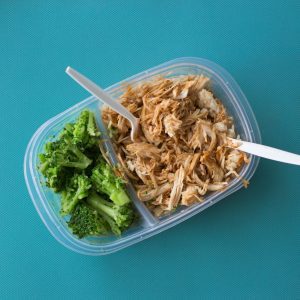
In packing a lunch consider options, portion and learning opportunities. A healthy lunch should include food from each food group, protein, grain, fruit and vegetable and dairy. Teachers use this as a time to discuss the food groups. “Sam, what did you bring today from the grain group?” In my classroom, we ask children to eat their protein first as a way of ensuring that they are not filling up on empty calories. This teaches children to identify the source of protein and recognize its importance. Avoid processed food like hot dogs and some lunch meat, as they often contain a lot of fat, salt, and nitrates. Prepackaged lunches available through the grocery store are well liked by children, but a poor choice nutritionally. Make these a rare treat — if offering them at all. We do not want children to come to crave a diet of unhealthy high fat, high salt food.
Protein can come in the form of cubed meat and/or cheese, yogurt, beans, hummus, etc. Even though peanut better is not permitted in your school, sunflower seed butter is delicious and a good substitute for many children. Include a small amount of fruit in a container with a re-closable lid. The small size works perfectly for this age group. That way leftover food can be taken home and consumed later. We find that fruit and vegetables cut into bite sized pieces are often better received than a whole apple or pear. Our children often enjoy the leftovers from last night’s family dinner. Broccoli, peas, and carrots are favorites in my class. Children enjoy them just as well cold.
We have a ‘no-candy’ policy and send the candy home if it comes in accidentally. We ask that junk food be a small part of the child’s diet, but parents do send, cookies, marshmallows, fruit roll ups and other empty-calorie foods. Children are reminded to eat these last.
Involve your child in planning, shopping for and packing the food for his lunch. Refer to the food by groups. “What fruit would you like this week? Oh look, grapes are on sale at our grocery store.” Looking at choices on the grid may help you think of foods that you may not have considered. Vary the foods you offer and perhaps even create a special family tradition by providing a special ‘try-something-new lunch’ one day of the week. Don’t be afraid to ask other parents what works for them. It is fun to discuss how some of these foods come from different places in the world. Children are fascinated with the study of the continents and they enjoy sampling different foods. Ask what they have seen others eat that they might like to try. Vary cold lunches and hot lunches. A wide mouth thermos is great for sending soup or leftovers.
Some parents also provide occasional, or even daily ,notes in their child’s lunch. This is a nice way to encourage learning to read as well as reminding the child that you are thinking of her during the day.
Best of luck in your quest for the perfect school lunch! Let us know what works for you!
Tomorrow’s Child/ EOS 2008/p22