You meticulously and consciously prepare the environment of your school. But is the spiritual culture of your school neglected? Let’s learn how to prepare a spiritual culture that nurtures both children and adults at your school.
I arrived unannounced three years ago on the doorstep of Village Montessori, a small school nestled in the foothills of the Blue Ridge Mountains in rural Virginia. The founders, Michael and Toby Gress, immediately invited me inside for tea at their kitchen table. I had recently moved to the area and was slowly adjusting to a new environment and had come to the school in hopes that connecting with other Montessorians would help me put down roots. I had no idea what would grow out of that first walk across their threshold.
During my Montessori training, our instructors talked about how Dr. Montessori stressed the spiritual preparation of the teacher. As I worked at different schools, I watched a variety of owners and trainers try to figure out how to make that concept manifest. Some gave up or ignored the concept completely, as there were no concrete directions towards something so personal and intangible. Eventually, I would notice a certain dissatisfaction, fatigue, competitiveness, or restlessness start to creep into the staff. Our talented teachers, for whom Montessori was a calling and not just a job, would eventually move on, craving something ‘more,’ even though they had difficulty defining ‘more.’
My discovery was that Michael and Toby have given a tremendous amount of thought to this topic and address it daily in their relationships at the school. This place is like nowhere else I have ever been. It’s more than a school; it’s a community that addresses the growth of the staff and parents right along with that of the children. The best way to describe it is that it feels like a home whose parents nurture every child on the block, no matter how they arrived there.
How do they do it? There is no cookie-cutter path, as every situation is unique. But there is a way to start and mile markers to follow. If you are interested in building a good spiritual culture that benefits all of the members of your community, both children and adult, then here is how to get started.
Creating an Intentional Spiritual Culture.
Just as you meticulously and consciously prepare the physical environment of your classroom, you must also prepare the culture of your school. The adults in the community must model their school’s most deeply held values, and in order to do that, you start by defining what those values are. This should not be left to chance. We emphasize the spiritual culture of our school right from the moment new parents walk in the door when they arrive to take their tour of the classroom. The culture we have built here is one of the things that attract new families to us. As the director, you must become an Architect of Culture at your school. Many Montessori communities allow their culture to be dictated by whatever personalities happen to arrive on staff or in the parent body, which is basically the same thing as setting sail with no map.
Imagine that all of the adults and children at your school are in the same tribe. Do you have a Director? Do they have a Healer? Do you have mentors to help guide others as they forge their paths? A culture must have a set of deeply held values, such as compassion, honesty, and empathy, at its core. We have the lessons of Grace and Courtesy that we use to help guide the children in the classroom, but do you have similar standards to measure the adults in the school? What are they? Whose job is it to approach the teachers or parents when they wander away from those values and gently guide them back?
Once you have established the values that are the foundations of your culture’s spiritual building, it is time to pose the following questions to yourself and the other adults in your community.
WHO AM I? People will be tempted to answer, “I’m a teacher,” or “I’m a computer programmer”, but that’s not who you are; that’s what you do. Many adults can’t answer this question at all. Here’s a general example to help you find the words: I am a unique, valuable, humble, and compassionate human being with a few deeply held values that inform my thinking and my actions with myself and others. I am teachable and try to be a model for others.
WHAT IS MY WORK HERE? This relates to our gifts and calling. According to Dr. Montessori’s writings, we need to be deeply spiritual in order to do our work as Montessorians. We must operate from a place of spirit so that we can assist each child in discovering who they are and what they are to be about in the world. Our school believes that we must trust the voice of our spirit–not the voice of our temporary mood that so often sways our current thinking when deciding what to do. We honor decisions guided by spirit in each other and support them. The Head of School must know what the spiritual culture of the school looks like at all times, how it behaves, and how to gently but firmly make corrections. To do less would be to ignore the
specific spiritual directives set before us by Montessori.
Our goal as a Montessori adult is to actualize the talents we have been given so that we may step up and be able to take responsibility for some part of the whole. When the adults in your community know what they are doing here, you will find that they quickly acquire a domain — an area of the community for which they take responsibility. Teachers have the domain of their classroom, but you will find parents and teachers taking on the domains of parent education, scholarship funding, communication, community building, and more when they are able to comfortably address this question.
One of my first experiences at Village Montessori was at a teacher in-service week, where we took time to answer this question. It bonded us together to realize that we all had the intention to build a safe spiritual community for everyone at our school. Our captains might have to call for course corrections along the way, but we are in agreement about the course.
WHAT PREVENTS ME FROM LISTENING TO MY SPIRIT? Even Michael and Toby, who have been doing Montessori since the year I was born, are open and honest about who they turn to for help and who mentors them. They make us all feel more comfortable saying, “I need help”.
Many of the adults will need mentors as they move forward. Everyone needs someone to follow before they can lead. If you see adults needing help, this requires attention. Every spiritual tradition on earth has a guru-disciple relationship in it. Why? Because it helps us with continuity in our spiritual maturation. Without a mentor, we tend to get lost in the weeds over time.
Montessori said children are not blank slates. They come with spirits. This is reflected in the way we celebrate a child’s birthday in class. As the child walks the circle, we state aloud for all gathered that this child was born into this world as a unique individual and that there never has been, and never will be, another like him again. The other children on the circle are encouraged to practice giving voice to anything they would like to celebrate about that individual—a practice we support throughout our spiritual culture here at the school.
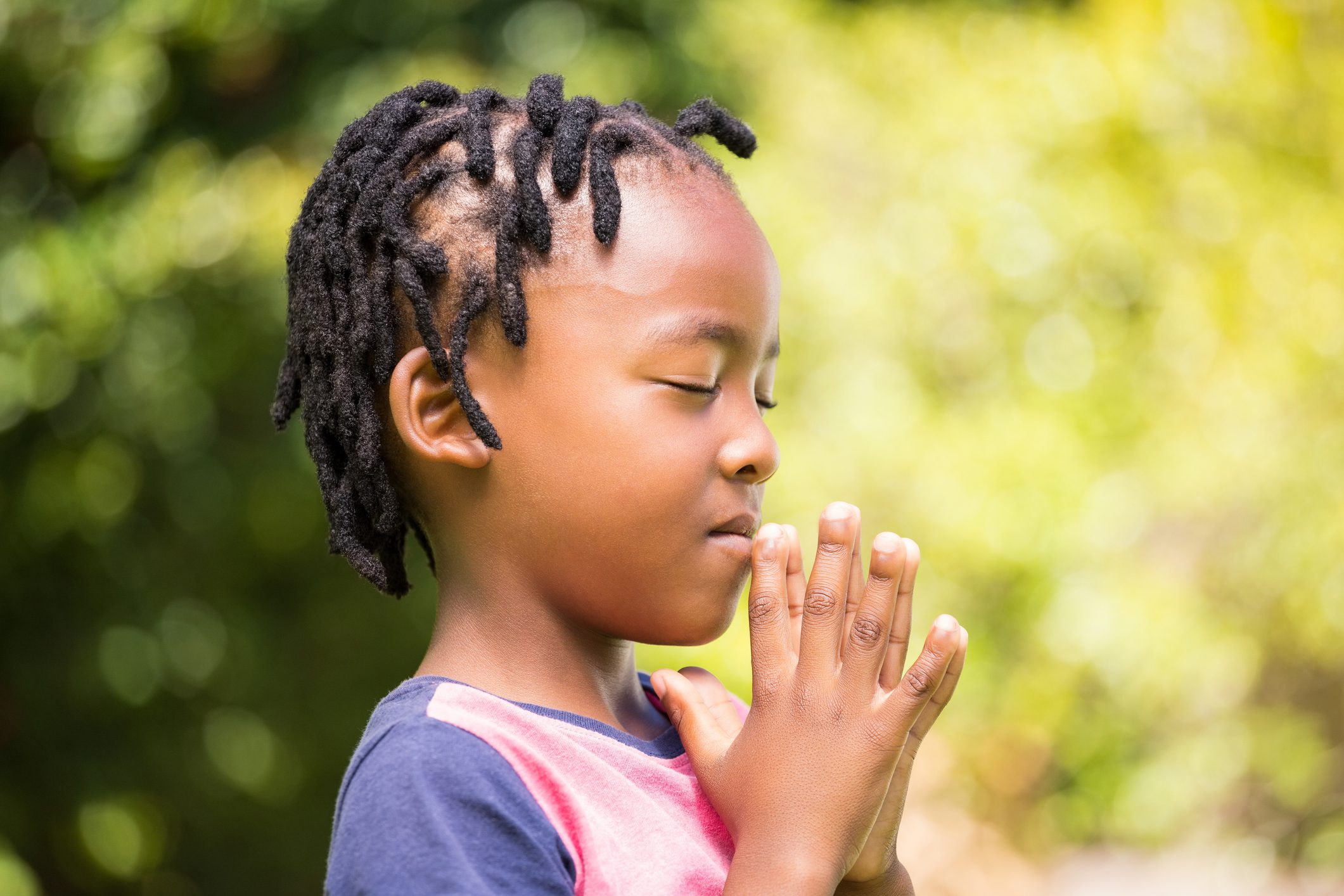
Our adults come with spirits as well. What prevents our adults from stepping into their unique place in the world that was specifically created for them? If we want to build a healthy, normalized school culture, we must build a spiritual culture. We must have adult guides for the children who listen to their spirit and trust it. When the adults in the school can clearly hear (and follow) their spirits, they become content, satisfied, and calmly energized. They grow towards spiritual maturity – which, in Montessori terms, we might call ‘normalization.’ These adults are the best guides for our children as they set out on their own life’s journey. There’s no question that they deserve this gift.
Tomorrow’s Child / April 2015 / p 13