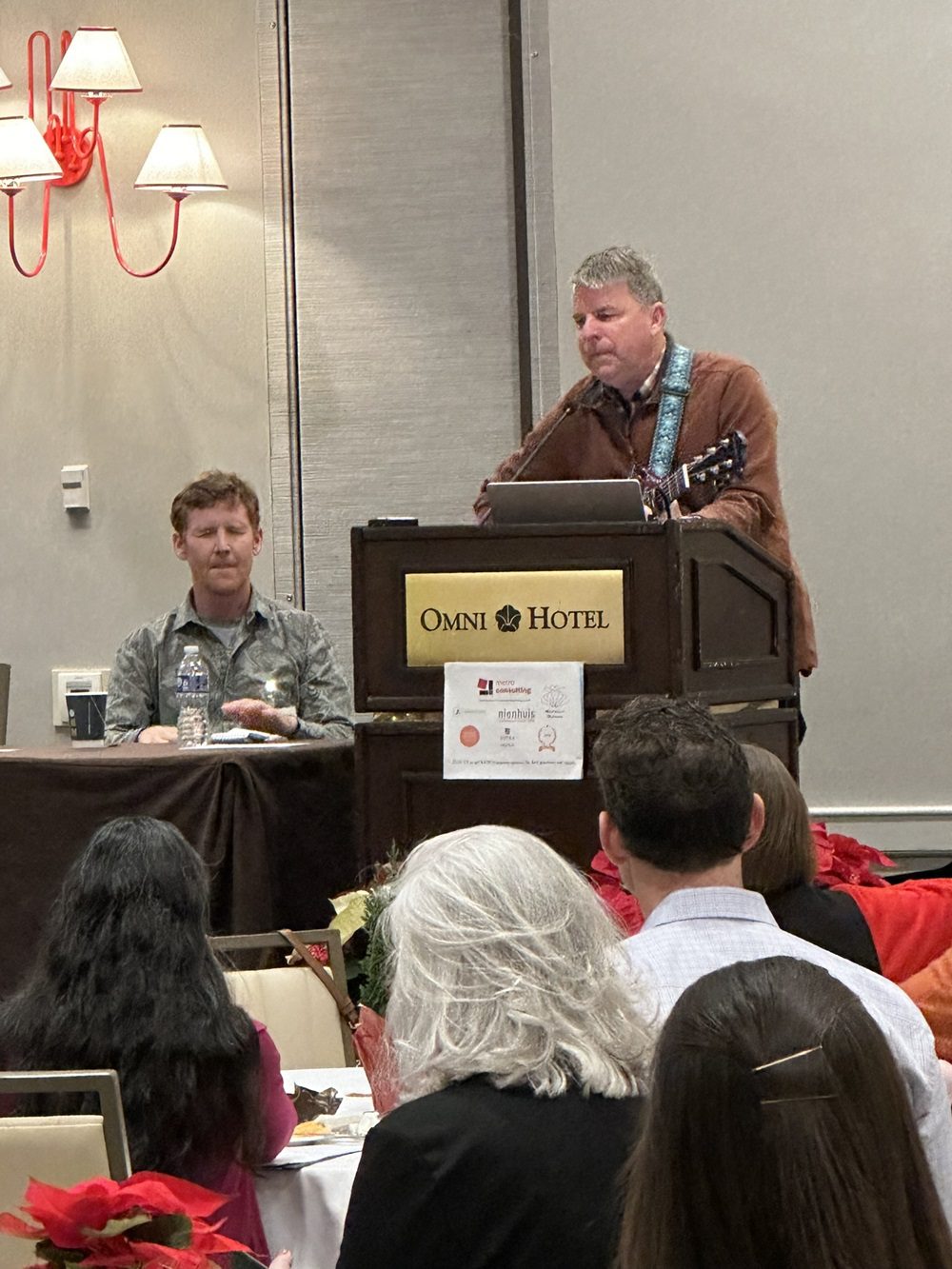
Thank You for Attending our 27th Montessori Conference!

Thank You for Attending our 27th Montessori Conference!

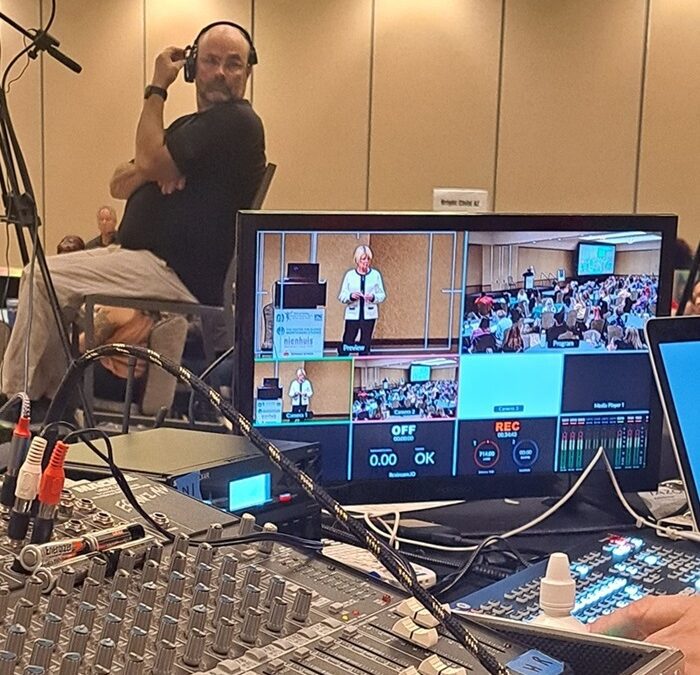
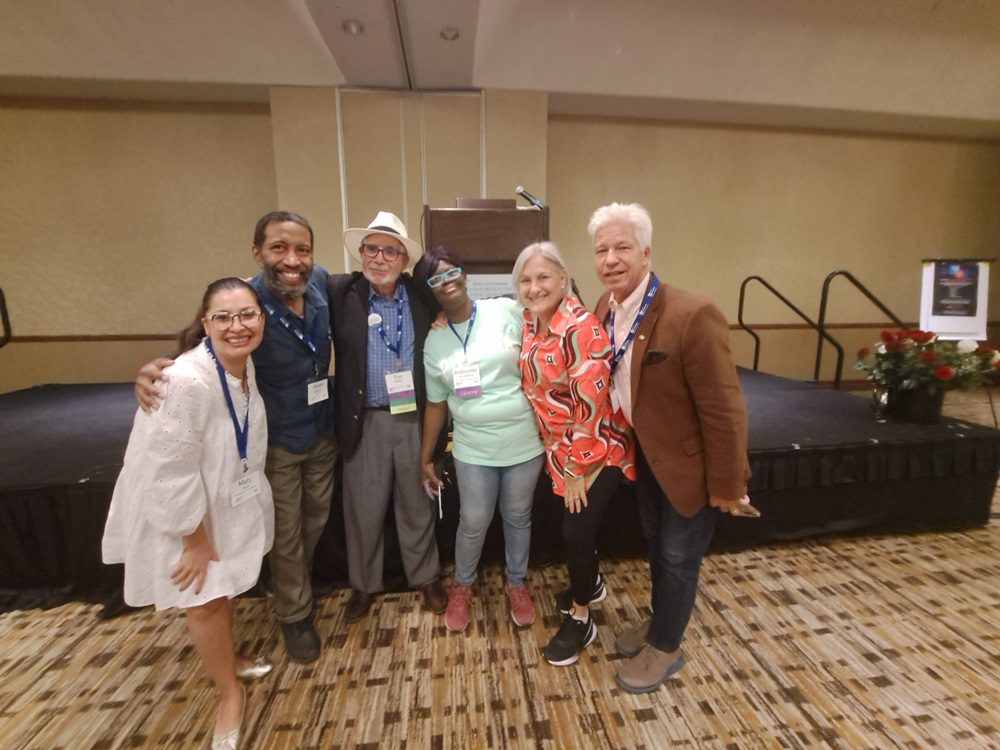
Thank you for attending our 27 th Montessori Conference!

Putting together a conference presents its many challenges but it also comes with a wave of excitement, expectation, and hope that all will be ready and exceed the expectations of our attendees.

This year’s conference had two incredibly inspiring keynotes, they pushed our comfort zone and made us question our preconceived notions, but isn’t that what Montessori intended herself with the spiritual preparation of the teacher? In today’s world, guiding children for an ever changing world is more important than ever.

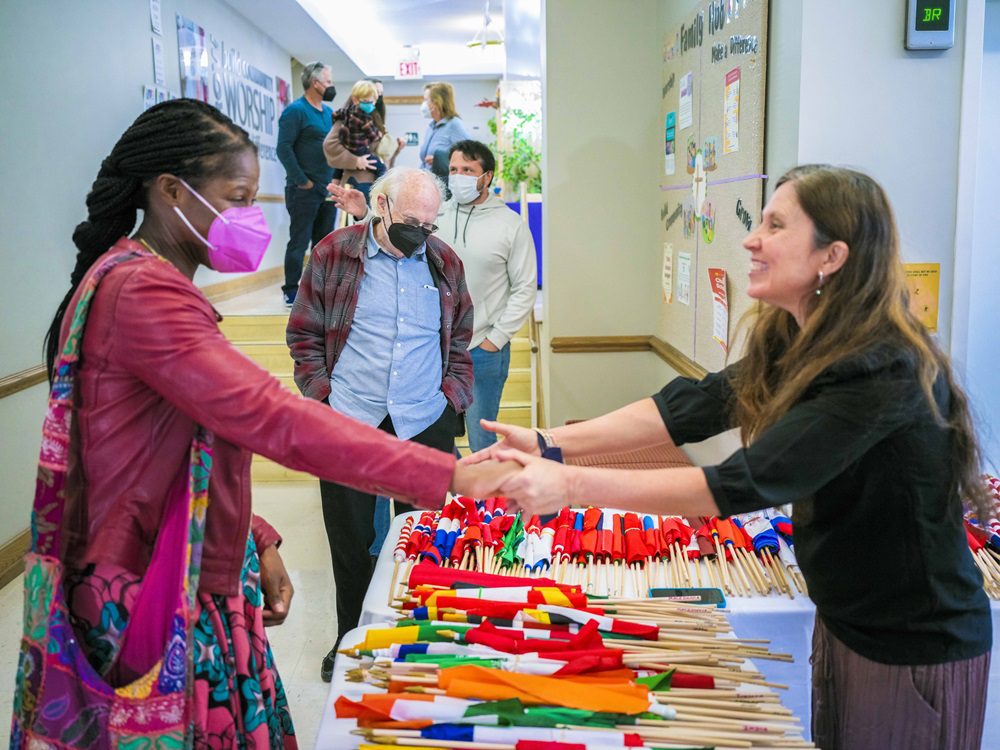
For those lucky enough to join us on Thursday, we had a plethora of activities that brought a smile and would helped decompress even the most stressed educator, from golfing and hiking to pushing your creative self. The day was full of anecdotes and bonding moments.

We need to highlight our new location, nested in the beautiful Sonoran Desert, that brought a beautiful setting to our conference, we want to thank all our Sponsors, our exhibitors and all our attendees that made this such a special event.

See you in 2024!

IMC

Dear IMC members and Friends

Dear IMC members and Friends

As we settle into another new year, I reflect on the endless growth, learning, and evolution we witness each year and the opportunity to start anew. The excitement is palpable as our classrooms come alive with the hum of curiosity and discovery.

Our Montessori community thrives in its unity, resilience, and shared belief in the transformative power of the child. We remain unwavering in our commitment to the Montessori pedagogy. This commitment enables us to adapt, innovate, and persist.

In this edition of Montessori Leadership Magazine, we aim to explore, celebrate, and support the many dynamic facets of Montessori schools.

Please note several key articles:

IMC Leadership Series: The Montessori Board Renee DuChainey-Farkes and Tim Seldin bring us an excerpt from their upcoming book about Montessori Boards. In Part I of this article, the authors provide an excellent primer on board responsibilities and answer our most pressing questions. They will expand on the implementation and effectiveness in Part II, which we’ll publish in the next edition.

In Repaired Environment: Caring for our Buildings, Grounds, and Infrastructure, the author Tanya Ryskind asks, “How well-equipped are we to understand the needs and tendencies of our buildings, grounds, and infrastructure?” She explores how reframing our mindset can set us on a journey of seeing our facilities and environments with “new eyes” while providing practical solutions for creating optimal systems.

You will learn what’s happening in the national Montessori world with contributions from the Montessori Accreditation Council for Teacher Education (MACTE), Montessori Public Policy Initiative (MPPI), and the National Center for Montessori in the Public Sector (NCMPS).

Every story and insight we share is a testament to the passion and commitment each of you brings to the IMC.

We sincerely appreciate all educators, administrators, parents, and supporters. Your passion, hard work, and dedication remain the power of the Montessori movement. As we navigate this school year, let’s do so with the spirit of collaboration, curiosity, and infinite love for the child – the very tenets Dr. Maria Montessori championed.

It was so great to you all at our 27th Annual Montessori Foundation -IMC Conference in Phoenix, AZ. We hope to see you again next year! I wish everyone a year of discovery, growth, and meaningful connections.

Rooted – A story of growth & hope

Rooted – A story of growth & hope

And we are back. Those words are easy to write: however, the hope from the past was not evident as we move into an uncertain future. While many schools re-opened and phased out COVID protocols along with the CDC, schools became opinion battlegrounds. During the pandemic the spirit of “we are all in this together” and “we can do it” was pervasive, and then last Spring there was a shift to division and disunity. This divide permeated itself into school communities as well. Parents, teachers, and children took sides, intentionally or unintentionally. As a global Montessori community we honored, respected, and trusted the decisions our schools, families, and faculty members made. Through observation, we did what was best for our specific schools. Rules kept changing so we had to shift gears on, what felt like, a daily basis.

Overall, in the Fall of 2022, there was a “back to normal” feeling in the air, acknowledging what these past few years have been while being able to move forward. With this before us, many questions have arisen.

  • How is it that we have changed?

  • What kind of people have we become?

  • What do we hold as sacred?

  • Have the “gifts of change and adjustment” improved our work?

  • Have we improved? Have our school communities become healthier?

Some of those questions may have applied to you, some may not have. We have had a challenging few years and now as the fog lifts, we have the time and space to self-reflect and reconsider what our individual school best practices are.

At Pines Montessori School the summer of 2022 was unlike any we had seen before. First, it was our second largest construction / remodel project in the past five years. We gutted and reformatted our 5,000-square-foot space that once held a small commercial kitchen and our lower elementary community of 50 children. (Years earlier we had remodeled our main building which housed our Infant, Toddler, and Primary communities and our main offices, in addition to the purchase of a building for our Middle School program expansion with another remodel.) The brand-new space expanded our commercial kitchen while adding a full pantry, a teaching kitchen for students, a practical life mudroom including restrooms, washers and dryers, storage, and two brand-new lower elementary communities. Also, our main offices received a makeover with a new teacher workroom, lounge, and separate spaces for specialists and parent conferences. For any school this is exciting, for a private school this is phenomenal. Second, our enrollment was so robust during our summer session that the majority of our staff worked. Summer was challenging and inspiring. It gave us time and space, as a staff, to dream about the fall semester. The staff met weekly to discuss and plan; on paper, we had it all together and were ready to go.

With our largest-ever fall enrollment and staffing challenges, we welcomed over 10 new staff members, making us a mighty team of 50 faculty and staff. Also, over one-third of our current families had never experienced our campus pre-COVID. This “wow” realization struck us as the world continued to open back up. We needed a reset. We all knew the past two years were mentally and physically exhausting, yet, while stressful, there were also beautiful, peaceful moments. These years also challenged us to rethink and alter some of our long-held traditions. We knew that the start of the 2022 school year was going to be new and different, yet familiar. We were going back to our “new normal.” But what did that mean?

At Pines we had set many specific goals for the start of our school year in this new season and what came about was a hybrid of the new, old, and a little of both. Some of these included:

  • Meaningful & purposeful outdoor work

  • A full inventory of all beautiful/complete classroom materials

  • A high-quality dining experience for snacks & lunch

  • Fully in-person activities (back-to-school parent meetings, schoolwide events, and conferences)

  • Classroom environments layouts remaining open and clean, but more organic in nature with space for independent and group work/activities

  • Celebrations with the whole school community (Some changed completely and became truer to who we are, while some we were so thrilled to bring back.)

  • Onboarding new faculty members

  • Onboarding faculty members that began during or after the pandemic and didn’t know what we did before COVID

  • Resetting the minds and souls of all the lead teachers and faculty who taught before COVID

  • Further advocating for teacher equity and compensation

  • Onboarding new families

  • Welcoming the children

On August 8th, as the faculty and staff returned to campus, we hit the ground running and did not slow down. The summer construction projects were almost complete. We reset and moved multiple classrooms alongside construction workers wrapping up their projects. We kept moving forward. With reflection and time, we soon realized that we were running a marathon, but we were sadly underprepared and not in shape for this work. We didn’t ease into the opening of a brand “new normal” school year, so we paused, spent more time preparing our environments, our hearts, and held a very touching and moving “Bundle of Sticks” ceremony which led to the creation of a staff peace treaty, which we call our Pines Covenant. Yet through this all, we had to navigate the new school year with a new mindset and muscle memory that, for many of us, was not one that we exercised. This re-imaging seemed overwhelming.

Throughout the course of our first two weeks, we hosted our Compass Nights (our welcome back to school parent nights with food and childcare) with over 350 parents and 230 students in attendance on campus, hosted an after-school snow cone social event, and continued to prepare all our classroom environments, which continued to include moving, unpacking and expanding in many cases. By mid-September we celebrated our new kitchen remodel with a ribbon-cutting ceremony and hosted an International Day of Peace Celebration with peace poles made by each family from our school, both of which were held on the same day! Once again, something we had never done before. There were still multiple events left to dream, plan, implement, and staff. In addition to campus-wide events, individual classroom staff recalibrated themselves, the environment, teaching team dynamics, and lessons. Amidst all of this new change, guiding the children and their families on this new journey was our most significant piece of work.

With this gift of time and space we asked ourselves, “Is ‘going back to a new normal’ really all that it’s cracked up to be?” The resounding answer is yes! Yes, our work is crucial in the lives of the children in our community. Our work and our community, are part of a global movement for positive change in our world. For us, at Pines, our new normal is one we met with eager anticipation. We are cognizant that we still have areas for growth, improvement, and learning. Now we are slowly easing back into our best practices with as much patience and grace we can give each human that walks onto our campus, and hopefully, we all leave each day better than the day before.

We all adapted as best as we could, changed events, classroom layouts, etc. As each new school year begins, look for opportunities on your campus to encourage one another as we navigate each year of going back to what we do. Learning from our past experiences and making positive changes permanent, we continue to strive to create a new normal for our community.

Ask crucial questions that motivate and inspire growth.

  • How can we do this better or in a different way?

  • How have we changed?

  • What practices did we neglect?

  • What practices can we now do again?

  • What practices can we continue to implement?

Going back to our roots as Montessorians is vital, not only with our classroom practices but within ourselves. We are part of something much bigger than ourselves and are grateful for this cosmic task we all share. Each year is a time to start anew and be reminded that Dr. Montessori never asked for right or perfect, but for each of us to reach our greatest potential.

David Rotberg is a Lower Elementary Guide at Pines Montessori School in Kingwood, Texas. David is also a faculty member for The Center for Guided Montessori Studies, serves as an accreditation verification visitor for the IMC School Accreditation Commission, and is a presenter at Montessori conferences.

The Peace Rose: A Priceless Gift… from the Dollar Store!

The Peace Rose: A Priceless Gift… from the Dollar Store!

I glanced across to the Peace Table in the far corner of the classroom. Belssy and Nia were sitting across from each other, ‘doing’ the Peace Rose. Unbeknownst to me, Belssy had quietly initiated this activity, which meant she had asked Nia to “do the Peace Rose,” feeling that something occurred between them that needed to be resolved.

I continued with the math lesson I was giving, while keeping an eye on the girls. I observed Belssy pick up the red silk Peace Rose and the ‘dialogue card’ from the low table. Though they were speaking quietly, I knew what they were saying—it was a familiar and well practiced scene in my public school Montessori classroom.

The child is both a hope and a promise for mankind.

– Dr. Maria Montessori, Education and Peace –

Holding the rose and reading from the card, Belssy would be saying, “Nia, I didn’t like it when you grabbed the scissor without asking ‘cuz I wasn’t done with it!” Passing the rose and the accompanying card to Nia, I could preempt the response: “I hear that you didn’t like it when I took the scissor because I didn’t ask and you weren’t done with it.”

Then the rose and card were passed back again.

Belssy would now be saying, “I would like you to say sorry and ask next time when you want something I’m using.” Passing the rose and card back a final time, Nia would then answer, “I’m sorry. I’ll try not to do that again.” Finally, holding the rose together, they would declare “Friends!” and each calmly return to their work.

Of all the events in the classroom, children solving interpersonal issues independently feels most important. This memory of mine, of Belssy and Nia, is not a unique moment or a ‘fluke,’ but is the outcome and reward of very intentional and deliberate teaching and modeling of social skills and personal problem-solving procedures, done with the aid of a very important tool in the classroom—the Peace Rose.

In the early days of school each Fall, teachers mindfully set the stage for the rest of the year.

This is inclusive of Grace and Courtesy lessons, co-creating classroom agreements, alongside the practice of routines and procedures. And with all of this, a strong focus on how to peacefully resolve interpersonal issues is crucial.

Interpersonal challenges invariably come up quite regularly in the peer relationships of the classroom. The Peace Rose ritual is a powerful way we can enable children to address these conflicts independently, and in a manner where both parties feel the issue was addressed, and, at the same time, have their dignity preserved. Given the opportunity to learn, practice, and the provision of the right tools, the majority of children will accept the responsibility of skillfully settling their interpersonal problems on their own.

Preventing conflicts is the work of politics; establishing peace is the work of education.

– Dr. Maria Montessori, Education and Peace –

The Peace Rose was first introduced to me during my Montessori training. When I tried it in the early days of my E1 teaching, my assistance was needed too often. The children often fell into arguing about what had occurred and I saw the need for the modelling of skillful ways to express and respond to hurt feelings. I introduced a procedure, in the form of a simple dialogue on a card that they could use each time they used the Peace Rose, without needing a teacher to mediate.

Practicing short scenes through roleplaying is an important way to provide students with the practice that is necessary for it to become a standard response to conflicts. So, I created roleplaying cards, each with a one sentence scenario of typical classroom conflicts. Two children at a time would act out the scene in the center of the class meeting circle, using the Peace Rose to signify whose turn it was to talk, and the dialogue card to help structure the conversation. Nearly everyone was eager for a turn.

“If we are among the men of good will who yearn for peace, we must lay the foundation for peace ourselves, by working for the social world of the child.”

Maria Montessori, International Montessori Congress, 1937

As we know, children need structure, predictability, and clear expectations. They need to be explicitly shown positive social skills, which often includes modeling the words they haven’t yet learned, so that they can express themselves in ways that are both respectful and honest. They also need opportunities to practice these new skills.

Along with the Peace Rose and their accompanying dialogue cards, highlighting the simple phrase, “If I did that, I’m sorry” proved to be a magical statement that could be said by a child who was not, for whatever reason, able to acknowledge what their classmate was asking them to address. Rather than telling a child to (disingenuously) say “I’m sorry,” the use of these simple words nipped many a stalemate or argument in the bud.

Phrases such as: “I didn’t like it when…” “My feelings were hurt when…” “I would like you to…” “I hear that you feel…” “Next time I will…” are ways children learn to express their feelings without attacking the other person. Another useful phrase in response to hurtful behavior is, “We don’t say that in our classroom” or “In our classroom we… (use kind words),” which adults model and children are encouraged to say to someone who is not following a class agreement.

For our returning students, these lessons provide opportunities to show leadership, as well as reminders of how we do things in our classroom. Our new students benefit from their older, more experienced classmates’ guidance and support, as they ‘pass down’ the culture of the classroom. This includes the caveat that when you are asked to do the Peace Rose, you can say you need some time before you do it, but it needs to be done before the class eats lunch or goes home.

If we are among the men of good will who yearn for peace, we must lay the foundation for peace ourselves, by working for the social world of the child.

When the Peace Rose is given a place on our classroom Peace Table, it transforms from being a decorative item from The Dollar Store to an object that embodies a message of peace, understanding and skillful problem solving. It becomes a tool for the children to actualize the ethos of the classroom— a commitment to working together to create a caring, peaceful community of learners, where children can accept the responsibility that comes with living and working side by side in an environment rich with dignity and respect for oneself and for others.

Sensitivity to the feelings of others, moving from an egocentric viewpoint to understanding and caring about the feelings of others, is a major development in the child’s social and moral development. This needs the support of a classroom environment that teaches, models, and believes in the peaceful resolution of conflict. The Peace Rose approach is a simple, powerful, and effective way to empower our students and create a more peaceful classroom!

Julie Shornstein Cash is an E1 Montessori guide recently retired from teaching at a public Montessori program in Kingston, New York. Throughout her teaching career she has had a special interest in creating a strong sense of community and promoting student-centered, humanistic and democratic values in the classroom. Julie integrated music, art, and drama, along with daily singing with her guitar, into the daily life of her classroom. Using the Writer’s Workshop Approach she developed a robust writing program where the children’s authentic life experiences inspired their work and created a strong and supportive community of writers. Julie received numerous grants that provided funding for authentic learning experiences through field trips and having specialists in the arts contribute to a project-based, integrated curriculum. She graduated from the Bank Street College of Education and completed three levels of the Responsive Classroom training.

9 Areas of a World-Class School

9 Areas of a World-Class School

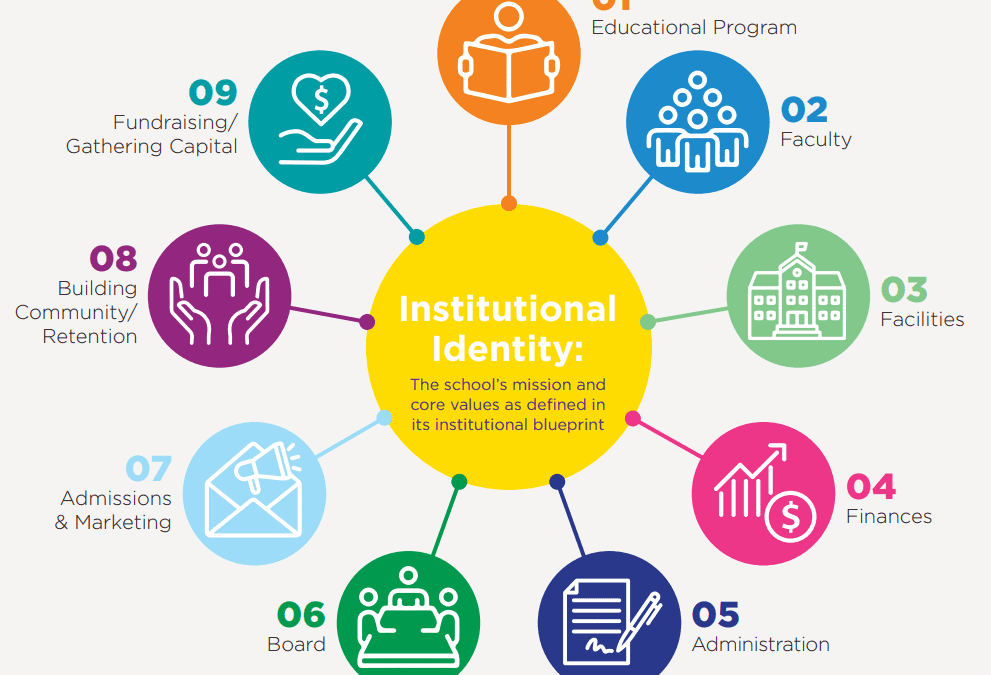
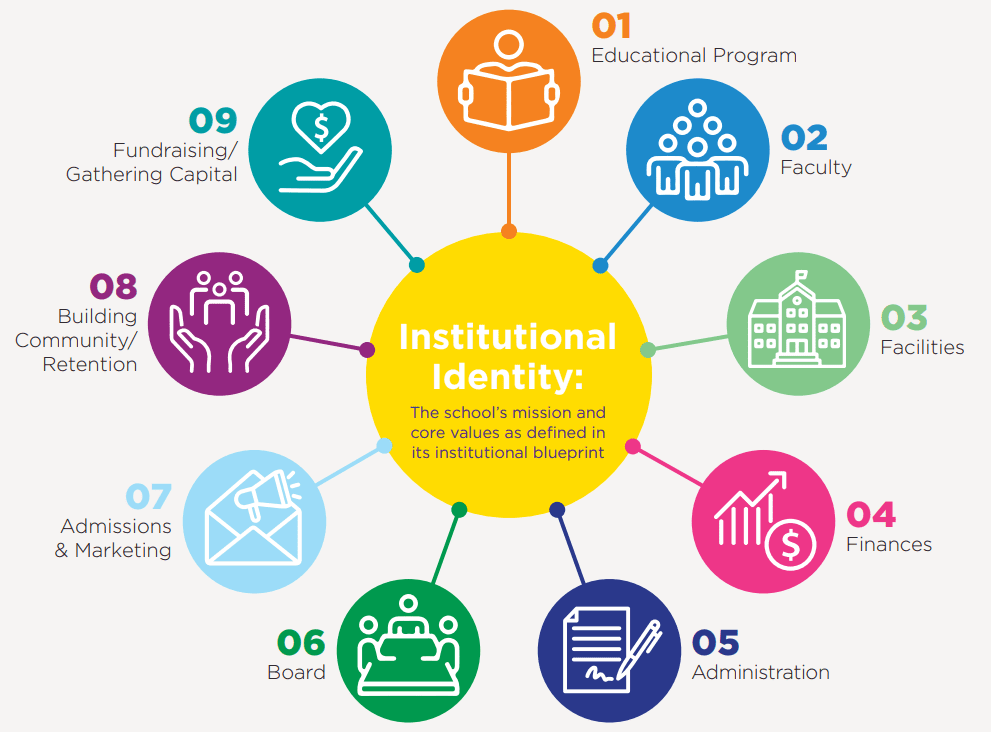
01 Educational Program Your program should reflect a very careful sense of your mission and identity. For a school to grow and enjoy respect, parents should be confident that their children’s experience in the school will be highly consistent from year to year, from one class to another, and from one level to the next.

02 Faculty It encompasses all your staff from teachers to the janitorial staff, your faculty is selected because they’re able to create and sustain the education program you have envisioned.

03 Facilities A great Montessori school feels like a children’s house, and it has timeless beauty. The facilities should support the educational program.

04 Finances To be excellent, a school must be financially sound. To become financially sound, a school must have a budget, a good bookkeeping system, and a financial plan that focuses on funding growth.

05 Administration Capable to run a Montessori program that runs smoothly and is a leader to all the community.

06 Board It is critical to clearly define the authority of the Head of School in contrast with that of the Board. All too often, confusion results when the roles of the Board and the Head of School are not clearly defined. It is not uncommon to see Board members performing administrative functions or making decisions more appropriately by the Head of School. This can lead to mistrust and conflict among the Head of School, the Board, and the faculty. This has the very real potential to destabilize the school.

07 Admissions/Marketing A school should clearly define its unique character and understanding. It places a high priority on designing admissions processes that find families for whom the school is a perfect match. This contrasts with policies aimed at simply filling openings.

08 Building Community/ Retention Attrition refers to a reduction in enrolment from children leaving for reasons other than graduation. To be truly effective, the Montessori program requires that children stay for a full three-year cycle at the very least. This means that the school actively works to retain students once enrolled. Ideally, schools should aim for attrition of no more than 10%.

09 Fundraising/ Gathering Capital Capital Create a culture of giving where your community feels inclined to support, volunteer and donate for the growth and development of the school.

There’s an App for That

There’s an App for That

By Sean Cann & Maly Pena

Have you ever found yourself trying to schedule a doctor’s appointment and wondering when that field trip is scheduled so you don’t plan it on the same day? Or trying to respond to a friend of a friend who wants to know, “What is Montessori anyway? Is it worth it?” You know you can access the school calendar and an article you can share, but do you have time to gather all that information? What if there was one app for that?

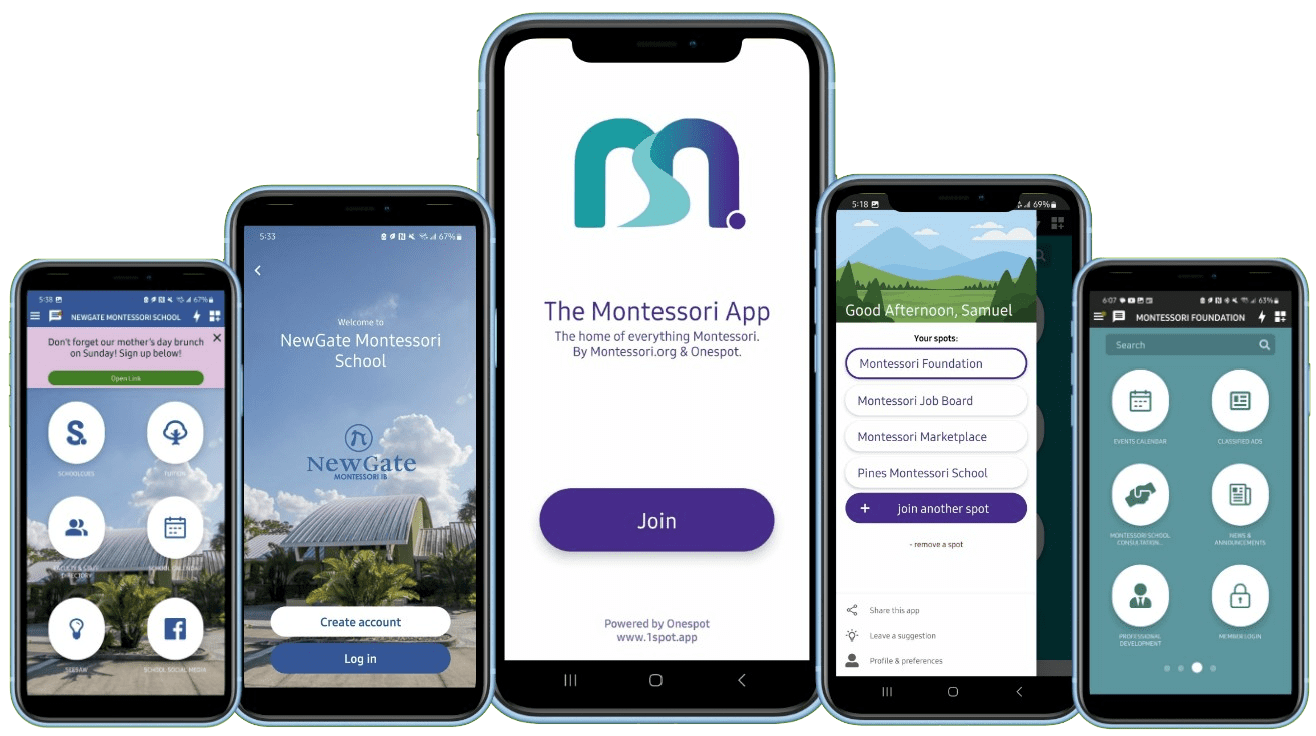
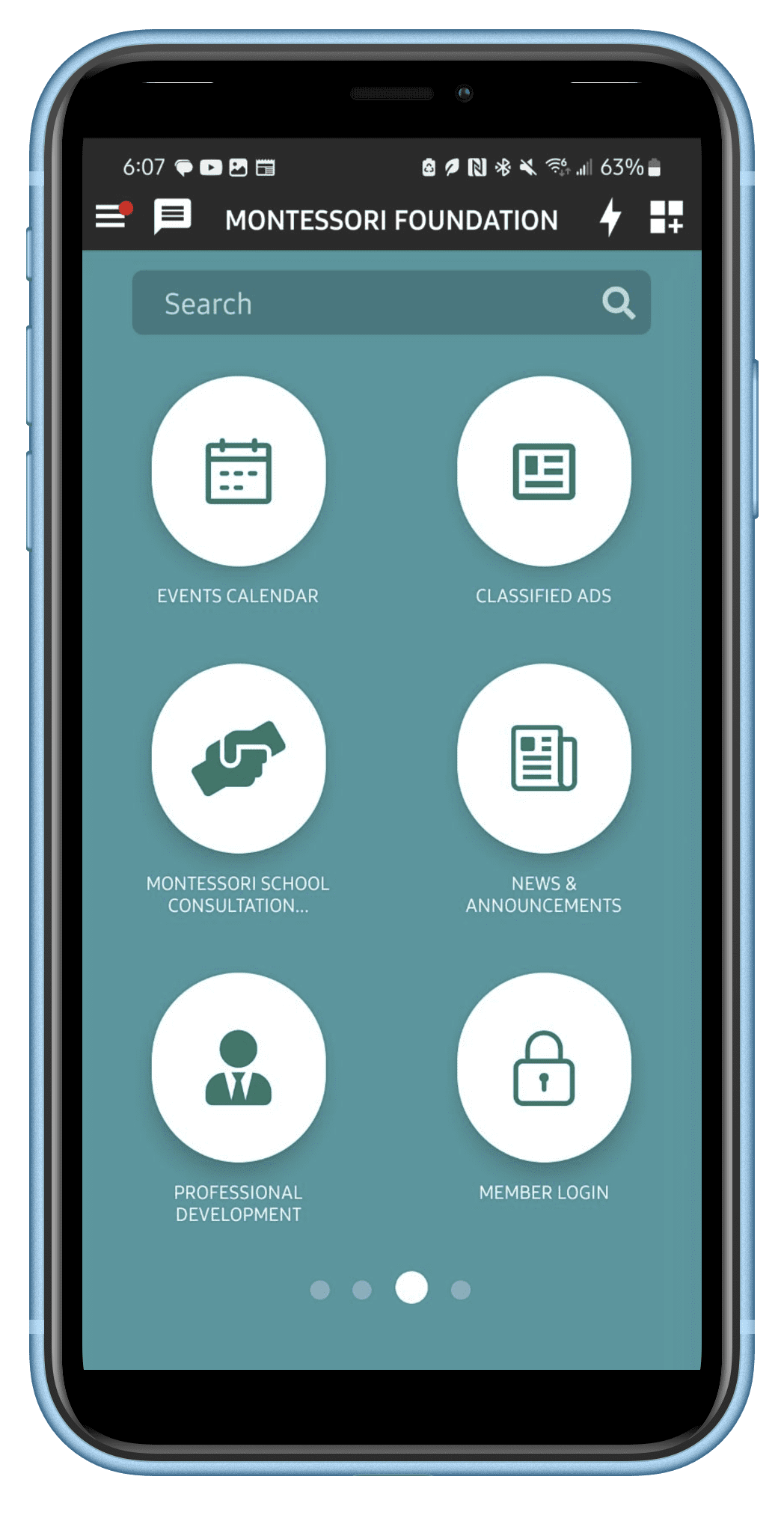
Montessori.org—home of the Montessori Foundation, the International Montessori Council, and the Montessori Family Alliance— officially released The Montessori App on the iOS and Android app stores. This new app organizes all Montessori.org resources into one central spot. In addition to Montessori.org resources, this partnership also allows any Montessori school to have its own school-specific app within The Montessori App, making it a true one-stop-shop for any Montessori school’s community. Anyone can install this new app for free by searching for montessori.org on the app store.

The International Montessori Council’s new mobile app allows anyone in the Montessori community to easily access all of Montessori.org’s information in a user-friendly, personalized way. This new home for everything Montessori is helpful for school administrators, teachers, parents, and anyone else interested in learning more about what Montessori has to offer. Now, anyone can join the app to discover upcoming events and webcasts, receive personalized messages about things happening in the Montessori community, and much more.

“It will be a very easy way for interested parties to put Montessori resources on their phone,” said Tim Seldin, founder and President of the Montessori Foundation and Chair of the IMC. “For no cost, they can get information about Montessori and our different initiatives. Each organization (Montessori Foundation, IMC and the Family Alliance) have their own pod that showcases everything that is happening.”

The International Montessori Council has been facilitating resources to Montessori schools for over 20 years. The app becomes a one stop shop for schools to find the weekly webinars, access Montessori Leadership, look for resources, learn about accreditation, access a professional development course, schedule one-on-one consultancy, and much more.

Building a mobile app wasn’t a new idea for our organization. Seldin said they had been intrigued by the idea of having their own custom mobile app for montessori.org resources for some time. “The reason we didn’t do it before — and we’ve really thought about this for a few years now — is the cost has been astronomical,” said Seldin. “I mean, we actually bought a do-it-yourself app maker, and it frankly never worked correctly. It was a giant pain in the neck.”

As soon as we met the founders of Onespot, a startup that empowers any school to have a custom, school specific mobile app without needing to write a single line of code. We were able to get something up and running very quickly for the Montessori Foundation, the International Montessori Council, our Montessori Family Alliance, and our Montessori marketplace. That’s really complicated. The Onespot platform could take that complicated system and make it simple.

“According to a recent TechCrunch article, people around the world now spend an average of four to five hours per day using mobile apps. That number continues to rise, accelerated by the COVID-19 pandemic.”

The platform is similar to website builders, like Squarespace or Wix, but for mobile apps. Complex organizations (schools, businesses, non-profits, or even montessori.org) can use Onespot to make custom, easy-to-use mobile apps. And because the platform was developed with scalable technology, the founders can keep the pricing incredibly affordable while still providing top-notch customer service. “It was just obvious to me that they were on to something,” said Seldin.

As this is the first iOS and Android mobile app of its kind, The Montessori App is exciting for the whole Montessori community worldwide.

Montessori schools tend to use many online tools these days for communicating with parents about student progress or sharing other communications.

This new app brings everything together in one place, so parents and faculty don’t need to remember five or more different websites and download five or more different apps. This is the first app that deeply solves the community side of Montessori.

“It’s like a Montessori super app,” said Samuel Buchanan, one of Onespot’s founders. “It’s a new home for all Montessori resources, and Montessori schools around the world are starting to move in.”

One of the first schools to create their own custom app within The Montessori App is the Montessori Children’s School in Key West, Florida. “I like it because it kind of ties us into a bigger picture, so people see it’s not just our little school down here; there’s a bigger entity out there,” said Amy O’Connor, the school’s Executive Director. She added that if parents “want to grow more with Montessori, there are all sorts of resources on montessori.org. I just think it gives more of a lift to substantiate what we’re doing here.”

Jessica Losardo, Director of Operations at the Montessori Children’s School, is also excited about the new app, saying that “should a parent consider Montessori, they can go to the Montessori Foundation’s app and actually research all the different schools to see how they compare to each other— what they’re doing similarly, what they’re doing differently— so that they get a very wellrounded idea of Montessori.”

Having their own app for their school within The Montessori App allows the Children’s School and a growing number of other Montessori schools to consolidate all their existing platforms and websites into one central spot on the device their community members use most: their phones.

According to a recent TechCrunch article, people around the world now spend an average of four to five hours per day using mobile apps. That number continues to rise, accelerated by the COVID-19 pandemic.

Montessori App 4

Centralizing all their school-specific platforms has been tremendously helpful for the Children’s School. “I was starting to feel like we had a lot of places that we were asking parents to visit,” said O’Connor. “We use Montessori Compass, School Cues, and a program called Clockify for parents to document their volunteer hours. And it just seems like a lot of apps.”

And they’re not the only ones feeling overwhelmed by the growing number of different apps and platforms a school community needs to keep track of. Seldin, who has worked with hundreds of Montessori schools over the years, echoed the same sentiment, saying that “parents find it very frustrating to remember how to access their child’s records or the school calendar, or, you name it. Even though most schools provide answers on their websites, it’s not always easy to navigate on a smartphone.” He added, “As we end up with more and more online tools and more and more online ways of communicating, there’s really something to having one central place to collect it all.”

The Montessori Foundation launched The Montessori App to be precisely that—one spot for everything Montessori. As Montessori schools worldwide continue to join in with their own app inside The Montessori App, this unifying solution is spreading quickly to the whole Montessori community.

“All our work-related stuff is there. Or, for a parent, all their school-related stuff is right there”, said O’Connor. “I think it just makes life easier. And when it’s easier for the parents, or the staff, or whomever, then the school experiences more engagement.”


You can learn more about this collaboration between the Montessori Foundation & Onespot by downloading The Montessori App. See how your school can join the platform by visiting www.MontessoriMobileApps.com (https:// www.seabirdapps.com/montessori-school)

Clarity: The Ability to Think Clearly and Not Be Confused

Clarity: The Ability to Think Clearly and Not Be Confused

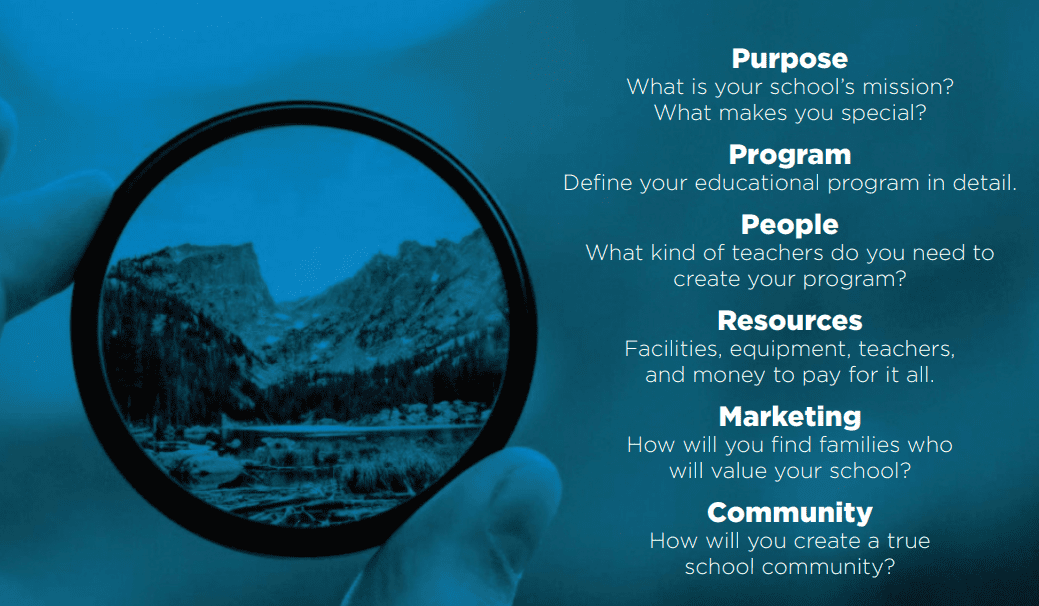
Clarity is the Key to Success. As a Montessori Leader or Head of School, one of the objectives is to help you and your team achieve the clarity needed to build a world-class Montessori School. If you already have clarity on some or all the aspects listed below, that’s great – keep it in mind when engaging with your community. Otherwise, now would be a good time to pause, think about it, and write down some thoughts below.

What you write should not be set in stone; it will grow and evolve as you progress through the material, but it will give you direction. Embarking on any journey, without a clearly defined direction is akin to setting sail without a rudder – you will be at the mercy of wherever the wind blows.

Clarity of vision is such an important topic; in the meantime, it would be beneficial if you start thinking through the following:

Tim Seldin is the President of the Montessori Foundation and Chair of the International Montessori Council. His more than 50 years of experience in Montessori education, includes 22 years as Head of the Barrie School in Silver Spring, MD. Tim was the co-founder of the Institute for Advanced Montessori Studies and the Center for Guided Montessori Studies. He currently serves as the co-Head of the New Gate School in Sarasota, FL. He earned a B.A. in History and Philosophy from Georgetown University; an M.Ed. in Educational Administration and Supervision from The American University; and his Montessori certification from the American Montessori Society. Tim is the author of several books on Montessori Education, including How to Raise An Amazing Child, The Montessori Way with Dr. Paul Epstein; Building a World-Class Montessori School; Finding the Perfect Match – Recruit and Retain Your Ideal Enrollment; Master Teachers – Model Programs; Starting a New Montessori School; Celebrations of Life; The World in the Palm of Her Hand and most recently Montessori for Every Family with Lorna McGrath.

The Repaired Environment: Caring for our Buildings, Grounds and Infrastructure

The Repaired Environment: Caring for our Buildings, Grounds and Infrastructure

Montessori education is a child-centered approach that values the physical and social environment in which learning occurs. Therefore, the management of school facilities plays a critical role in creating positive Montessori learning communities. No matter who is directly responsible for managing your facility, the ultimate responsibility falls on the school leader’s shoulders. So when I read the following statement in the review of Facilities Management: What Really Matters: A Guide To The Human Aspect of Successful Facilities Management by Doug Pearson, it struck me.

“The ideal facility manager must have Aristotle’s logic and Solomon’s wisdom, a priest’s discretion, a gambler’s poker face, a lawyer’s shrewdness and a marketing director’s charm, a gladiator’s guts, a marathon runner’s perseverance and a sprinter’s speed, a leatherneck’s toughness and a dancer’s agility, lots of good luck and 30 hours per day.”

After reading this statement, I began to wonder: How well-equipped are we to understand the needs and tendencies of our buildings, grounds, and infrastructure?

Is this the area we spend the least time understanding and discussing, but it takes up gobs of our time when we least expect it? Are facility crises the bane of our professional existence?

Instead of getting overwhelmed with the heating system or the broken toilets, I reframed my thinking about the buildings, grounds, and infrastructure by intentionally looking at each of these things in light of the bigger picture – how does our attention to buildings, grounds, and infrastructure further our brand, nurture our educational programs, and adhere to our core values? This way of thinking about facilities management has helped me align our weekly walk-throughs, our monthly assessments, and even future thinking with who we are – a Montessori school that behaves in the best interest of our students.

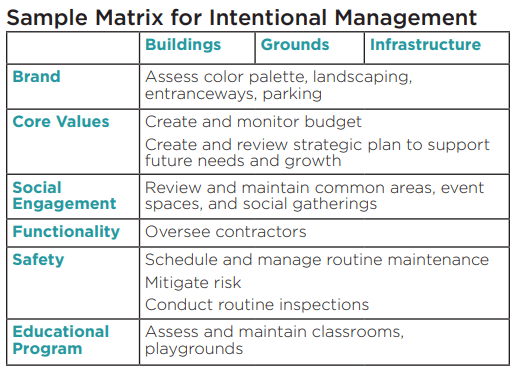
Managing school facilities in a Montessori learning community requires a thoughtful and intentional approach. Using a matrix for intentional facilities management, and a time-oriented checklist, helps organize our attention, identify needs and resources, and strategize our action plan.

When we consider our facilities in alignment with our educational programming, we can find ways to manage the buildings and grounds that promote positive Montessori learning communities. For example,

  1. Create an organized and safe environment: A well-organized and safe learning environment is essential to a positive Montessori learning community. Ensure that the facilities are clean, well-lit, and free from hazards. Labeling shelves, cabinets, and drawers with pictures or words can also help create a sense of order and organization.
  2. Provide opportunities for movement: Movement is a fundamental aspect of Montessori education. Create spaces encouraging children to move freely, such as large open areas, comfortable reading nooks, and cozy corners.
  3. Foster independence: Montessori education emphasizes independence and self-reliance. Create facilities that promote independence, such as child-sized furniture, accessible materials, and low shelves that allow children to easily access learning materials.
  4. Encourage collaboration: Montessori education also emphasizes collaboration and socialization. Provide opportunities for children to work together, such as creating group work and play areas.
  5. Incorporate nature: Nature plays an essential role in Montessori education. Incorporate natural elements into the learning environment, such as plants, natural lighting, and outdoor spaces.
  6. Communicate effectively: Effective communication is critical to managing school facilities in a way that promotes positive Montessori learning communities. Communicate clearly and consistently with parents, teachers, and staff members.

The functionality of our facilities is only as good as the health of the infrastructure. For example, when we manage to support functionality, we can explore these four areas.

  1. Buildings and infrastructure: Ensure that the school buildings and infrastructure are well-maintained, safe, and clean. This can be done by conducting regular inspections, identifying necessary repairs, and addressing them in a timely manner. Additionally, ensure that the buildings are accessible to all students, including those with disabilities.
  2. Janitorial services: Maintaining cleanliness and hygiene is critical to promoting a healthy and safe Montessori learning environment. Hire a professional cleaning service to ensure that the school is cleaned thoroughly on a regular basis, including classrooms, restrooms, and common areas.
  3. Roofing: The school roof is crucial to the building’s infrastructure. Make sure that the roof is well-maintained and that any necessary repairs are addressed promptly. A leaking roof can not only damage the interior of the building but also cause health and safety hazards.
  4. Interior and exterior painting: A fresh coat of paint can transform the look and feel of the school environment. Choose calming and soothing colors, and avoid bright and distracting colors. In addition to the aesthetic benefits, painting can also help protect the building’s surfaces and make them easier to clean.

Anticipate and plan for emergencies. Brainstorm with professionals, families in your school, and others to solicit responses to weather, safety, and disastrous events. When our school was hit by Hurricane Ian and rain was coming through the roof, it was a parent who was able to rally a roofing company to quickly and efficiently tarp our roofs so we could stay open. When we had a termite infestation, our high school biology teacher helped me understand how common termites are in Florida. And when the school’s property got struck by lightning in the middle of the night, it was the alarm company that talked me through the process so I could help the firefighters address the issue quickly.

These experiences, and many more, have taught me to be ready to be a substitute custodian and be prepared to work overtime when emergencies arise to prevent disruptions. Funny to think that the tool bag of a school leader includes a plunger, drill, ladder, flashlight, and most importantly, speed dial to professional support services.

IMC Leadership Series: The Montessori Board

IMC Leadership Series: The Montessori Board

by Tim Seldin & Renee DuChainey-Farkes

In the IMC Leadership Series, we explore different concepts, research, and philosophies of Leadership that would ensure a successful Montessori way.

This two-part series on the Montessori Board covers the concept, operational areas, success factors, and conflicts to avoid.

Part 1: Montessori Board: Concept, Creation & Constituents

What is a Montessori Board?

A Montessori school’s Board of Trustees is the governing body that is officially responsible for overseeing the school’s affairs, policies, and finances. The Board plans, sets major policy, approves the budget, and selects and works through a day-today professional educational leader who leads the school, following the Board’s vision and key decisions.

It governs while the Head of School leads and manages school operations. To govern is sometimes confused with managing.

We believe that Montessori Schools are best served by Montessori Boards that are fully committed to the Montessori Way.

Key Roles of the Board

The Board plays several key roles that are worth repeating. It defines the school’s mission, core values, and strategic priorities. It hires the Head of School, establishes policy, sets tuition, and approves the annual operating budget. Furthermore, it coaches, supports, and evaluates the Head of School and plays an essential role with the Head of School in assessing the school’s programs and operations.

Board members serve as ambassadors and cheerleaders for the school and the Head of School. Ultimately, the Board is responsible for ensuring the school’s long-term financial sustainability and success. The Board needs to be strategic and focused on the school’s future.

Montessori Board and Montessori Philosophy

A Montessori School should be governed by a Montessori Board

Montessori schools have a fundamentally different ethos from other schools, whether they are run on a non-profit or for-profit basis.

We believe that to be faithful to their mission. They should be governed and operated in a way consistent with the principles that are the foundation of Montessori educational practice and the philosophy of interpersonal and organizational life, similar to Montessori classrooms as learning communities.

Montessori Philosophy as it applies to Governance:

  • Every voice can be heard. Kindness, respect, and inclusion exist for all voices on the Board.
  • The Board is a circle of equals. There are no ‘in-groups’ and ‘out-groups.’
  • The Board has a strong sense of community and an ongoing search for consensus.
  • Non-confidential information is shared; confidential information is not.
  • The School usually communicates to its stakeholders with high transparency except where confidentiality is essential. This openness and honesty earn a high level of trust.
  • There is a culture within the Board where members feel safe and accepted.
  • The school seeks a respectful resolution of disagreements.
  • Board members are encouraged to explore their interests and think outside the box.

Types of Boards

There are primarily four main types of Boards seen in Schools:

  1. Board of Directors or an owner or ownership group in a school that is set up as a for-profit business
  2. Board of Trustees in a private and non-profit school
  3. Board of a public charter school
  4. Board of Advisors/Overseers, which is not a Board, as it has no governing authority. (We prefer to call them an Advisory Council for purposes of clarity.)

A Board of a private and non-profit school may call themselves a Board of Directors, but we prefer to call them a Board of Trustees because their purpose is to hold the school “in trust.”

An Advisory Council is a group of individuals that supplement the Board’s skills and abilities to help give input to the organization on issues and ideas. Usually, its members are selected by either the Head of School or the Board of Trustees. An Advisory Council provides input or recommendations to the Head and Board without voting authority.

Although a school that a sole proprietor owns usually doesn’t have a Board, we recommend having some sort of Board of Advisors or Council, so they have support, accountability, outside voices and thinking to support their leadership.

Creation Documents

All Not-for-profit schools are governed by a set of Bylaws for best practice and are guided by the original organizing document, its Articles of Incorporation.

The Articles are the original set of formal documents written and filed with a government body to legally document the creation of the school as a corporation under the laws of a state, provincial, or national government. These documents may also be known as Certificates of Incorporation or Corporate Charters.

They must be very carefully designed. They need to define:

  • What kinds of programs can your school operate (if you might want to run a camp someday, include it, etc.).
  • How many members do you have on your board?
  • Qualifications for board members?
  • Process for board members selection and election?
  • Terms of office of a board member?
  • Powers of the board.
  • Whether or not a board member can be an employee of the school, or whether a board member can also do business with the school, and, if so, whether the board member is allowed to debate or vote on any decision that would affect him/her financially.
  • Percentage of the board needed to carry a motion.
  • How bylaws may be amended.
  • What would happen to the school’s resources if it were to close its doors?
  • Officers and standing committees of the board.
  • Requirements for board meetings.
  • How a trustee could be removed from office.

When writing it for the first time, remember that this is a legal document held perpetually by the government under which your for-profit or nonprofit corporation has been created. Whatever has been written in the Articles is the roadmap that the Board of Directors for a for-profit business or the Board of Trustees for a non-profit school must follow.

Constituting Montessori Board

How to Select the Right Board Trustees?

The process of selecting trustee candidates can be challenging and should be rigorous, formal, and systematic. It is not a popularity contest within a school community but rather a serious commitment. The right trustees will make for a successful Board.

The trustee selection process should be ongoing to continually identify and invite committed candidates to support the Board’s strategic needs.

Trustees do not serve on a board to represent a subgroup of current stakeholders, such as parents, members of the staff, or a particular program. Their responsibility is to remain as calm and open-minded as we can to the big picture. They should make decisions from the perspective of. “What will serve the entire school best over the coming months, years, and decades?”

Trustees’ responsibility is to serve as ambassadors, stewards, and, in some ways, additional spokespeople to the school community in support of the school as a whole and the school leadership.

How to Orient Board Trustees?

Once you have identified new trustees, attention needs to be given to the process of orienting them and overall Board/Trustee development.

We often find that it is a “one-time” meeting at the start of the school year or in the summer. We believe this is often not enough and that most schools could improve and enhance the ongoing development of their entire Board.

As in a school, our teachers are expected to continue to grow and learn through their professional development plans. This holds true also for trustees as they need reinforcement for learning new materials and applying their learning to real-life situations on the Board.

And now, this can be done online as well as in person. We know that in most cases, the roles and responsibilities of new trustees are new for them, and one time is not enough.

How large should a Montessori School’s Board be?

A common mistake among Board members is confusing the Board’s work with the staff.

Generally, we recommend that Boards be made up of between five and seven trustees, serving for terms between three and five years.

More members do not necessarily lead to better decisions or a more effective Board. The work of the Board should be realistic and tied directly to the annual strategic priorities.

Should the Head of School Serve on the Board?

This answer depends on the situation. The Head of School is employed by and reports to the Board, and while they almost always sit on the Board as non-voting members, it might seem illogical to have someone who is an employee of the Board also serve as a full Board member.

On the other hand, many of the strongest schools enjoy a very different relationship with their Head of School.

Instead of the year-to-year employer-employee relationship found in most schools, the Head of School is considered a key employee, a partner, and even a more or less permanent fixture. There are many advantages that these schools share, including a strong sense of leadership, a clearly defined vision, and considerable stability.

In the case where the Head of School is truly a partner with the Board, it is not uncommon to find them serving on the Board as a full member.

At the very least, the Head of School should attend all meetings and be part of all committees except when the Board is discussing his or her effectiveness in confidence.

Should Teachers be Represented on the Board?

Many Boards seem to feel they need to give the faculty at least token representation. There are several problems with this practice. Because the Board is the Head of School’s employer, there is an inherent problem when one of the Head’s employees, a teacher, next simultaneously one of the Head’s superiors as a Trustee. It is often further complicated because trustees in Montessori schools are primarily parents of the school.

From time to time, the Board needs to discuss extremely controversial issues, some of which will affect the faculty or a faculty member. Can the teacher maintain the confidentiality necessary in such situations? Also, if the teacher truly acts as a trustee first and a faculty member second, how will it affect their relationship with the other teachers?

At the same time, we have known teachers who have served very effectively as Trustees, so there is no black-or-white answer. It does represent a conflict of roles and often does not work well.

Should Current Parents be Represented on the Board?

Most Montessori schools have a Board made up primarily of current parents.

We recommend against having current parents represented on the Board or that they are represented in a limited number. Why?

Every school will deal with difficult conversations, decisions, and conflicts within the school community from time to time, often making it very difficult to be a current parent and keep a long-term perspective, especially when these emotional and controversial issues arise, which they will!

Other potential conflicts for present parents include setting tuition and deciding the school’s curriculum or programs.

We recommend that schools look to former parents who were very positively involved, still care about the school, and bring institutional knowledge and experience.

Should Alums be Board Trustees?

If the school is old enough, former students (alums) may also make good members of the Board. The same things need to be considered: Did they contribute positively to the school, do they care enough about it today to invest the time and energy, and do they have the skills and knowledge to contribute to the Board?

In recruiting our Boards, we must give attention to diversity, equity, inclusion, and belonging” when we think about whom we are recruiting to our Boards. We want our Boards (and schools) to represent diverse racial and ethnic backgrounds. It is essential work for our Boards to develop their own Equity Vision.

In Summary

We have seen the context and critical nature of a Montessori Board, its responsibilities, and some answers regarding how to create a Board. In Part II of this article, we will see how the Montessori Board constructed works and the necessary conditions for it to be effective.

Renee DuChainey-Farkes has been a Montessori Head of School (HOS) and Education Leader for 30+ years. She served as founding HOS of Kingsley Montessori in Boston from 1998 until 2018 growing the school from a one room preschool to a 350 student community. In 2018, she devoted a sabbatical year to exploring “Parents as Partners” and visited 65 Montessori schools throughout the world. She is a dedicated advocate for, and driver of, excellence in the educational experience of students and parents.

Renee has served on the American Montessori Society for two terms, with a focus on “Chair of the Head of School” Section and is most comfortable working with Heads of School and their roles. She is a 20+ year Board member of the Montessori Schools of Massachusetts.

Tim Seldin is the President of the Montessori Foundation and Chair of the International Montessori Council. His more than 50 years of experience in Montessori education, includes 22 years as Head of the Barrie School in Silver Spring, MD. Tim was the co-founder of the Institute for Advanced Montessori Studies and the Center for Guided Montessori Studies. He currently serves as the co-Head of the New Gate School in Sarasota, FL. He earned a B.A. in History and Philosophy from Georgetown University; an M.Ed. in Educational Administration and Supervision from The American University; and his Montessori certification from the American Montessori Society. Tim is the author of several books on Montessori Education, including How to Raise An Amazing Child, The Montessori Way with Dr. Paul Epstein; Building a World-Class Montessori School; Finding the Perfect Match – Recruit and Retain Your Ideal Enrollment; Master Teachers – Model Programs; Starting a New Montessori School; Celebrations of Life; The World in the Palm of Her Hand and most recently Montessori for Every Family with Lorna McGrath.

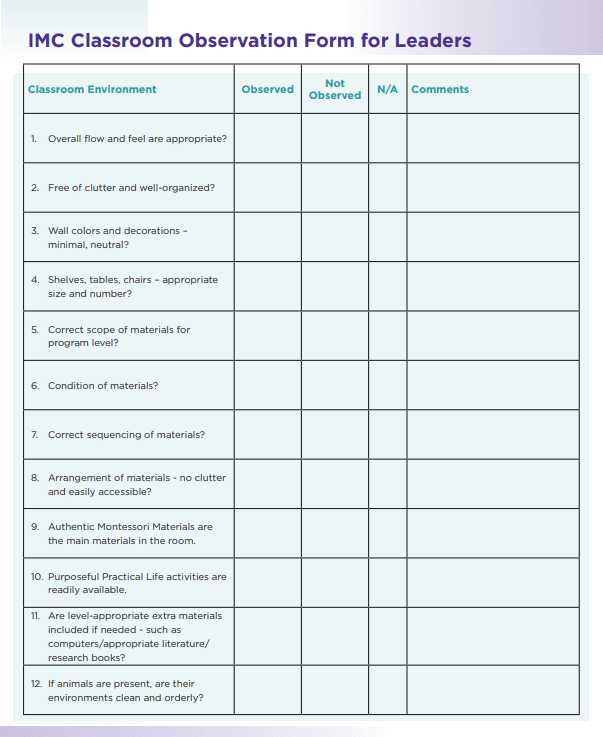
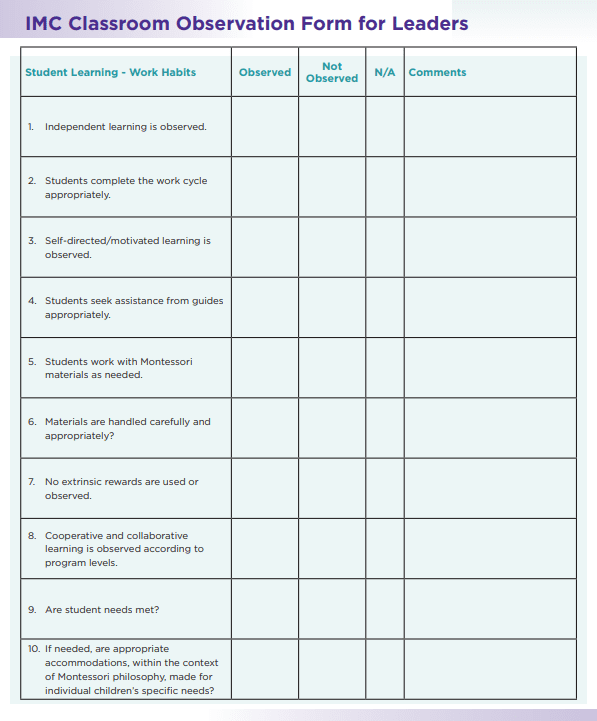
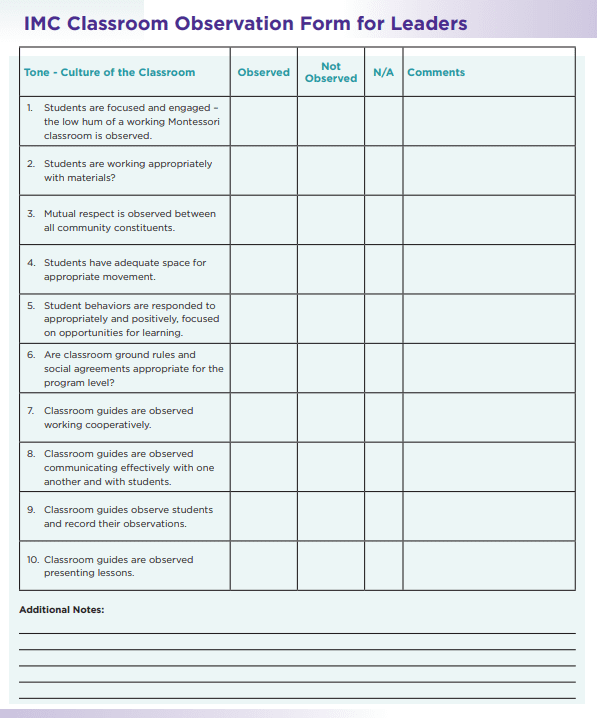
Observation Checklist

Observation Checklist

It would seem as though to know how to observe was very simple and did not need any explanation; perhaps you think it will be sufficient to be in a classroom in a school and to look and see what happens. But to observe is not as simple as that. Any methodical observation which one wishes to make, requires preparation. Observation is one of those many things of which we frequently speak, and of which we form an inexact or false idea. It should be sufficient to consider what occurs in all the sciences which depend upon observation. The observers in the various sciences must have a special preparation. For instance, one who looks through a microscope does not see what exists there unless his eye is prepared. It is not sufficient to have the instrument and to know how to focus it; it is also necessary to have the eye prepared to recognize the objects. Thus we might say in this case that a sensorial preparation is necessary. When Fabre describes his observation of insects, he really gives us a description of his long and patient preparation for observation; and he also describes the virtues and attributes, necessary to acquire in order to be able to observe. He must forget himself, and he must be at the service of the insects. He must rise in the morning at the hour when the insects begin to move. He tells us that he was very fond of smoking and yet he puts away his pipe, for fear that the smell of the smoke might affect their manifestations. Then, should there not also be a preparation in order to observe the child? Perhaps the scarcity of observations made upon children is due to the lack of preparation for such observations.

MACTE Update

MACTE Update

We have wintertime on our minds and are celebrating one of our favorite moments of the year: the annual MACTE Symposium. 2023 was our tenth annual gathering with leaders from educator preparation programs and those working in the field of quality program assurance and advocacy. Speakers covered topics such as educational leadership, current affairs, considerations for creating an inclusive program, equity and accreditation, and more. We had our Table Talk sessions, a time when attendees get to ask questions and reflect on topics of interest with their colleagues. And as always, a highlight of the Symposium is the awards ceremony where we reflect on and honor the dedicated work taking place in Montessori educator preparation programs.

We have also started to plan for a big event in 2026. Yes, 2026! Underway is the work of renewing our recognition by the United States Department of Education (USDE). As we shared in the past, there have been changes to the USDE’s petition requirements, which means we will be responsible for an increased number of exhibits and narratives to demonstrate we are meeting their standards and criteria. Still, we are well-prepared and ready to rise to the challenge. Maintaining recognition from USDE is a rigorous process. In a nutshell, it involves submitting a lengthy petition that demonstrates MACTE meets the USDE’s criteria for being an accrediting agency, having a USDE analyst observe activities such as MACTE board meetings and onsite verification visits, answering clarification questions from USDE during the review of our petition, and finally sitting before the National Advisory Committee on Institutional Quality and Integrity (NACIQI) during their hearing sessions. This process involves years of work, requires sharing what amounts to a small mountain of data, and can sometimes be nerve-wracking (we mean it when we say we understand what our program directors go through to achieve MACTE accreditation!). We do all this work to ensure the quality of TEPs that prepare competent, caring, and qualified Montessori teachers and ultimately benefit our children. For future Montessori educators, having a credential from a program that a USDE-recognized accrediting agency like MACTE accredits is one of several considerations used as a basis for determining eligibility for state licensure. Currently, ten states recognize a credential from a MACTE-accredited teacher education program for licensure. For example, South Carolina has recognized credentials from a MACTE-accredited educator preparation program for over fifteen years. There is still much work ahead of us, and the work by MACTE and other Montessori advocacy groups in moving toward uniform acceptance of a credential from a MACTE-accredited program by state legislatures continues.

At MACTE, we consider it an honor to be engaged in accreditation work, working closely with our MACTErecognized organizations and supporting our programs. Do not hesitate to reach out to the MACTE team at accreditation@macte.org. We love hearing from you! We thank you for the work you do!

NCMPS Update

NCMPS Update

Montessori Leadership

I’m Sara Suchman, the Executive Director of the National Center for Montessori in the Public Sector (NCMPS). I want to thank IMC for offering me a space in Montessori Leadership to share periodic updates on issues central to Montessori public schools and our work here at NCMPS. In this first column, I’d like to share my Montessori origin story and a bit about NCMPS. I’ll use future columns to delve deeper into issues facing public Montessori and the potential and promise of this work.

My introduction to Montessori came in middle school when my mother saved me from the tedium of sage-on-stage teaching and unending homework by enrolling me in an independent Montessori school. I was 13 years old. I was in 8th grade. I had never been exposed to Montessori. The school didn’t accept 13-yearolds. My mother pleaded my case. A year and a half later I graduated, having spent large portions of my short time observing the elementary and primary classrooms and loving what I saw. I loved what I saw, I knew already that I wanted to be a teacher, AND I didn’t give Montessori much more thought until my doctoral studies 30 years later. I was committed to working in public schools, and I, like many people still, didn’t know that Montessori existed outside of private schools.

My graduate studies coincided with the launch of the No Child Left Behind (NCLB) Act. Everyone wanted to reform schools, but all the talk was about doing the same thing bigger and louder. Someone needed to keep substantively different ways of approaching teaching and learning on the table, so I focused my research on how cohesive, coherent, and comprehensive educational models, such as Montessori, balance the competing demands of their unique approaches and the external mandates of NCLB. This research introduced me to Dr. Jackie Cossentino, Jackie brought me into NCMPS, and the rest is history, NCMPS’ history.

In 2011 a wise and visionary Montessori supporter funded the American Montessori Society to answer the question, “Where are all the public Montessori schools, and what do they need?” At that time, no one knew how many public Montessori schools there were, let alone where they were or what they most needed to thrive. That simple question was the genesis of what is now the National Center.

Our first project sought to directly answer the first part of the question–where are all the public Montessori schools? We launched the Montessori Census and began combing databases and mailing lists to reach out to every public school and literally put them on the map (www. montessoricensus.org). If you haven’t seen this map yet, take a look. If your school, public or private, isn’t on the map, claim it! Although we put our ongoing resources behind tracking and updating public schools, the map includes all Montessori schools. This map is one of our most heavily used resources, receiving upwards of 10,000 unique visitors and 36,000 pageviews annually.

We addressed the second part of the question–what do public Montessori schools need? by beginning with a national listening tour to several states and many public Montessori schools. I wish we could have made it to even more! What we heard over and over generally fell into these groups:

  • Comradeship and community

  • Ongoing support for start-up and classroom practice

  • Helpful tools and frameworks for assessment

  • Accessible teacher training

We set about immediately building the team and developing the programming to help schools meet these pressing needs. In future columns, I’ll reflect on how, from these launching points, our work has evolved and become more robust with each passing year and each new school or staff we work and learn with.

One key point that has evolved and is well suited for an introductory column is how NCMPS thinks about and uses the term public Montessori or, alternatively, Montessori in the public sector. What does it mean to specialize in serving public Montessori?

NCMPS works with publicly funded programs such as charter, district, magnet, and Head Start. And, though these are the primary settings for our work, NCMPS’s unique contribution lies not in a governance or funding label but in serving students and families who might not otherwise be able to access a tuition-based program and navigating the accountability systems within which programs that receive public funding operate (curricular, testing, unions, etc.).

Whether you work in such a setting now, are curious about this possibility in the future, or just want to know more about how Montessori thrives, grows, and serves, welcome! I look forward to sharing with you and hearing from you. I am sure we will both learn along the way!

Warmly,

Sara
Sara Suchman
Executive Director
National Center for Montessori in the Public Sector

MPPI Update

MPPI Update

MPPI and BUILD: Broadening Policy for Mixed Delivery: Incorporating Montessori Programs in State Quality Improvement Systems

This past January, after nearly two years of conversations and collaboration, MPPI and the BUILD Initiative co-published a paper providing information and suggestions on how states can accommodate high quality Montessori programs within their Quality Improvement Systems (QIS), Workforce Registries, and Child Care Licensing. “The BUILD Initiative helps state leaders create policies, infrastructure, and connections across agencies and organizations to advance comprehensive, high-quality, and equitable programs, services, and supports for young children, their families, and communities. They help leaders think and act systemically to address disparities and expand their networks to enhance their capacity to take action. BUILD engages in all of these supports in order to help build equitable early childhood systems. “ (BUILD Initiative, n.d.)
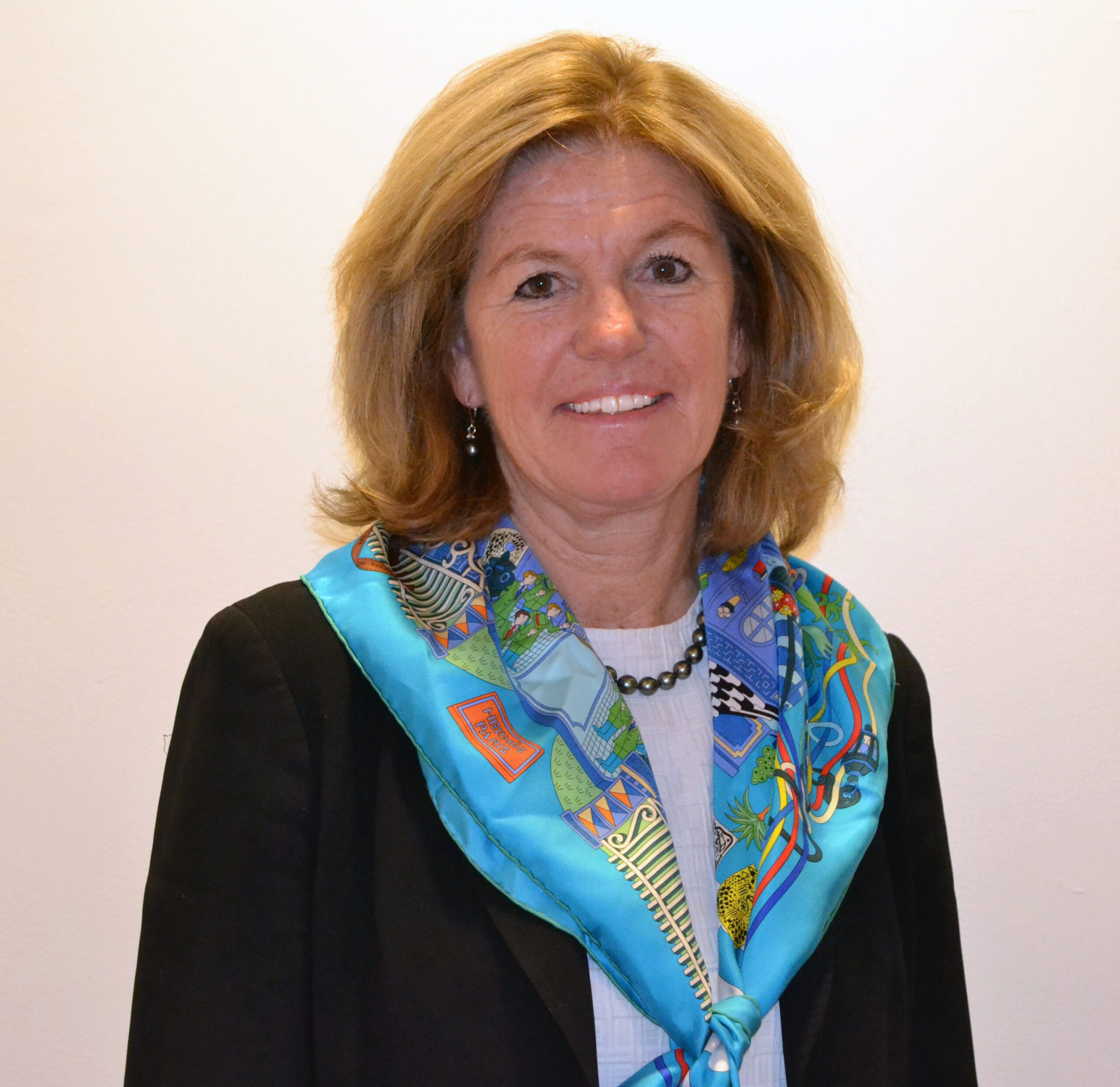
MPPI had established a relationship with BUILD’s Early Care and Education, Quality Improvement Initiatives Director, Deb Mathias, by attending their annual meeting over time, and also invited her as a speaker at our 2018 conference. We intermittently engaged in conversations about challenges Montessori programs faced with state QIS’s which eventually resulted in the proposal of a co-published paper.

MPPI brought the perspective of challenges that Montessori schools face within these state policies and therefore wrote the drafts and collaborated on editing with BUILD and over the course of several more months, Broadening Policy for Mixed Delivery: Incorporating Montessori Programs in State Quality Improvement Systems came to life. Deb brought her extensive knowledge of the broader Early Childhood Education community and a strong sense of what would be easily digestible language for policy makers. The paper was published and accompanied by a webinar hosted by BUILD and moderated by MPPI, with panelists from three states MPPI and our state advocates have worked with extensively to establish Montessori friendly QIS policies. The webinar drew nearly 500 registrants representing 46 states and has since been watched by many more. MPPI and our state advocacy leads have engaged in many productive conversations since the release of the paper and webinar.

Check out the recording of the webinar here.