Quite often, we don’t give teachers the credit they deserve. I mean, first of all, they spend all day with kids—something that would drive most of us mad. But beyond that, they do so much more. Not only do they teach our children, they spend more time with our children than we (parents) do; they are trusted with caring for their well-being: socially, mentally, and physically. They are mothers, fathers, brothers, sisters, friends, and counselors to our children. While this may seem like enough of a job in itself, they also have to squeeze in some teaching along the way.
Here’s ten things all great teachers do:
1. First, they know every child’s name, not just in their class, but in the entire school, they say, “Hello,” to every child they meet and always engage in conversation where possible. “How are you? Did you watch the game? How’s your dad? You look cool today!”
2. They talk to children like adults. They reason with them and make them understand that, yes, there are rules and expectations in school and this is why, “You can’t run in the classroom, not because I said so, but because you might trip, fall into a sharp pencil, and stab yourself, and because I care for you so much that I don’t want you to get hurt.”
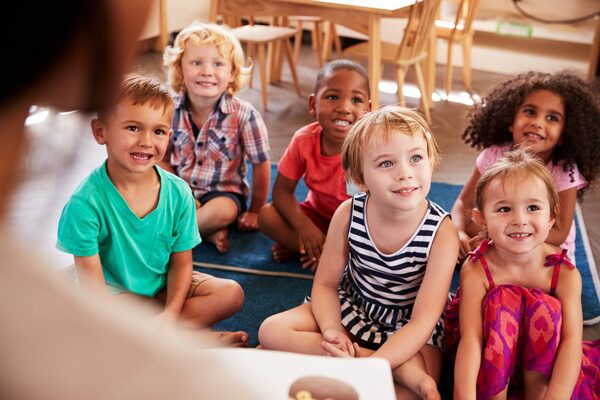 3. They allow children to ask questions and investigate, and they don’t pretend to know everything. “So that sums up our study of the human heart, class!” said Mr Johnson.
“Sir, why do heart attacks occur?”
“Actually I don’t know, but how about you go and find out and tell us all next week!”
This instills a sense of reality, responsibility, and pride as the children get to provide feedback to the group. Allow them to be the teacher; allow them to be the expert in the field.
4. They make things real. If you’re teaching Pythagoras, and a child asks why we have to learn it, you’ve got an answer. If you’re teaching expository writing, you allow the children to write an actual letter to a real person, persuading them to do something. Teachers make learning purposeful and real.
5. They practice what they preach. If you tell your class to be on time, dress smart, show respect, keep their voice down, and show kindness and gratitude—well, you better be doing that yourself. Children are very observant, and they will quickly call you out on it. The the old saying, “Do as I say, not as I do,” is just not good enough.
6. They tell stories. They tell their class about what they’ve been up to, how their evening was, and what they’ve got planned. Children like to know that teachers are human. They like to know that teachers don’t live in the art cupboard and that they do normal human things, like shopping, watching movies, and even understanding feelings like that time a student felt down or lonely. Teachers are human beings; let the students know.
7. Teachers trust their students. Teachers explain to the children that the classroom is an extension of their home, and they should feel safe there. “I’m going to leave my wallet on my table and my cell phone on my desk, I trust you won’t touch them, because you trust that when you need me, I’ll be there for you.” Mutual respect equals mutual trust, and if and when that trust is broken, it will be a huge learning curve.
8. They tell children that they matter, and so do their opinions. An opinion box on your desk, where children can leave anonymous changes they’d like to see in the classroom, is a great idea; a daily reflection card, allowing children to express what they liked and didn’t like about that day is a great idea. Great teachers ask the class to anonymously review their teaching. Teachers might think they’re the greatest, coolest teacher in the world, but how do you know if they’re never evaluated by the very people who look at them all day?
9. They share ideas with the wider community. A great teacher doesn’t create materials and keep them a secret so they look better than everyone else. They think of education as a whole, a world vision, a change for the future of mankind and, with that, great teachers share great ideas and great resources. If they discover that something works, they shout it from the top of the highest mountain and throw samples from airplanes high in the sky so that everyone gets a copy. Good ideas change lives.
10. This is the most important one of all, and it is one that we only find very rarely. Great teachers don’t teach; they inspire. They don’t say, “This is how you do it; now go do it.” They don’t say, “Here’s the equation; now solve it.” They don’t say, “This is what it looks like; now copy it.” They say, “How do you think you do it? Please tell me!” They say “Can you find the equation? Please test it!” They say, “What do you think it looks like? Go find out!” If you know a teacher who does any of the above, please share this article with them or any teachers who might like these ideas.