
Entertain My Children
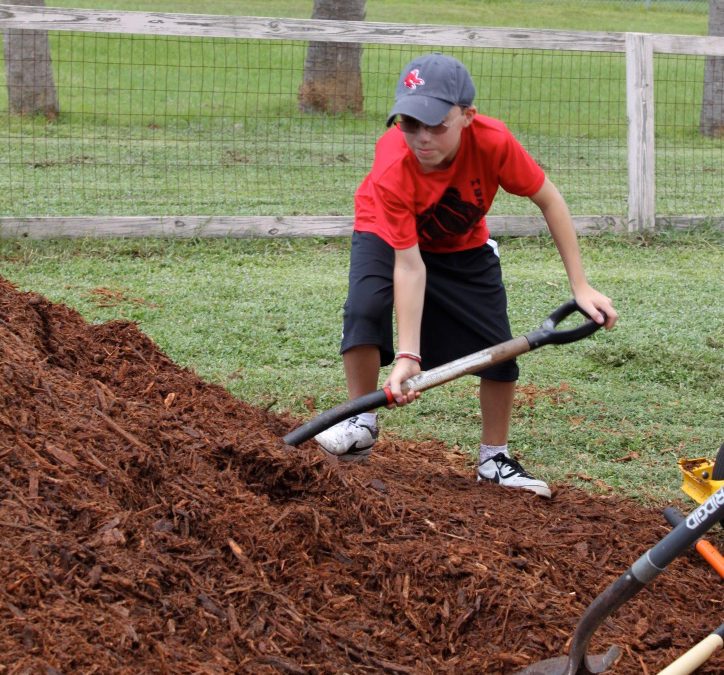
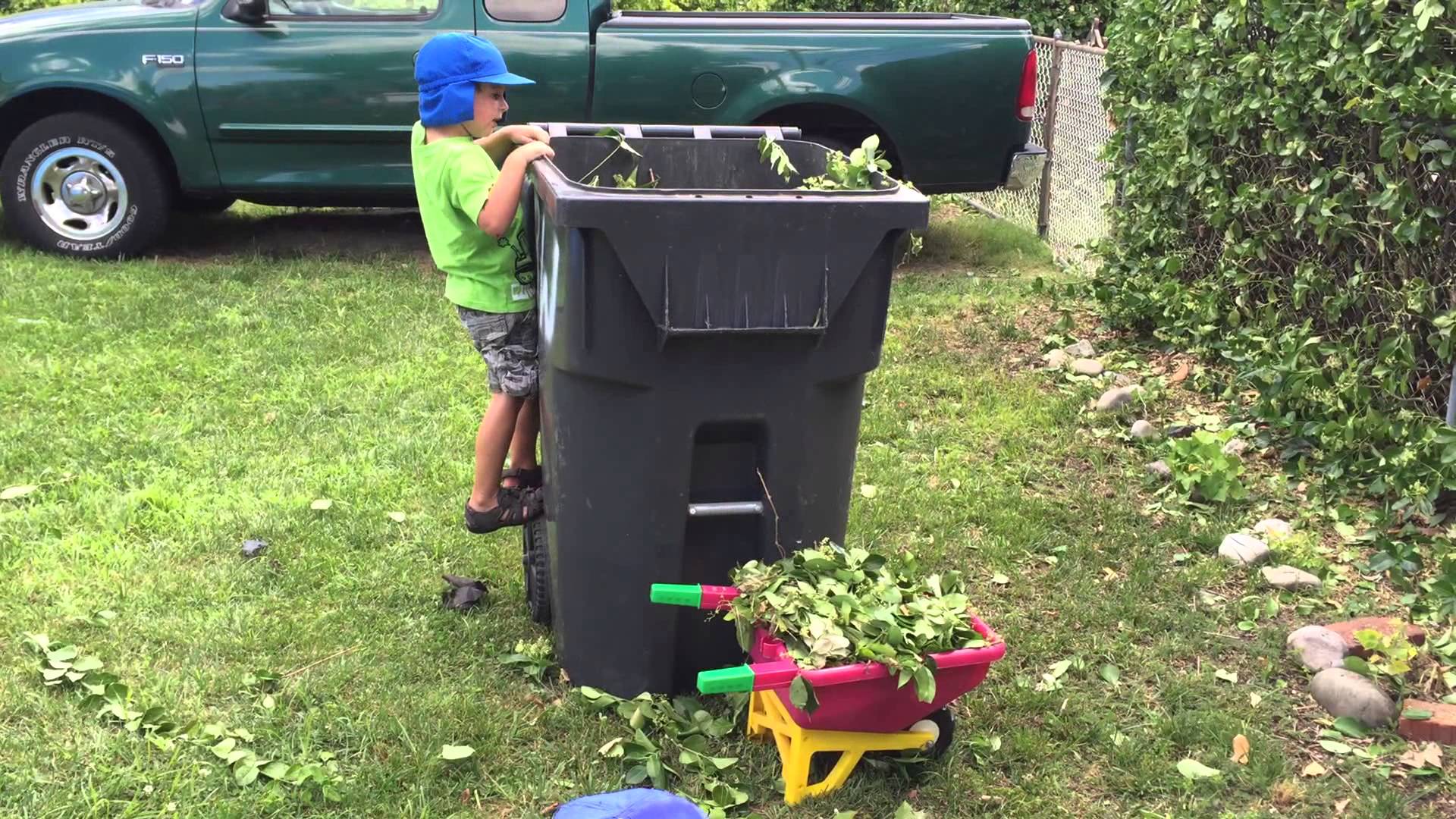
I‘ve learned that I don’t need to entertain my children,” said the mother.“If I just let them work–give them real opportunities to participate in the life of the family–to set the table, load the dishwasher, sort the socks–then they are happier and more settled. It was amazing,” she said to her older child’s teacher, “to watch the two boys unload the dishwasher. The three-year-old couldn’t reach the silverware drawer so he would take the knives and forks and spoons out of the basket and hand them to his five-year-old brother who put them away in the drawer. I’ve never seen them play together so well before–and this was work, not play. You’ve been telling me this for three years but I just didn’t get it. I’m beginning to understand what you’re talking about and it’s changing our lives.”
The brothers’ two teachers both reported to me this story at the end of parent conference day. They were so elated because a new connection had been forged, the golden spike had been driven in to open the transcontinental railroad. We aspire to work in partnership with you, the parents, and that means much more than asking you to help your children practice reading or memorize math facts. The teachers were pleased because one more parent experienced a personal epiphany, understanding the concrete, pedestrian reality of applying Montessori principles at home in the life of her family.
I was pleased because that partnership involves dialog; we need to listen to each other as you work at home and we work at school to serve your child. That these two conversations took place on conference day last week shows that process succeeding.
A week earlier, a parent with elementary children said, “I was so disappointed when the school eliminated catered lunches for children this year. It was so convenient for me, and my children actually liked the food. I read what the school said about the benefits to the children in helping with the whole lunch process but I was skeptical. It has been amazing to see how responsible they are in making their lunches the night before and how empowered they feel to help plan the menus, shop for groceries and prepare the food. It has added a very positive dimension to their lives–to all our life as a family.”
“Now I need help,” she said to the group assembled for the Wednesday morning “Montessori Talks to Parents” meeting. “How can we get out the door in the morning so we can get to school on time?”
This was another sort of dialog. Kathy Long and I were there with a mix of parents whose children ranged in age from infant to adolescent. The topic for the day was “Montessori in the home” and each person contributed to the conversation based on their personal experience. In response to the problem of getting out the door in the morning, someone recommended asking the children in a family meeting to make their own suggestions. I don’t know what their ideas were, but I do see them getting to school earlier, so something is working.
All of this reminds me of the questions I asked the men’s business breakfast several weeks ago. “How many of you identify yourselves as entrepreneurs?” All hands shot up. “How many of you learned that in school?” Not one hand was raised.
How does one learn to be an entrepreneur? How does one learn to be a self-starter? By learning that you are capable, that you can work, that you can contribute to the family and to the classroom community and, when you get a little older, to the community outside of school. By learning to make choices, to initiate activity, to shape your own learning, to make an impact on your physical and social environment, to find your joy.
Can putting away clean forks contribute to this growth? Does making your own lunch contribute to the formation of character? You betcha!
Montessori quoted the poet Wordsworth in saying, “The child is father to the man (and, I might add, mother to the woman).” She understood that these experiences mean more than their explicit content. We serve the child not by being his servant, not by making him his own lunch and delivering it to him just in time, for in so doing we enslave him to our help and keep him in an artificially extended period of dependence. We serve the child by helping him to help himself–not because we wish to rush him prematurely to physical independence from us, but because we know that the child gains a sense of dignity and power from his developing skills and from our confidence in him. That sense of dignity and power, and the well-developed skills themselves mark Montessori children as different. And more than any other system of education, Montessori is a training school for entrepreneurs.