
Recycling in the 21st Century
Reduce, reuse, recycle is a common theme in a Montessori classroom. We teach the different categories of recyclable materials and have students sort paper, plastic, and metal. We use real cutlery and plates over plastic and paper products. We encourage students to bring reusable water bottles and discuss with them the environmental impact of plastic water bottles. We talk about care for the environment and take walks to pick up trash around our campus. We have our students recycle cardboard and plastic at school, and we encourage parents to recycle at home with their children.
Something that is not often discussed is how we should be dealing with a new, and growing, type of waste: electronics. As guides, many of us are grappling with the increasing presence of technology in our classrooms. Elementary students now come to school with cell phones. Young adolescents are learning how to navigate their digital lives. Something that is often overlooked is how we can engage our students in a meaningful discussion of how those electronic devices are produced, their impact on the environment, and what happens to those devices when they are no longer being used.
It is not easy to apply “Reduce, Reuse, Recycle” to our technological lives. If your household is like mine, there is likely a plethora of unused cell phones or maybe a laptop or tablet collecting dust in a closet. The average American replaces their cell phone approximately once every two years and replaces their laptop approximately every three and a half years. That is about 125 million new cell phones and 90 million new laptops being purchased each year.
What happens to these devices we are replacing? We all know we can’t throw those items into a landfill, so we end up holding onto them. Although there are recycling bins for paper products and plastics in both schools and at home, there is not yet a convenient way to recycle the growing amount of electronic items we are all accumulating. As our students are growing up in an increasingly technological world, we should be beginning a conversation with them about the kind of impact those items have on the planet, the same way we talk with them about how to manage paper and plastics.
One way to begin this conversation is to start an electronics recycling program at school. Today it can be surprisingly easy. One option is to start a program through MyWay2Give. There is no cost to participate, and they accept a multitude of electronic items that will be refurbished, reused, or responsibly recycled. Common items like smartphones, laptops, and tablets can all be recycled, as well as game consoles, controllers, video game disks, and peripheral items such as keyboards. The program also acts as a fundraiser, because any electronics that are able to be successfully refurbished or sold for parts earns money for the school. This is a program that can serve several purposes.
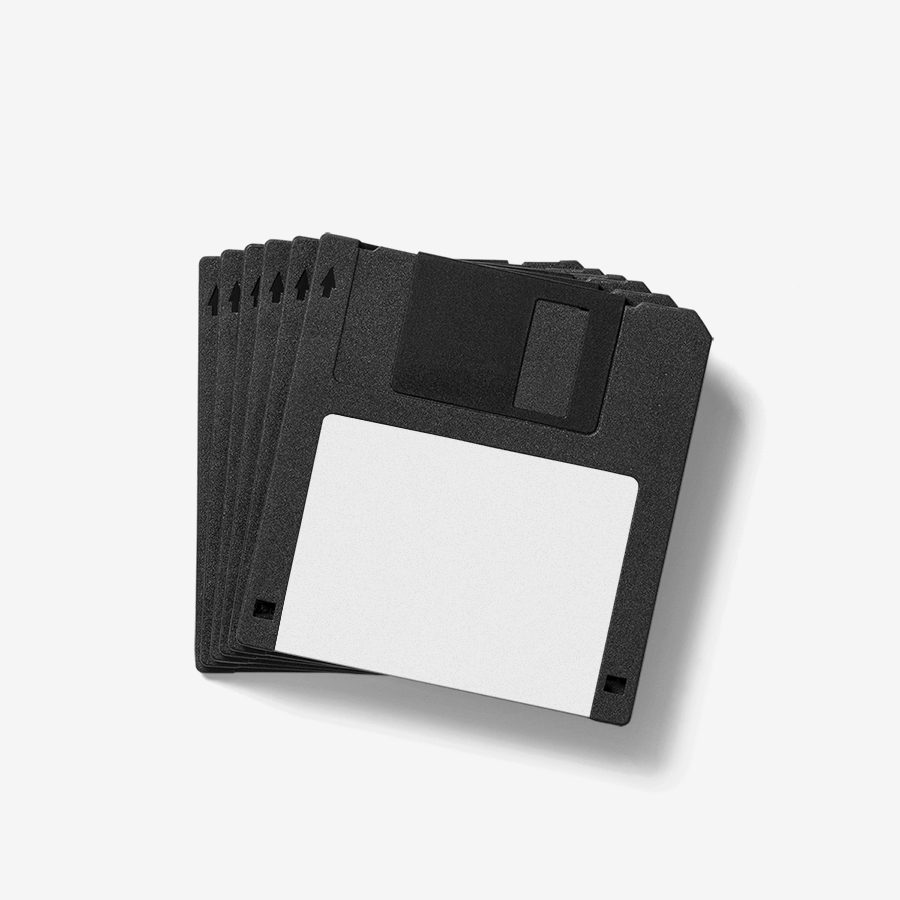 Students can easily manage the program, as all that needs to be done is to pack up a box (or boxes) of the electronics collected, print out and tape on a shipping label. The packaging material does not have to be anything special. Reuse any old box and reuse packaging material or recycled paper. Students can wrap up their electronics in the recycled paper, gently pack the box so the items don’t slide around in transit, and then ship the box on its way. This could become a care-of-environment task for your students, the way students may sort other recycling bins at school. Signing up to start your own electronics recycling program is as simple as visiting www.MyWay2Give.com.
As students, parents, and guides continue to learn how to navigate this new technological frontier, it is important for us to also acknowledge its impact on the environment. Starting an electronics recycling program can help students add a new facet to their relationship with those devices by understanding what went into their production and our responsibility to the environment to do something sustainable with them. It is also a service we can provide our families, friends, and neighbors by giving the community a simple, convenient way to recycle their electronics, benefiting both the environment and their school. ν
Lydia Dumais, M.S. teaches middle and high school science. She is also an International Baccalaureate Diploma Program Instructor. This is Lydia’s 5th year at NewGate. She graduated from New College of Florida, with a double major in Biology and History and an M.S. in Biology from Clemson University. She presented academic papers at the Florida Historians Conference and New Scholars. Part of her undergraduate research included working with wild sea turtles in Costa Rica as part of international conservation efforts. As a life-long learner and having earned the IB Diploma in high school, she brings enthusiasm, hands-on learning, and a spirit of keen intellectual inquiry to the secondary program. In her spare time, she works on conservation projects, including working with leatherback sea turtles, gopher tortoises, and wetlands water quality monitoring.
Tomorrow’s Child/ September 2018/pg 16