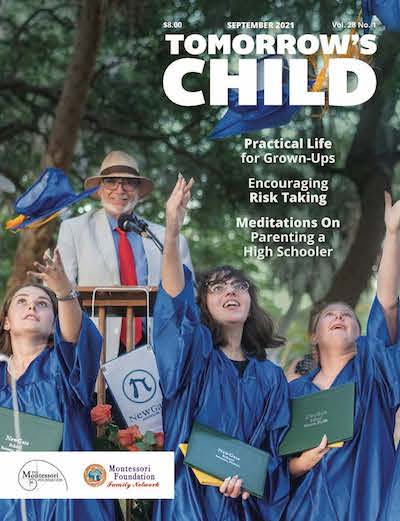
Tomorrow’s Child Magazine September 2021
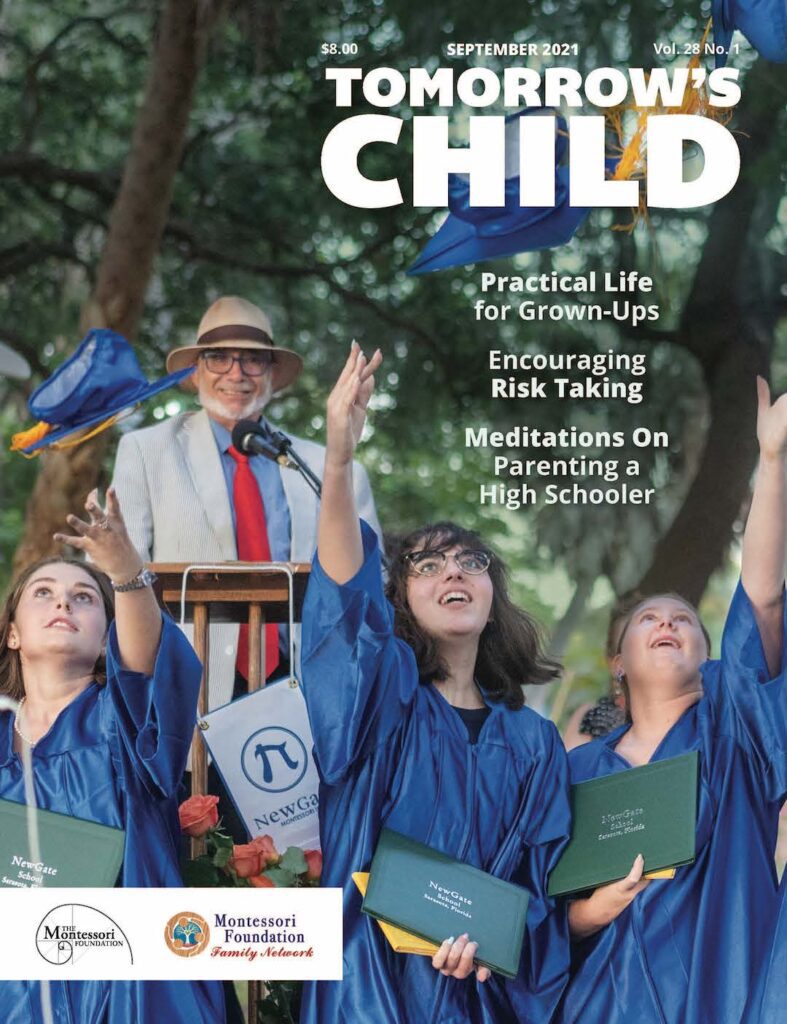
This issue of Tomorrow’s Child includes the text of a wonderful graduation speech (Practical Life for Grown-Ups) given at a Montessori high school commencement, an essay about encouraging children to make wise choices about risks, teaching older children grace and courtesy, what to look for in a great Montessori school, helping children as they learn to read, 10 things your child’s Montessori teacher wants you to know, and so much more.
Click here to see the complete issue as it appears in print.
Click here to read our mobile-friendly digital edition.

Tomorrow’s Child | Welcome | May 2021

This issue of Tomorrow’s Child addresses The Crucial Reasons Why Schools Should Teach Entrepreneurship, The Wonder of Woodworking, and Why Montessori Schools Succeed in Times of Crisis. We also share information about Covid as a Story and so much more.
Click here to see complete issue as it appears in print.
Additionally, with our last issue, we launched a new mobile-friendly platform for viewing the digital edition. You can find that new platform here.
Return to Table of Contents
Tomorrow’s Child – May 2021 Digital Issue
Why Schools Fundraise
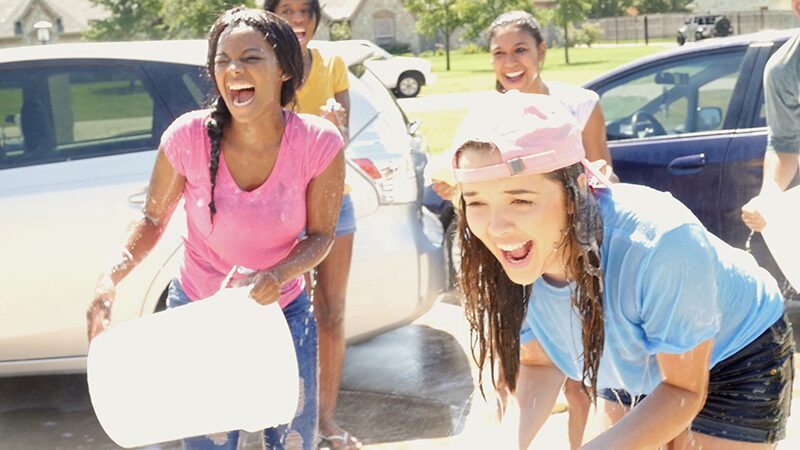
Bake sales, special events, art auctions, annual funds, capital campaigns, endowments… It sometimes seems like the nonprofits in our lives are constantly asking us to give. Even if your children attend a local public or charter school, it’s likely that fundraising through the parents’ association goes on year after year. Why?
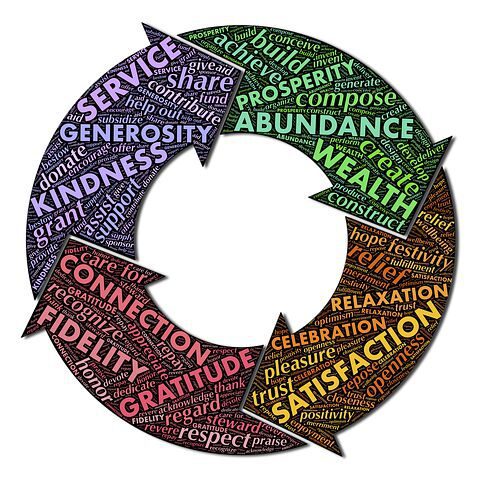
Philanthropy – literally
a “love of one’s fellow human beings.”
You may find this particularly galling if you send your children to a private school, and you are already paying a not inconsiderable tuition every year.
“So, tell me again why most schools ask parents to make donations of time, money, or something tangible like an old car or maybe some stocks when we’ve already paid our tuition or taxes?”
It’s a fair question. We are often asked why schools don’t simply make do with what they bring in from tuition or government funding? Or, in the case of private schools, why don’t they simply raise the price of tuition?
The answer is fairly straightforward. In many cases, unless the government offers funding that supports children’s tuition, most schools can’t set a tuition that’s high enough to cover all of the schools operating expenses, while also set money aside in reserve for emergencies and major capital investments.
Education is expensive, and most independent schools want to attract as diverse a community of learners as possible. This is why so many colleges and schools of all sorts create a financial-aid program, setting aside some of the funds that come in to provide scholarships or financial aid to families who, otherwise, could not afford to enroll their children.
Fundraising is an essential element for almost every public and private school. It’s a rare situation where government funding is adequate to cover all the programs that school parents might want for their children. As a result, parent-teacher associations have historically raised money year after year.
Non-public schools are independent of the government, leaving them dependent on tuition, gifts, and grants.
This is especially true when schools need to make a major purchase, such as a new facility, an expansion, or a major repair. These (often unexpected) expenses usually can’t be covered by most schools’ operating budgets.
So, in countries like the United States, where there has been a tradition of support for independent or faith-based non-public schools, families (along with extended family and friends) are asked to help the school accomplish important goals.
Fundraising is probably easiest to understand when the entire school community recognizes the need to buy a new building or expand what they have; however, it’s not always obvious why the same school would run a fundraising campaign every year.
The answer is fairly simple.
In much of the world, gifts made to non profit charitable organizations, such as a non profit school, may be deducted from corporate or personal income tax. This can have significant advantages to the donor. One member of a board would often propose that we should have school tuition set at $10 a year and ask everyone to make a “gift” of $10,000 to $20,000. At first glance, it sounds appealing, because a tax deduction means a true saving on taxes paid and may even lower the donor’s tax bracket. Many people prefer the ability to designate some of their tax dollars to a worthy cause of their own choosing.
However, gifts must be made voluntarily. If a nonprofit school required parents to make a donation in order to send their children to school, their “gift” is unlikely to be considered tax-deductible.
So, whether your children attend a private school or one that is publicly funded, you are likely to be asked to support their fundraising efforts. Montessori schools are no exception.
The relationship between fundraising and independent schools is complex.
Giving takes many forms. Whether a gift takes the form of a monetary contribution, a gift of stock, or the giving of one’s time and talent (usually not tax deductible), the act of giving is an important demonstration of
support and recognition for the ideals, philosophy, and goals we all share for our children.
Fundraising should not feel like arm twisting. It should be a kind invitation to join with other families, grandparents, faculty, and friends of the school to achieve a specific goal. Wise schools cultivate a culture of community, caring, and support. They encourage their stakeholders to consider their ties to the school and discover the many ways people share the gifts of time, talents, experience, wisdom and financial support with the enduring institution called the School.
Gifts to Montessori schools are an important source of revenue not only to accomplish
the school’s present goals but to provide the type of ongoing support that enables it to remain on the cutting edge and remain true to its mission.
Because of the support of faculty, families, and alumni, Montessori schools become strong and stable; and it is the responsibility of all who love a particular school to maintain this strength by responding generously when they are asked to give. ′
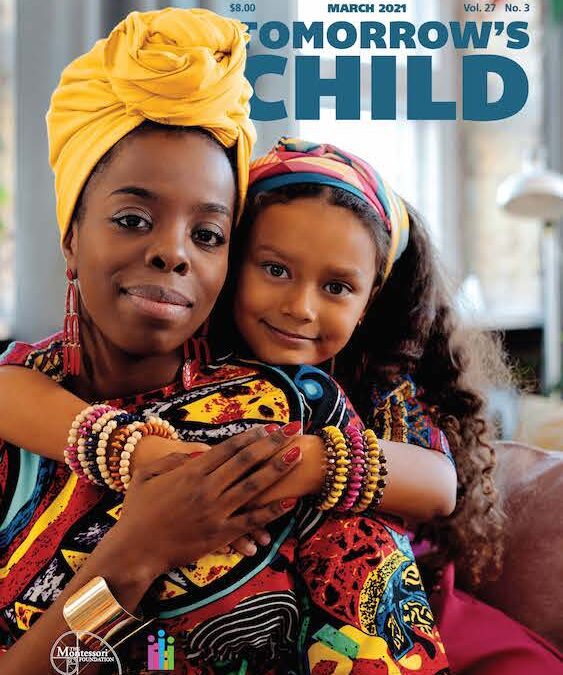
Tomorrow’s Child – March 2021 Digital Issue
Tomorrow’s Child – March 2021 Digital Issue

Tomorrow’s Child | January 2021
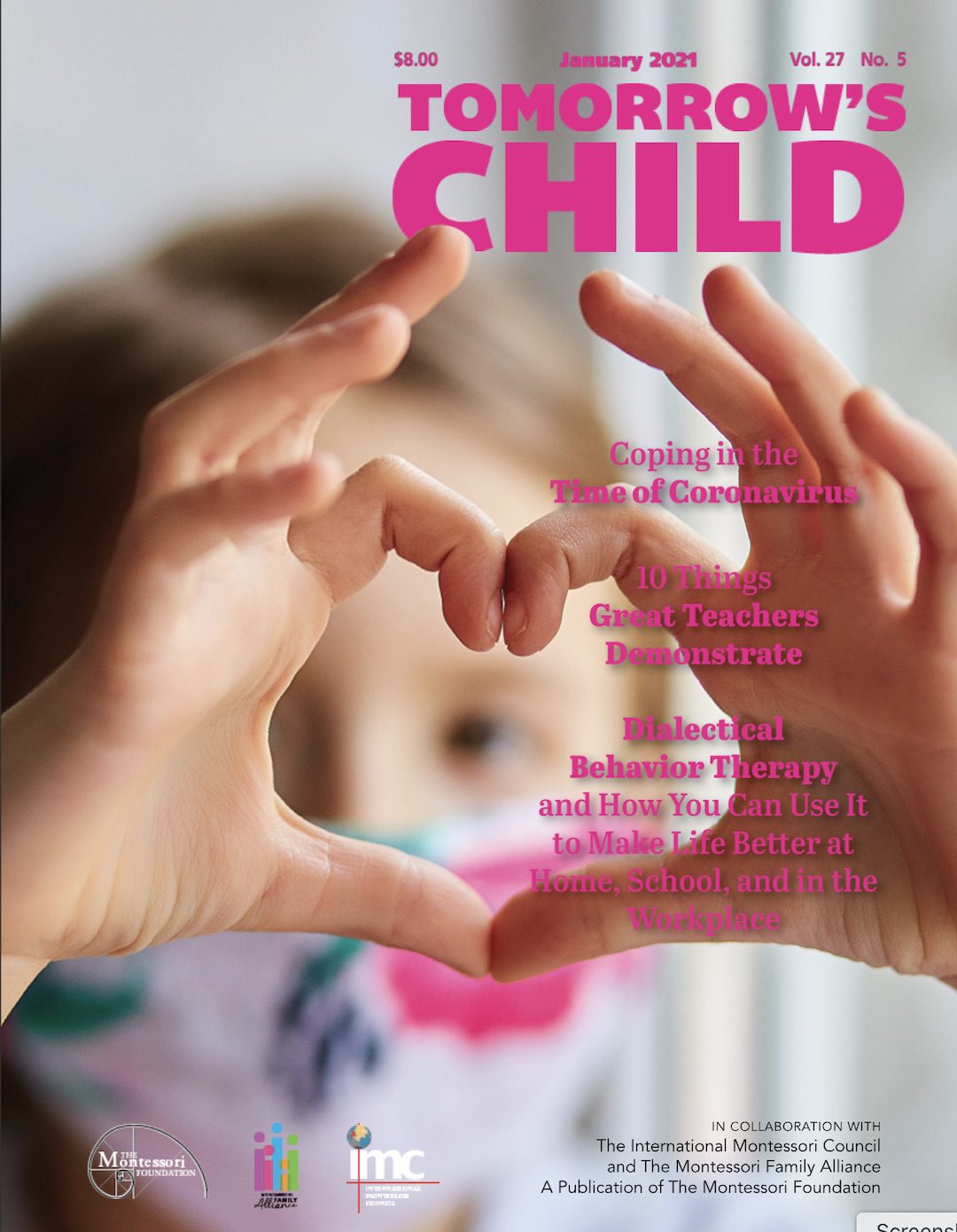
This issue of Tomorrow’s Child addresses coping as a human and a parent in the time of the coronavirus. We talk about 10 things that great teachers demonstrate, and explore Dialectical Behavior Therapy and the positive impact it can have on all aspects of life.
Additionally, with this issue we launch a new mobile-friendly platform for viewing the digital edition. You can find that new platform here.
If you prefer the flipbook PDF, simply click the cover image. We will continue to offer both options.
Tomorrow’s Child | October 2020
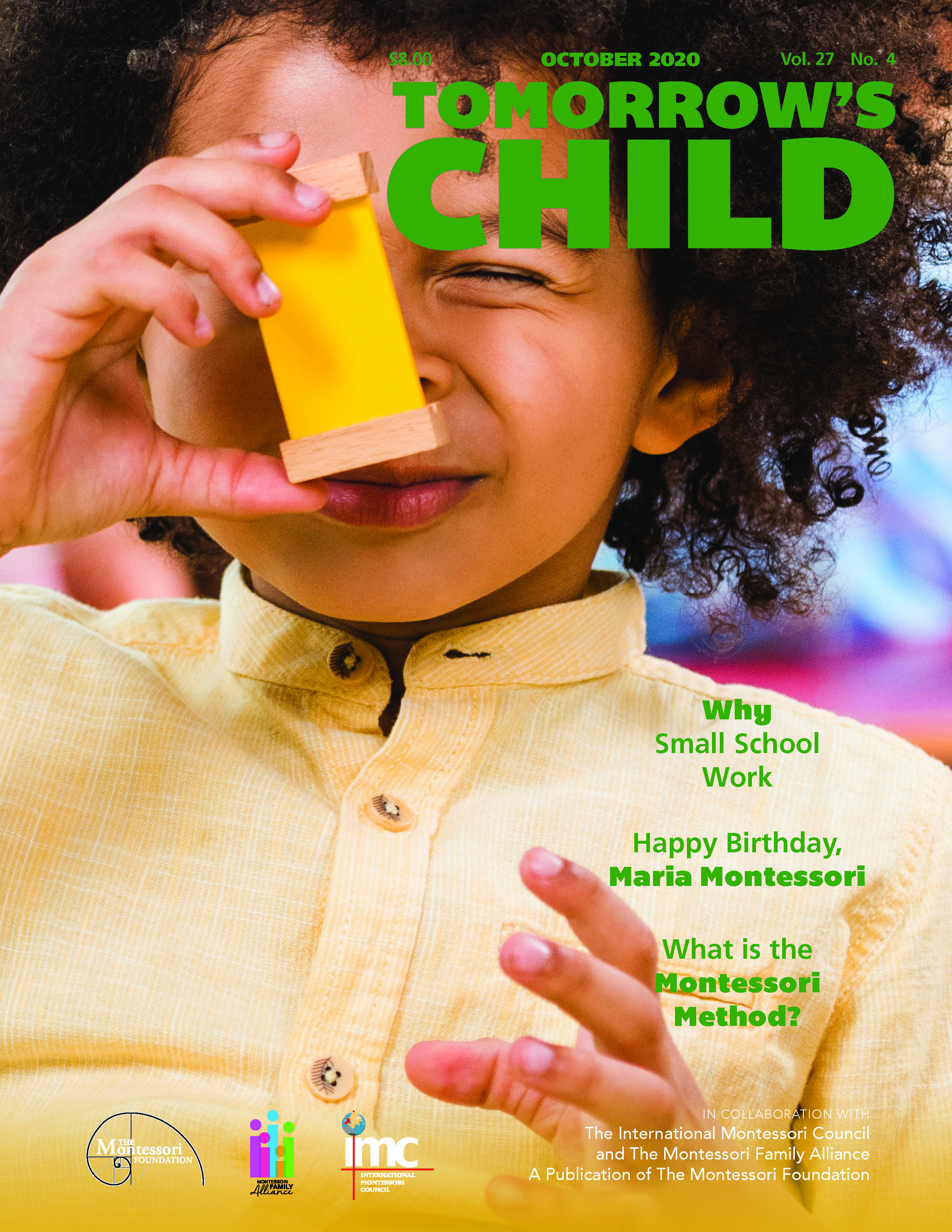
The October 2020 issue of Tomorrow’s Child contains a plethora of helpful articles. It explores why small schools work, celebrates Maria Montessori’s 150th birthday, and explains the Montessori method in detail.

Helping Parents Help Themselves
The Montessori Foundation, in cooperation with a collaborative set up in mid-March, of this year, is striving to help parents figure out ways to deal with the new reality of Covid 19.
For many, you are working from home for the first time. How do you manage your time and energy when the children are home and they, too, are trying to do school work in a remote way you all never imagined would become the rule of the day? Not to mention that you may be competing with your children for internet access!
Jonathan Wolff, Montessori Foundation Senior Consultant, was the presenter at a parent zoom meeting. His topic was, “Sharing Words of Love, Empathy, and Encouragement with Children in Unsettling Times.” Along with Lorna McGrath (Director of the Montessori Family Alliance) and Christine Lowry (Special Education Specialist and another of the Foundation’s Senior Consultants), they shared an array of coping strategies.
For those who did not participate, we have a recap of the suggestions we hope you will find helpful.
1. Get in Touch with your own feelings. If you’ve ever flown on a plane, the famous line the crew gives to you when demonstrating the proper steps to using those oxygen masks should be popping into your head about now. Place your own mask on first, and then you can help others. It’s not being selfish, it’s being proactive. In a way, we are all grieving. We are grieving for the loss of the lives we aren’t getting to live right now and we are, perhaps, grieving for a loved one struck down by this virus. Some of us have lost jobs and income and we are grieving that loss. These are all real and valid feelings to acknowledge and should not be diminished or thought of as being selfish. Right now, you need to make sure that your physical, emotional, and spiritual needs are being met if even on a small level.
2. Check in with your children regarding their thoughts and feelings before you see any behavioral issues manifesting. By observing any changes in their behavior or attitudes, you can greatly aid in keeping them calm and feeling safe. Depending on the age of the child(ren), you might notice they have reverted to bed wetting or having accidents during the day, acting out, having nightmares, not eating, or generally being clingy. Try to manage this before you are in the ‘reacting’ phase of handling it.
3. Respond with empathy and no judgement before offering a solution. “How are you feeling about …?” “What do you think about the online learning you have to be doing now?” Probe them gently, but respect the boundary if they don’t feel like sharing when you are asking. Let them know you are there for them if and when they are ready.
The last thing you want an already anxious child to experience is a freaked-out mom or dad. That’s a lot for a child to process. Sometimes less is more with very young children.
4. Sharing your fears. You can be honest with your child; however, children have an uncanny ability to pick up on parental fears. The last thing you want an already anxious child to experience is a freaked-out mom or dad. That’s a lot for a child to process. Sometimes less is more with very young children. Regardless of children’s age or emotional maturity, children need to feel loved and reassured that you are going to keep them safe. You might explain that we are all in this together, and it’s OK that we feel this way.
5. What if you just end up losing it yourself in front of them? Jon recommends you “reboot” yourself as soon as you possibly can, assure them they are loved by you, and you are feeling better now. This is nothing they have done and you aren’t angry with them. One parent gave us a wonderful suggestion, and we’ve all decided to adopt it as well. Tell your child(ren) you need a TIME IN. Time out can really sound and be a negative if it’s not practiced in a very careful way; so when you say, “I need a time in to just give myself a few moments,” the children in your home will be more empathetic back to you.
6. Make certain that if you have a partner who shares the responsibility of the child(ren) that you speak with one voice. Discuss privately and before talking to the children, how you will handle certain situations. You need to provide a unified front when they might be trying to pit you against each other.
7. Do not be afraid to seek outside professional help, if you feel that you are all operating in crisis mode. With remote telemedical delivery available in many states, you may be able to get the counseling you and your partner need. It’s been speculated that the divorce rate in China has skyrocketed by spouses who could not get along during the weeks of isolation. Know that there will be pitfalls, highs and lows, patience wearing thinner as the period of stay in or stay-home-orders get longer than we might have been prepared to accept at the beginning of all of this.
8. PLEASE, limit the amount of media you view during the day when they could be listening in. While it’s important you keep yourselves well informed, it can really impact young children. Set periodic updates on your devices from trusted news sources if you can. Then watch after they are in bed for the night.
9. Limit online games that are based on ‘the zombie apocalypse’ or are very isolating. This will serve no good purpose. Involve the children in family time. Use this time to really connect with your children. It will make you all appreciate each other more and that’s a good outcome for all.

Favorite Books for All Ages
Editorial note: Lorna McGrath is the Montessori Foundation’s Montessori Family Alliance Director. We asked her to compile a list of her favorite books, by age grouping for parents to read with their children, have their children read for themselves, and for parents to enjoy. Some libraries may have a selection available in digital format. Happy reading.
Adults
The Montessori Toddler, Simone Davis
Raising Lions, Joe Newman
The Emotionally Healthy Child, Maureen Healy
Nurturing the Soul of the Family, Renée Peterson Trudeau
Redirecting Children’s Behavior, Kathryn Kvols
Camp Granny: 130 Green Projects, Sharon Lovejoy (doesn’t matter if you’re a Grannie)
Mr. Penumbra’s 24-hour Bookstore, Robin Sloan
Toddlers
Something Very Sad Happened, Bonnie Zucker
Henry Helps series, Beth Bracken
Making Faces, Abrams Appleseed, New York
The Indistructables series
Primary
Always Remember, Cece Meng
Beach Walk, Backpack Explorer series, Storey Publishing
The Thank You Book, Mary Lyn Ray
Before We Eat: from Farm to Table, Pat Brisson
The Name Jar, Yangsook Choi
All in One Day, Mike Huber
Elementary
Make Music! Norma Jean Haynes, Ann Sayre Wiseman, John Langstaff
Hatching the Cosmic Egg, Michael Dorer
The Memory Box, Joanna Rowland
Maybe I Can Love My Neighbors, Jennifer Grant (primary, too)
Gittle’s Journey: an Ellis Island Story, Lesléa Newman
Of Thee I Sing: A Letter to My Daughters, Barack Obama
She Persisted, Chelsea Clinton
Fantastic Forts, Jo Schofield & Fiona Danks (primary, too)
Adolescents
Between Shades of Gray, Ruta Sepetys
The House in Poplar Woods, K.E. Ormsbee
Literally, Lucy Keating
The Sweetness at the Bottom of the Pie, Alan Brady
It’s a Book, Lane Smith
The Song from Somewhere Else, A.F. Harold
The Best Man, Richard Peck (upper elementary, too)
Booked, Alexander Kwane
Habibi, Naomi Shihab Nye
The Crossover, Alexander Kwane
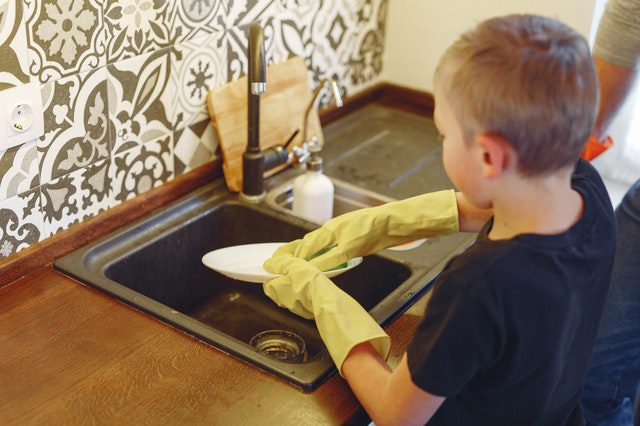
MEANINGFUL WORK: HOMESTYLE
A helpful worksheet to help you help your children feel a sense of purpose at home provided by Christine Lowry, M.Ed.
Daily Responsibilities
For ages 2 and up
- Make your bed
- Put your dirty clothes in the hamper or laundry room
- Put shoes away
- Put your personal items away—toys, books, self-care items, etc.
- Get dressed
- Wash your face and brush your teeth
- Prepare your own snacks and/or lunch
Shared Family Responsibilities
In sequence of difficulty from 2 years old and up
- Feed the pets
- Set the table/clear the table
- Help prepare meals
- Sort, load washer/dryer, and fold laundry
- Load and unload the dishwasher
- Dust and polish furniture
- Water the plants
- Put groceries away
- Empty the trash
- Help with yard work—weed, rake, mow
- Check the mailbox
- Wash windows
- Sweep, vacuum, mop
- Plan a meal and prepare it
- Change the bed sheets
- Wash the car
- Take and bring in garbage cans
- Clean the bathroom
- Clean and organize the garage
- Plan family activities
Click here to download a PDF of this worksheet.

Pandemic Strategies: Family Meetings
During the first weeks of the pandemic, The Montessori Foundation began to hold free zoom meetings for parents struggling with a variety of issues.Here is a short review of the Montessori Parent Gathering from April 4, 2020. The presenter was Lorna McGrath, Director of The Montessori Family Alliance.
- Family meetings fulfill many needs for parents, children and anyone else living under the same roof such as:
- showing commitment to the family unit by all;
- being a vehicle for problem-solving issues within the family;
- brain-storming ideas or solutions to issues impacting the family,
- giving everyone an equal voice;
- showing respect for everyone in the family;
- showing appreciation for everyone in the family; and
- creating a special time that is just for family.
Now, add in the stress of a pandemic, children being cooped up week after week, parents trying to figure out how to work at home and help their children do their homework and you have the perfect conditions for some tense scenes. In her Parenting Puzzle online course for parents, Lorna highly encourages weekly family meetings. Should you not already be doing this, try doing it now so you can help all through this period of time. By the time it’s over a routine will be in place and you will understand why you should keep it going for a long, long time.
Here are some suggestions as to how to institute and structure the meetings:
- discuss with your parenting partner first (make certain you are both clear as to why you are doing this);
- try to speak with a unified voice. There’s plenty of opportunity to express different points of view, but for the sake of establishing the idea of the meetings, it better that you are both coming from a common place; and decide who will run the first meeting.
For your first meeting:
- review the purpose;
- set aside a set time and day of week ahead of other things;
- have a very short agenda; and
- review the process of a facilitator.
The meetings themselves:
- should not be long (10 to 15 minutes);
- need to be a safe space for all;
- include all family members. Even a babe in arms can be held during the meeting. Baby’s create rhythms of their own and will grow up with the meeting being a normal part of family life.
Once you have the family gathered:
- take turns (you all get to decide how you want to structure that) being the facilitator. The facilitator keeps you on track with the agenda;
- everyone agrees to have his or her devices out of earshot;
- agree on a day and time when you stop adding items to the agenda. You may not get to all items, so if it can wait, move it to the next week. If it’s an emergency, you might have to figure out something that works for the situation; and
- when the meeting concludes, the facilitator gets to choose a short activity for all to do and all participate. (Lorna recommends not having meeting over meals so you keep the structure intact.)
Use this opportunity to really create a stronger family environment with your children. Not that we would wish this situation on anyone, but if you must be sequestered in place, we think this could create one of those silver lining moments for you and your family.
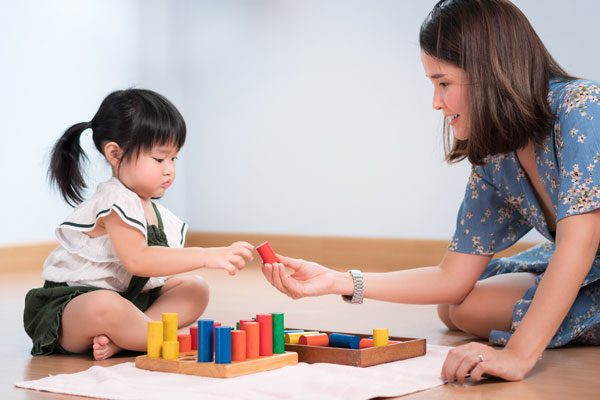
Strategies for Montessori Home Learning
Review:
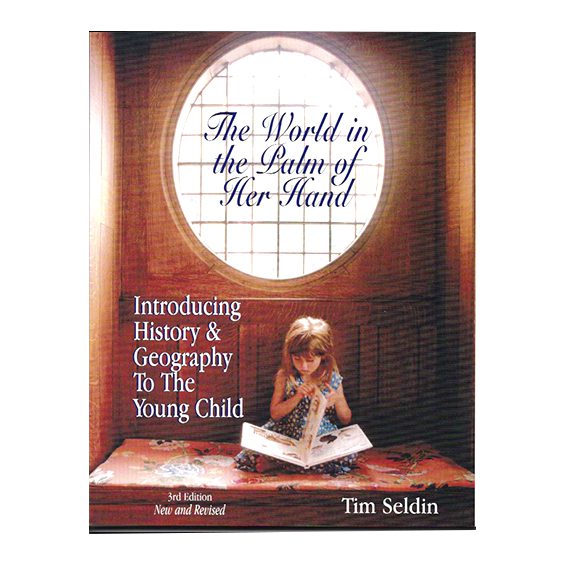
The World in the Palm of Her Hand
By Tim Seldin
click to purchase
For parents who want some actual scripting on working with their children at home, we recommend this book. I used it on many occasions with my four granddaughters and they enjoyed the activities immensely. You do not need to be in a classroom to have these kinds of conversations about the world in which they live. The book actually contains the introductory lessons for young learners in the areas of Geography and History but our intent is show you that it is possible to have great conversations with your Montessori child in a Montessori way (incidentally, that is the name of another amazing book!).
The carefully constructed lessons your child’s guide delivers is done in what they call the Three-Part Lesson format.
The carefully constructed lessons your child’s guide delivers is done in what they call the Three-Part Lesson format. I’m going to share from the book so you can see how you can do this as well. And again, we don’t expect you to become a Montessori guide nor have the specific materials in your home; our purpose is to help you understand some ways you can engage your children and just follow the format, so that the message is delivered in a verbal way that children are used to hearing from their guide.
LESSON: COLOR IDENTIFICATION:
For the youngest children, who are just learning to master their ability to identify colors.
 To illustrate how you could do this at home, you could use a variety of ways to demonstrate colors if you don’t have a set of color tiles: index cards (or color swatches for paint that you can get from hardware stores) already made up with first the primary colors of red, yellow and blue. When your children have mastered the primary colors, you can move on to secondary colors: green, purple and orange. You can always use real objects you have in the house, such as fruits and veggies of different colors. Keep it simple and keep it to just a few colors.
Have all your materials set up before you ‘invite’ the child to the work. You might say, “Would you like to do some work with colors right now?” Starting your sentence with “would you” makes it clearer that this isn’t some kind of test with consequences.
First Period
Name the color, “This is red.” Show the child the object.
“This is blue.” Show the child the object.
“This is yellow.” Show the child the object.
Remember to sound really enthusiastic.
Second period
This will help the child link the language and her own experience.
Say, “Would you show me the red (object)?”
“Would you show me the yellow?”
“Would you show me the blue?”
The second period actually does involve some deep learning, so you may need to go back to saying it the first way a few times. Try to sound positive as you restate the names of the colors while showing them each respectively.
Third period
Now you get to ask the child, while pointing to one of the objects, “Which one is red?” and so forth. If the child is unable to make the connection you may need to start at the beginning.
This is just a simple example, but might be useful in understanding that each child learns these skills at their own pace. Should you have an older child, you can use this delivery for more building vocabulary. Call objects by their correct names. For instance, if you are working on naming animals, call a cat a cat and not a kitty; a dog is a dog, and not a doggie. If the child is even older and you have, for instance, a German Shepherd, refer to the breed.
In the Montessori class, lessons are initiated in three ways:
- The teacher senses children’s readiness and invites them to join her/him for a lesson.
- Children become interested spontaneously and ask for a lesson.
- The teacher notices when children choose materials for which they have not yet been given a lesson and comes over to present the lesson.
Presenting the Fundamental Lesson: The fundamental lesson is the basic presentation given by Montessori teachers to introduce children to a new material or activity. If it is to have the enticing quality previously described, teachers must prepare themselves carefully.
- Teachers must be sure that they are completely familiar with the material and its correct use in order to prevent confusing children with their own uncertainty.
- The lesson must be simple and concise enough that the children will be certain to understand.
- The fundamental lesson usually includes only a few words of explanation followed by a demonstration of the typical cycle of work with this material.
- To avoid unnecessary distraction, spoken language is limited when presenting the lesson to younger children; nonverbal communication seems to lead to less confusion.
- Be sure that all the pieces are present for the lesson/material you are presenting. Nothing is more disruptive to the child’s interest and concentration than discovering that something is missing.
- Prepare your work area in advance, allowing for enough space.
- Remember the aims of the lesson.
- Make your presentation quietly dramatic, emphasizing the key points referred to in the lessons under the heading Points of Emphasis.
- When your lesson is finished, either put the materials away with the children’s help, or withdraw to let them work on their own, making sure that they return all the materials when they are done.
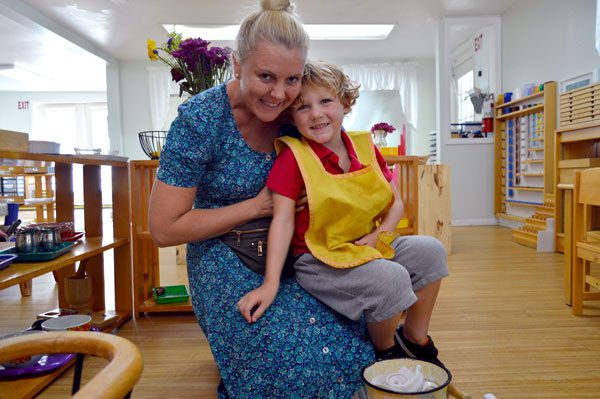
Table Washing: Why do Montessori Students Spend So Much Time Washing Tables?
Editor’s Note: If we had a dollar for every time a skeptical parent has questioned the amount of time their young Montessori child spends washing tables …In 2007, Robin Howe (now Robin Howe, EdD) was just starting out his his career as a Montessori teacher at a charter school in Florida. This article originally appeared in Tomorrow’s Child’s Fall 2007 issue. Broken down into the many pieces of what seems to be a simple process is actually big work for a young child and exemplifies the genius behind the Montessori Method.
ANATOMY OF A LESSON
Ironically, I missed the session of my Montessori teacher training when we were given the lesson on how to wash tables. I remember doing it as a Montessori child. How hard could it be? I was just getting out of my first career in the restaurant business, and someone was going to teach me how to wash a table? I had washed and set tables for the rich and famous. I had cleaned more tables than everyone in that class combined. I was, in fact, relieved to miss that day of instruction. The summer training session ended, with my teacher trainer reminding me that I still needed to have a lesson on table washing.
 A month later, about three weeks into the school year, where I was doing my internship, my lead teacher, a wonderful, experienced Montessorian, invited me to join her while she gave a review lesson to one of the returning students on table washing. Great, I thought! This was my opportunity to receive the lesson, seemingly without missing a beat. About twenty minutes later, I found myself sitting there observing a four-year-old finish up his work, while I, the ‘non-lesson-needing expert’ watched dumbfounded.
I once thought that table washing was one of the most remedial tasks that a Montessori student would ever have to learn. As a result of watching this lesson, and essentially being humbled by a four-year-old (also an experience that has since occurred on many occasions), I have come to realize how important and difficult this work is for children.
I once thought that table washing was one of the most remedial tasks that a Montessori student would ever have to learn. As a result of watching this lesson, and essentially being humbled by a four-year-old (also an experience that has since occurred on many occasions), I have come to realize how important and difficult this work is for children.
I have now learned how to give this lesson, and it never ceases to amaze me that it is so complicated. More amazing is the way that my students seem to pick it up so quickly and how I still, after many lessons, have to focus in order to perform it correctly. For these reasons, I would like to share the lesson, as well as some observations, on how children respond to this exercise. It is my hope that others will gain a better appreciation for the complexity of this lesson and will, as a result, appreciate its importance and contribution as a part of the Montessori curriculum.
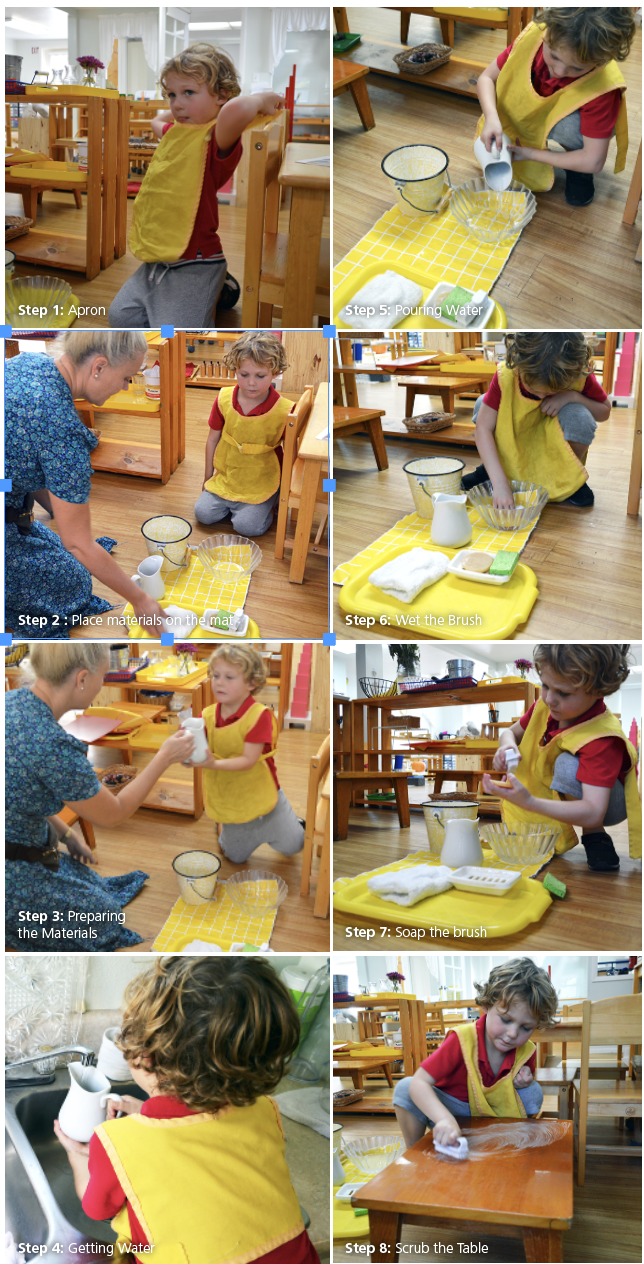
When working with any water exercise, the first step is to have the child put on an apron. Students are already familiar with where aprons are kept in the classroom, as well as how to put one on. Next, the teacher asks the student to go together to where the table-washing kit is located on the shelf. The child is either shown or asked to identify the table-washing kit and is then asked to take it to the side of the table that will be washed, placing the kit on the floor next to 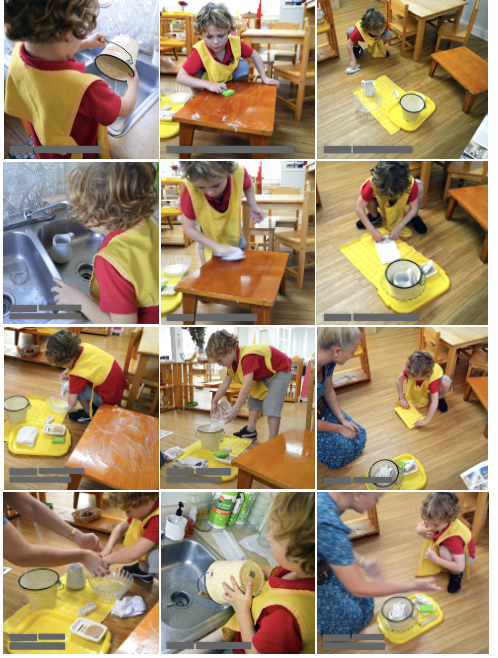 the table. Included in the table-washing kit are the following: soap in the soap dish; a soap brush; a pitcher for gathering the water; a bucket for dirty water; a basin (or bowl); a sponge; a drying cloth; and a hand towel that will serve as a mat for the materials. Generally, the materials are kept in the basin that will be used for the water. With the hand towel in place on the floor, the materials are arranged along the top of the hand towel in this order: sponge, soap, brush, drying towel (from left to right), and the water pitcher. And basin along the bottom. Note: This lesson may vary depending on the classroom and teacher.
After all the materials are placed on the towel, water is brought to the table using the water pitcher. Children have to fetch the water, which exercises body control as they navigate through the classroom, returning carefully with a pitcher filled with water (about two-thirds full). Then, the water is poured from the pitcher to the basin. The pouring of water from a pitcher is an extension of work that the student has already mastered in earlier Practical Life lessons.
Next, the brush is wet and run across the soap until it is foamy. Using the wet, soapy brush, the table is methodically scrubbed in a circular motion. There should be small, but visible, suds on the surface of the table.
The brush is then rinsed and returned to its place on the mat. The dirty water is poured from the basin to the bucket, and the child carefully walks the dirty water to the sink to empty it. He will return it to the mat and fetch the pitcher so that he may again fill it with clean water to pour into the basin.
Now, the child wets the sponge and wrings out the excess water. Both the wetting of the sponge, as well as the squeezing of the sponge, are skills the child already possesses as a result of previous lessons in Practical Life. Starting at the bottom of the table, moving in horizontal motions, the child begins to rinse the soap from the table.
The sponge is wet once again. As an extension of this Practical Life exercise, the student might be asked to count how many compress- es the sponge gets and then count the number of squeezes in order to expel excess water.
The child rinses the sponge, and picks up the towel to begin carefully drying the table top. After the surface is completely clear, the child checks the edge for suds and wipes it accordingly.
At this point, the table is now clean and dry, and the basin is filled with soapy water. The student then pours the water in the the basin into the bucket and disposes of the soapy water. The process of disposing of the water is also a very important part of the lesson. The child, again, has to navigate through the classroom, focusing on his movement and the balance of the bucket so as to not spill the water. This is great practice for walking slowly and being patient.
Once the water is dumped, the child uses the towel to make sure the work area is clean and dry. The dirty towel is placed in the laundry hamper, and a fresh towel is carefully rolled, and placed in the pitcher. Next, the mat is carefully folded and all materials are returned to the tray as they were found.
This lesson is important for many reasons. As mentioned during the lesson description, the child has to practice patience, while exercising fine-motor skills and balance. The student’s ability to sequence is challenged, as the proper completion of the work is dependent upon the ability to follow the proper steps. Another important aspect of this lesson, perhaps overlooked much of the time, is the time that the student spends working with the teacher. This is one of the longest lessons and can often take up to fifteen minutes.
During this process, children must listen carefully and ask questions, which helps them develop important language skills.
I hope that my description of this exercise offers some insight into the Montessori classroom and instills a sense of respect and feeling of awe for the children. Similar to the mistake I made, many people assume that these lessons with simple names must be simple, causing us to wonder how they could be so important. Indeed, I have come to realize that they are important, not only as a part of children’s Montessori academic curriculum but also their development as people.
To view video of this lesson at home, visit page 13 of the Digital version of this issue of Tomorrow’s Child.
The Coronavirus is a Stark Reminder We Are One Global Family
What a difference a month makes. The whole world is reacting to a pandemic of a previously unknown virus. It’s an emergency on a global scale, dominating every news cycle. It’s the subject of conversations over coffee counters at 7-11 in the mornings and at local watering holes in the evenings. Our lives are being disrupted. You can see concern and worry etched on people’s faces.
Is this a new phenomenon? Of course not, because the world has faced many devastating outbreaks of disease in human history, including the Black Death in the 1300s, the flu pandemic of 1918, the Asian Flu of 1956-58 and the HIV/AIDS Pandemic of 2005-2012—to name a few. The pandemics of the past have killed hundreds of millions, shaped history, shifted population demographics, and influenced art, music, literature and theater, leaving an indelible imprint on our collective psyche.
Is this why the Coronavirus seems so suddenly terrifying—because the trauma of such a widespread disease is embedded in the ancient part of our brains and triggers fears of vulnerability, helplessness, and fear? Or had we lulled ourselves into the illusion that such a pandemic is not possible in the era of modern medicine? And why is our reaction to this so much more visceral and vocal than our reaction to, let’s say, the crisis of climate change? Is it because the virus pandemic is less abstract, more personal, more immediate?
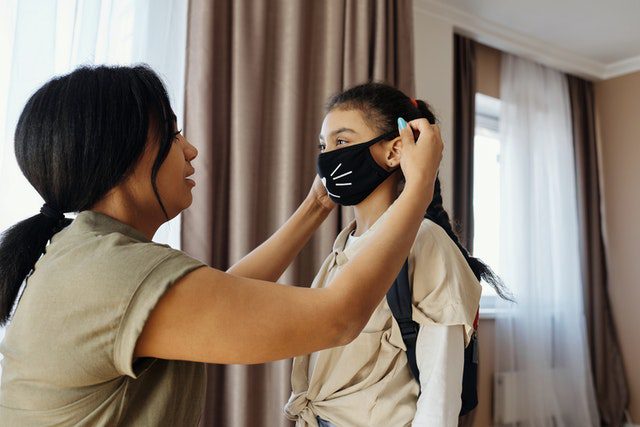
Whatever the answers to these questions, one thing is certain: when it comes to a potentially massive catastrophe like this, national boundaries will not protect us. Nor will wealth or status make us immune. Humans from all social strata and from every corner of the planet are faced with the same humbling thought—that at the moment our best protection from contagion is hand sanitizer, incessant hand washing, medical masks, and the avoidance of physical contact with others or even our own faces.
So here we are all at once in the same boat, and for some of us, we are literally in the same boat—stuck on a cruise ship in quarantine and dealing with an even greater degree of confusion and hysteria. We are coming face to face with our human frailty and at the same time with our fundamental oneness. Regardless of religion, political affiliation or mindset we are now starkly being reminded that we are all—every one of us—homo sapiens, the species to which all modern humans belong (and the only member of the genus homo that is not extinct).
It’s a reality check of epic proportions, at a time when it’s become so convenient to retreat into the comfort of online echo chambers that validate and amplify our viewpoints and make us comfortable designating others, whether consciously or not, as less civilized, less intelligent, or less moral than we are. We’ve become adept at “othering,” as we stridently advocate for the positions we are passionate about.
It’s a reality check of epic proportions, at a time when it’s become so convenient to retreat into the comfort of online echo chambers that validate and amplify our viewpoints and make us comfortable designating others, whether consciously or not, as less civilized, less intelligent, or less moral than we are. We’ve become adept at “othering,” as we stridently advocate for the positions we are passionate about. We’ve succumbed to the false narrative that social media is a forum of ideas, whereas in reality it is all too often a platform for venting our frustrations and anger, or for spewing hatred.
But the Coronavirus is a harsh refresher of Humanity 101—the most basic of courses. It teaches that we share identical DNA and the same genes, cells, and microbes. On the macro level we share a common heritage as humans. Humanity 101 teaches that collectively, we will shape our destiny on planet Earth, for better or for worse. As it is said from long ago, we will live together or we will die together.
Faced so immediately and directly with our own fragility as a species, others become brothers (and sisters), who are dealing with the same set of dangerous and scary circumstances as we are. The barriers we’ve erected, whether physical or mental, between us as members of the human family, melt away as we face an existential crisis like the one we currently face.
Our illusions of separateness disappear in the light of the new realities we are confronting, which may be old realities that we have long forgotten. We will, no doubt, survive this latest onslaught upon our collective wellbeing, but not without great pain and tragedy. The bigger question is: What we will learn from this experience? Will it jumpstart a new era of international cooperation, the development of new commonly agreed upon protocols for safety, more efficient sharing of information across borders, the creation of more robust yet localized health delivery systems and clinics, the innovation of new medicines at prices that everyday people can afford?
Hope springs eternal, and hope is what we cling to now. At dark times like these, let us hope that a vaccine is developed sooner than later. Let us hope that we can resist the “survival-of-the-fittest” mentality that humans have descended to in pandemics past; that we can hold and support each other as we feel stress and fear. And at the same time, let us hope for a new dawn—a renewed awareness of our interconnectedness—which could light our pathway toward a future of greater harmony and better collaboration.

Help! Too Much Information: How Do I Know What to Trust?
Wow, has our world changed!
Now, we’re working from home—still full time, and still expected to get our job done with confidence and competence. And then, oh yes, the children are home and no childcare or school to fill their day. But wait, and I am supposed to teach them and set up a Montessori environment? Should I laugh or cry?
With all of this stress, and the daily onslaught of news, it can just seem too much. We know you want to do the best, we know you want to help your children get those “packets” from school done, we know that you might love to “homeschool” and still take care of family chores, and your job, and maybe have a little bit of down time just for yourself.
So here are a few thoughts for you to reflect on, in that little bit of down time, or that walk you manage to take alone, or as you crawl into bed almost too exhausted to fall asleep…
First, you are the expert when it comes to your children. You know them in a way and in a place like no one else does. You know their strengths and their challenges, how they get crappy when they’re hungry, or overwhelmed, or need attention. And you love them in that special way that only a parent can love. Trust that. Trust that you are the expert, that you always want what is best, even if you are feeling confused or overwhelmed with all that is coming at you. You are the expert!
Second, accept that all parents want the best, expect that we need to give them the best, to make it all right. But we’re going to make mistakes; we’re going to have regrets and thoughts of “I should have done that better.” When you start feeling like you are getting advice from all kinds of places and all kinds of people, remind yourself that you are doing the best you can, that you love that child more than anyone, and you are the one who is there for them.
Now, in this time of COVID-19, it can feel like you are being bombarded with information, the ways you can entertain your child, the ways you should be teaching your child, the activities and materials you should be providing your child. All from well-meaning sources, all the websites and Facebook pages that are offering free online classes, or virtual visits to museums or zoos, and all the ideas and projects and activities you could be doing with your children. Montessori educators, from every level, are sharing great suggestions, sharing what they know, sharing their expertise. Your child’s teacher may be sending you emails filled with things you can do at home or sending home “works.” All well-meaning, all trying to support, all just trying to connect during this time of “social distancing.”
And you want to do the best you can, right? But, truthfully, you can’t do it all. All these well-meaning, supportive people might just not know you, and your children, and your household the way you do. They may not know how difficult it is to balance a full-time job, with a now three- and eight-year-old at home and your parenting partner who has his/her own set of struggles right now.
In a very practical way, think about your day, think about the “have-to’s” vs. the “want to’s.” Think about which of those “have to’s” your children would feel really good about doing, to feel like a meaningful part of the family when they know this is a hard time.
So how do you pick and choose? How do you decide what is best from all these great resources for your child, for your family, for your daily life in the time of COVID-19? In a very practical way, think about your day, think about the “have-to’s” vs. the “want to’s.” Think about which of those “have to’s” your children would feel really good about doing, to feel like a meaningful part of the family when they know this is a hard time. Look at that list, knowing your children better than anyone, decide which of those things you could teach them how to do—not a Montessori lesson, just how you would do it. They are going to get more from that experience of helping than the most perfect of lessons would give them.
Now think about those “want-to’s”, you know, the ones you and your children are interested in doing, or learning about, or playing with. And, yes, you can look on the internet, or Facebook, to get ideas about what resources your older child would engage. Let the older one help the younger one; make it clear they are doing this so you can get some work done. Let them feel responsible in that way. And if your oldest one is three, think about what is it that your child likes to do and wants to do. Is it really going to hurt if a three-year-old wants to play with Legos for an hour, maybe sitting on the floor near where you are working?
If you do look at all of those websites and Facebook pages, how can you decide what to pick and choose? One way to narrow it down (besides what just fits with you and your children) is to look at the credentials of the people giving all this advice—look at their formal education areas, their experience, and then ask yourself, “Does this make sense to me?” Discriminating between the high-quality, evidenced-based best practices, and just someone’s opinion can be tricky with so much information overload. But when you get a sense of what you should ignore and what is really valid, it will cut down on the stress of all that “clutter.” Limit yourself to just those few Facebook pages and those one or two websites that you know are going to give you workable ideas and solutions for your family. If you start feeling a sense of obligation, or expectation, of how you need to provide for your child right now, that might be a good clue to stop looking at that source.
It’s ok for children to play, it’s ok for children to sit around and color, or look at books, or watch a well-done exercise video. It’s ok for them to do these activities by themselves, in the room with you; they are doing their “work,” while you are doing yours.
We do know that children of every age are feeling the stress and tension of this time. Some may be able to even talk about it with you, but all are needing assurance, extra love, and attention to feel safe and secure. The most important person in their life is you, and if you can give them that extra attention for five minutes that gives them the assurance of your love so they can engage in something they like for as long as they can. Isn’t it worth that five minutes? And if you can let go of a lot of the rest of it, those five minutes can feel pretty precious to you, too.
Trust yourself, maybe find those very few true “experts,” who can support you and you know you can trust, and then let the rest of it go. Listen to your heart, love your child, and it will all work out and be ok.

Letter from the Editor, Joyce St. Giermaine: The Time of COVID
Dear Tomorrow’s Child Readers:
On the way to finishing our May 2020 Issue of Tomorrow’s Child something surreal and very, very bad happened to, as it turns out, the whole world.
Thank you for your years of loyalty and your patience. As family and staff members battled through COVID-19’s physical symptoms, schools closed, and we began the scramble to move from Montessori’s enriched classroom environment to meet the challenges of at-home learning.
We were actually ahead of schedule to publish Tomorrow’s Child, but the virus threw a wrench into that process, as we began to learn about the many ways in which this virus can spread. Instead of proceeding with our normal publication process, we chose to change our format and ‘go digital’ to streamline the process, thereby removing many points of human contact. We were also concerned that printed materials sent to schools might end up being sent back to us. While this decision clearly put us behind, on the plus side, by going digital, we have been able to offer much more content and live links with information that we believe will be helpful to you in light of our new reality. Regardless of good intentions, Tomorrow’s Child is very late, and we apologize.
Please remember that if you currently provide Tomorrow’s Child for your families, they are all entitled to the digital issues and access to full membership benefits of the Montessori Family Alliance. If you have forgotten how to make this work, please email info@inmontessori.org. We’ll make sure your school and families are set up. We will continue with this digital format until we have more information to reevaluate how best to deliver Tomorrow’s Child for the 2020/21 school year. By the way, we have extended your school’s Montessori Family Alliance memberships for an additional three months (through September). For sure, we will continue to provide new, expanded digital issues. The two biggest questions we are facing are 1) When will schools open for the 2020/21 school year? and 2) Do we feel that safety production and distribution measures are in place?
Other Resources Available to Help
Since schools began closing in March, the Montessori Foundation and the International Montessori Council have held daily and weekly Zoom™ meetings with Montessori educators and parents around the world. We quickly had to increase attendance in our Zoom rooms capacity to meet the demand. At first, the tone of the meetings was collective opportunities to share grief, shock, and fear; however, it did not take long for topics to shift to the practicalities and possibilities of how to meet the new health challenges and financial realities of global Montessori communities. Recordings of these webinars and meetings have been posted on our Facebook pages and online at montessori.org Please take a look!
Task forces have now been created to examine, in greater detail, the many issues resulting from COVID19. As in the aftermath of a terrible storm, long-buried ‘secrets’ are often uncovered and presented in life-shattering ways that must be addressed at every level of society from the Federal and State governments to our classroom communities. I hope that Montessori educators will lead discussions going forward that will help us all find ways to increase safety nets for those among us who have been marginalized by age, race, and poverty — big issues for all of us. How can we be part of a change for the better? First, model responsible, caring behavior for all our fellow global citizens. Second, get involved and stay involved. We need you. Third, through infinity and beyond … vote!
These are, indeed, challenging times and, yes, the whole world is in this together, even if it doesn’t always feel like we all have each other’s backs. But, the Montessori Foundation and the International Montessori Council do have your back. Please send us short bits of information we can share through Tomorrow’s Child, Montessori Leadership, and the Montessori Family Alliance. What is happening at your school? What have you done best during these enormously challenging times? What would you do differently? What can we do to help? We could all use some good news and good ideas. Please share stories of your school’s journey with us.
Please also remember to grant yourselves moments of grace. The frustration, fear, and sadness is real for all of us. I can see kindness and self-sacrifice rising to the surface in so many ways. Although we have this commendable need to carry on, we also need to schedule some time for self-care, which takes different forms for all of us. Read a book. Play your instrument of choice. Listen to music that makes you want to get up and move. Pet your horse. Walk your dog. Learn something new. Take a decadent mid-day nap.
Be well. We will get through this. Promise.
Joyce St. Giermaine
Editor / Executive Director
Tomorrow’s Child
The Montessori Foundation
Featured
-
 Montessori Family Alliance School Group Membership (Print & Digital 2026 1/2 year pricing)
Original price was: $30.00.$15.00Current price is: $15.00.
Montessori Family Alliance School Group Membership (Print & Digital 2026 1/2 year pricing)
Original price was: $30.00.$15.00Current price is: $15.00.
-
The Montessori Way, Revised and Expanded: An Education for Life; A Comprehensive Guide for Parents and Teachers
$25.00
-
The Montessori Child: A Parent's Guide to Raising Capable Children with Creative Minds and Compassionate Hearts (The Parents' Guide to Montessori)
$20.00
-
The Montessori Toddler: A Parent's Guide to Raising a Curious and Responsible Human Being (The Parents' Guide to Montessori)
$20.00
-
Montessori in Action: Building Resilient Montessori Schools 1st Edition
$29.95