by Lorna McGrath | Family Resources, MFA, Montessori Family Life, Montessori Parenting, Webinars / MFA
We all get caught up in work, children, housekeeping, school, and a multitude of other things. How do couples make time and space for each other? This session is for parenting partners who need some ideas for making sure that their relationships stay strong.
by Hillary Drinkell | MFA, Montessori Education, Montessori Family Life, Webinars / MFA
Participants will discover a variety of techniques to develop friendships and communication skills. Activities will be introduced which help further friendships, reduce cliques and enhance communication skills. Appropriate for Kindergarten age and up in small or larger group settings.
by Carrie Contey, PhD | MFA, Montessori Education, Montessori Family Life, Montessori Parenting, Webinars / MFA
Carrie Contey, PhD speaks about the importance of trust in our relationships with our children and in the innate abilities to learn, discover and progress.
by Hillary Drinkell | Family Resources, MFA, Montessori Education, Montessori Family Life, Montessori Parenting, Webinars / MFA
Hillary Drinkell shares some techniques to create awareness of and empathy towards others which in turn creates better child to child relationships.
Download File
by Hillary Drinkell | MFA, Montessori Education, Montessori Family Life, Montessori Parenting, Montessori students, Montessori Teachers, Psychology, Webinars / MFA
Hillary Drinkell – In this session participants will discover how to develop children’s imaginations and emotional strength through stories, myths and fairy tales. Various activities will be discussed that have practical applications to furthering children’s imaginations and emotional strength. Appropriate for students of all ages.
by Carrie Contey, PhD | MFA, Montessori Family Life, Montessori Parenting, Webinars / MFA
Start your year off with clarity and skills in this webinar. Carrie Contey, PhD will help you hold the big picture of all you’re doing AND explore strategies that actually help you navigate the waves on a daily basis. Together we’ll outline the purpose and possibilities of family life.
by Margot Garfield-Anderson | Family Resources, Infant-Toddler (0 to 3), Language, MFA, Montessori Family Life, Montessori Parenting, Webinars / MFA
Margot Garfield-Anderson, Montessori Foundation staff and grandparent emeritus – Many a grandparent and parent have probably wondered how Montessori teachers always know the right thing to say at the right time. Join Margot for a look at how they do that and how we can learn to do it, too.
Download File
by Paul Epstein, PhD | Adolescence, Early Adolescence (12-15), Later Adolescence (15-18), MFA, Montessori Education, Montessori Family Life, Montessori Parenting, Montessori students, Webinars / MFA
Find out how traditional education fails to prepare young people for the “ever-changing future” in the 21st century. Paul’s knowledge and insights with regard to adolescents and Montessori are not only encouraging but also clearly stated and practical.
Download File
by Lorna McGrath | MFA, Montessori Family Life, Webinars / MFA
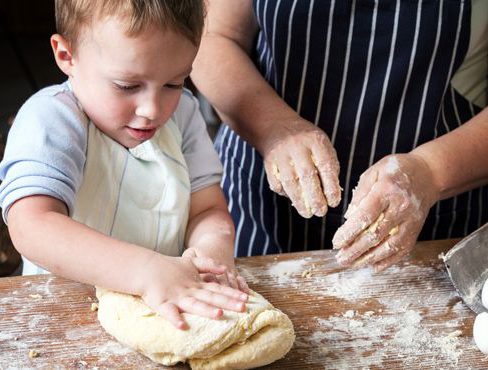
Join Lorna for how and why she loves preparing food with children! There are lots of great ideas and suggestions for you and your child to use at home.
by Lorna McGrath | Family Resources, Infant-Toddler (0 to 3), Montessori Education, Montessori Family Life, Montessori Parenting, Primary (3-6)
Recently Lorna McGrath was a guest on the POP Parenting show, a nationally syndicated radio talk show. She shared Montessori ideas for parents to use at home.
You can click on this link which will take you to Jenni and Jody’s website. There you will see the title. Click on the title.
The next page will look the same but if you look up to the top bar you can choose to click on RADIO. When you do that it will take you to a recording of the broadcast. Enjoy!
Click here to access the broadcast
by Kristi Antczak | Family Resources, Infant-Toddler (0 to 3), MFA, Montessori Education, Montessori Family Life, Webinars / MFA
Join Kristi for some great ideas and tips on food prep with toddlers and the value to your toddlers’ development as well as to your family life.
by Lorna McGrath | Family Resources, Infant, Infant-Toddler (0 to 3), MFA, Montessori Education, Montessori Family Life, Montessori Parenting, Parent Education, Parenting on the Same Page, Prepared Environment, The International Montessori Council, Toddler (18 months-3 years), Video
Lorna will show you how to create an indoor play yard for your baby or your grandbaby. When the little one starts to move around on his own, it’s time to create a space for him that is safe, engaging, and fun!
by Lorna McGrath | Book Reviews, Infant-Toddler (0 to 3), MFA, Montessori Education, Montessori Family Life, Montessori Parenting, Primary (3-6), Video, Webinars / MFA
Author, Tim Seldin, talks about the 2nd edition of his practical guide to parenting the Montessori Way called How to Raise an Amazing Child. In this new edition Tim introduces some new topics of interest to parents.
by Christine Lowry | Children with Exceptionalities, MFA, Montessori Education, Montessori Family Life, Psychology, Webinars / MFA
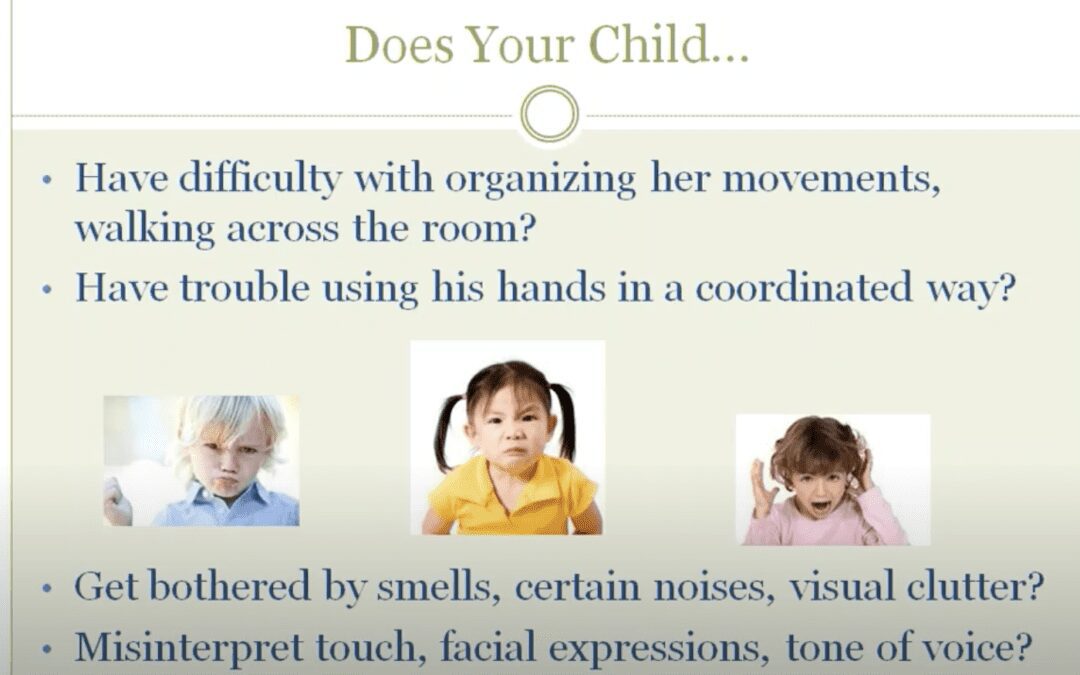
How do you know if your child (or one of your students) might have sensory processing issues?
by Kath Kvols | Family Resources, MFA, Montessori Family Life, Montessori Parenting, Webinars / MFA
If you struggle to fit everything into your life – work, family, faith, leisure time – then this session will give you some ideas to create balance in your life.
by Lorna McGrath | Adolescence, Early Adolescence (12-15), Later Adolescence (15-18), MFA, Montessori Education, Montessori Family Life, Montessori Graduates, Montessori Middle School, Montessori Secondary / High School, Montessori students, The International Montessori Council, Video, Webinars / MFA, Young Adolescent
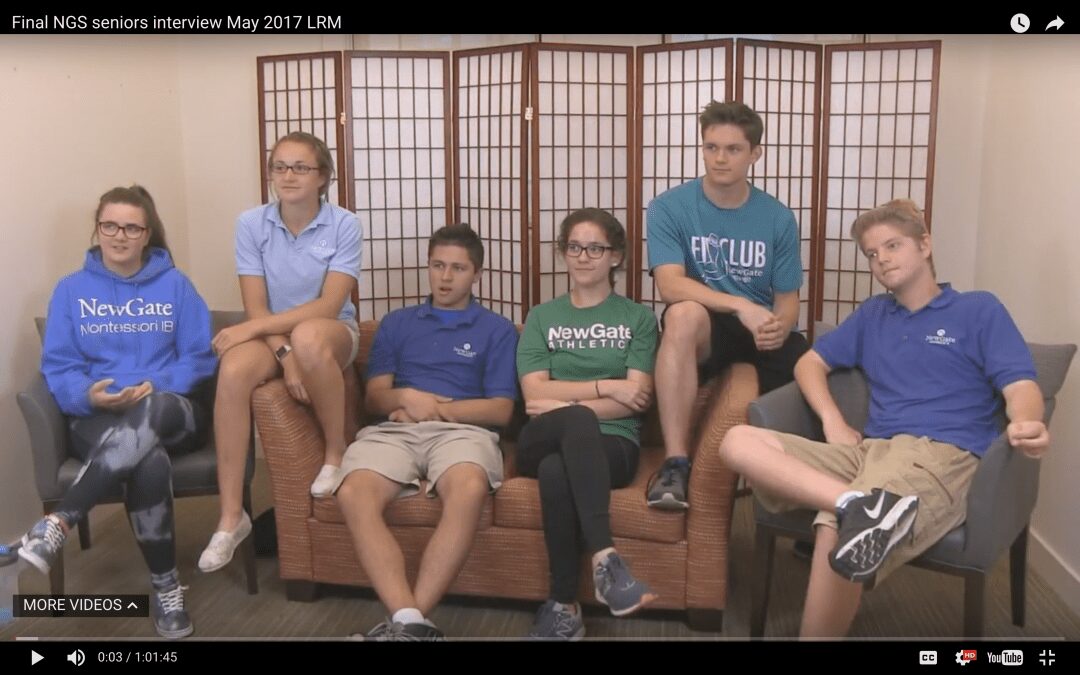
This is a video interview with six soon-to-be Montessori grads from NewGate School. Join us for their thoughts on Montessori life and the world beyond.
by John Long | MFA, Montessori Education, Montessori Family Life
It is an Odyssey, a true adventure, for the 18-month old child to walk with her teacher through the halls and gardens of Post Oak School to get the mail. The act of walking itself is her focus. It is an accomplishment just getting all the way there and all the way back to the security of her well known home away from home. And on the way she looks up to everyone she meets — both actually and figuratively.
That’s why it is important for the rest of us to model appropriate and respectful behavior — she absorbs all that she sees and hears in the environment.
So began a conversation among the faculty about grace and courtesy, and the glorious challenge of working in a school with children ranging in age from 14 months to 14 years.
When an elementary child, absorbed by joie de vive, runs through the halls with a friend, it is a problem. It is a problem because we don’t want to trample any infants. It is a problem because we don’t want to crash into anyone else. It is a problem because we simply don’t run indoors — except in a gym; and it is a problem because we don’t want to model that behavior and thereby perpetuate it. We do want to model the self control of walking through the school. We do want to model knowing what is appropriate behavior in every time and place.
Faculty acknowledged that the elementary child has grown tremendously in her capacity to move with speed and coordination. She loves to run. But that does not mean it is OK to run through the halls and courtyards of the school.
We encouraged one another to set limits regarding this and other behaviors to do with grace and courtesy whether it involved children from our own classes or those from others. It takes a whole village to raise a single child. In other words, it takes all of us, working together, to establish clear expectations and to follow through on them consistently.
Middle school students were being loud and rowdy in the hall. It was disturbing one of the primary classes and the teacher came out to speak to them. “Please be quieter. Our class is sitting in circle having a lesson.” This request was expressed directly and quietly. And their response was respectful and appropriate. They quieted each other down, recognizing the importance of the work of the younger children, remembering when they had been in that class themselves, recognizing their membership in a community of adults and young people aged 14 months to 14 years.
We want to once again thank John Long and the Post Oak School for allowing us to republish John’s wonderful essays in Tomorrow’s Child and in our online resource collections.
by John Long | Family Resources, MFA, Montessori Education, Montessori Family Life, Montessori Parenting, Montessori students
Paula Polk Lillard begins the Preface of Montessori Today by telling about a chance encounter with a man whose two sons, age nine and eleven, attended a Montessori school in Chicago.
Iasked him how he had come to choose a Montessori education for his children. “It was my wife’s decision,” he said. “I was busy with my work. I left it up to her. In fact, I was not in favor of their staying in Montessori when they reached first grade. I was worried that it was too sheltered an environment. I’ve changed over the years. I’ve become very involved.”
When I asked what he liked about Montessori, he responded that it was the sense of teamwork that the children developed and their self-direction.“They are competitive,” he said. “All kids are, but it is different. They get along so well and they are so confident. They are almost adult-like in their attitudes toward others.They care about the world. They have even gotten me involved in a community-service project for the homeless.” He paused and then said, “I realize that I’m not telling you about Montessori.I’m telling you what my children are like because of going to a Montessori school.”
He then commented about the other children in the neighborhood who were friends of his sons, many of whom attended a fashionable private school with a reputation for high academic achievement. “I don’t mean to bad-mouth these children,” he continued. “They are basically good kids but they are pseudo-sophisticated, even to the point of being smart alecks. I don’t get any sense that they care about doing their best for its own sake.Their focus seems to be on beating others.”
I asked this father if he was worried about his oldest son’s transition to high school, where he would be with these neighborhood children or others like them who had had such a different experience in their early schooling. He answered quickly, “Yes, because I’m afraid that my son will seem eccentric to them. He’s always studying something, looking up the answer to some question of his.” Immediately, however, he reversed himself. “Actually, no. I don’t think it will be a problem because he is so confident. He won’t be bothered by teasing if it comes to that. He gets along with everyone and he is used to being independent. It’s a fear that I have.”
He went on to describe his own early education. He had gone to both public elementary and high school in a district which I recognized as one of the best in the Chicago suburbs. Yet, he said, it had been a lonely experience. “None of my teachers were mentors to me. It was all so cold. Montessori is such a caring way to teach,” he continued.
We want to once again thank John Long and the Post Oak School for allowing us to republish John’s wonderful essays in Tomorrow’s Child and in our online resource collections.