

The Importance Of Bring Art Literacy Into Your School
Understanding the importance of integrating a visual art curriculum into the classroom is crucial in today’s educational landscape, especially with the emphasis on STEAM programming. The “A” in STEAM signifies arts, showcasing the increasing recognition of arts within this educational movement across all grade levels. This approach, combining science, technology, engineering, arts, and mathematics through project-based learning, not only prepares children for future jobs but also nurtures their creative problem-solving skills.
Can you teach it all: at the elementary level?
The Montessori Elementary curriculum is so vast, especially when student-led inquiry is encouraged. Dr. Robin Howe will share some strategies for managing the curriculum, while also giving students the opportunity to explore their own interests. This included managing the curriculum in multiple ways to ensure that students complete the three or six-year work cycle in preparation for the next level. These are strategies that were developed by the late Dr. Michael Dorer, which have evolved over the years while working with students and in schools with the challenges of everyday modern Montessori.
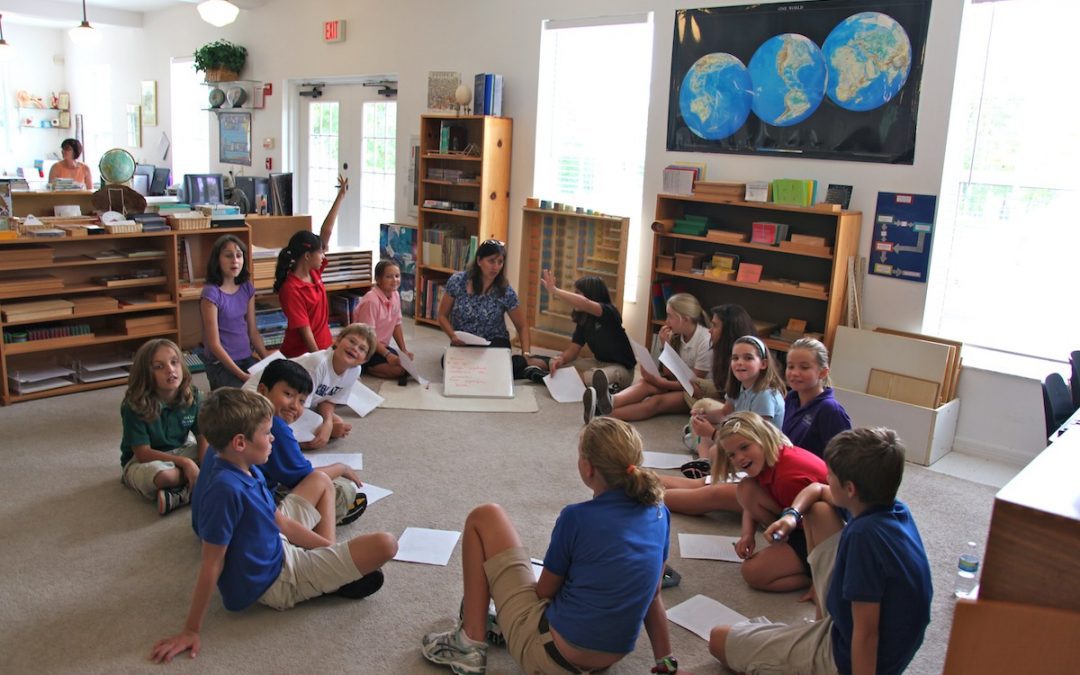
Montessori for the Elementary Years
Montessori’s Cosmic Curriculum
Nurturing Curiosity, Creativity, and Imagination
“Mommy, why are there no more dinosaurs in the world today?” “Where do potatoes come from?” “Why is the sky blue?” If you’re a parent, such questions are a daily dose of wonder, but have you ever really considered how these everyday questions are connected to an expansive concept of the world?
Montessori education prompts children to connect the dots. You might have heard of ‘Cosmic Education’ during parent-teacher meetings or casual Montessori chitchats. Sounds a bit odd, doesn’t it?
At its heart, cosmic education is all about emphasizing the interconnectedness of everything. Dr. Montessori saw science and history as two lenses to view the captivating tale of our universe’s continuous unfolding.
It’s not just a fancy term or a subject in the Montessori curriculum. It’s a holistic approach that blends subjects like astronomy, chemistry, and biology. The aim? To stoke the embers of curiosity in our children and show them the magnificent web of life, where everything has its unique place.
From Potatoes to the Universe: It’s All Connected!
Mario Montessori wrote about his grandmother (Maria Montessori) and the concept of Cosmic Education in his book, Education for Human Development. He reflected on how his grandmother could effortlessly tie present moments to distant past events. Picture this: She’s peeling potatoes and, out of the blue, starts pondering about humankind’s journey of discovering the potato. A simple veggie makes her wonder about ancient civilizations and their agricultural practices!
Her unique gift was to make such connections, laying the groundwork for Cosmic Education. This allowed for merging the past with the present, making everyday activities feel like epic tales.
Think about how peeling potatoes could lead to tales of the potato’s journey from the New World to European dining tables. That’s the Montessori magic!

Swimming with the Salmon: Every Story Has a Lesson
Maria Montessori prompts us to ponder the salmon’s life cycle. These fish are born in freshwater, venture into the vast ocean, and, against all odds, find their way back home. It’s a biology lesson and a narrative of nature’s balance and magic.
Cosmic Education gives such stories context, teaching children the beauty and complexity of our world. Everything has a story and purpose, whether a humble potato or a migrating salmon.
Humans: The Cosmic Contributors
While salmon follow nature’s script, we humans can write our own. We can reach for the stars or recklessly consume our planet’s resources. Montessori’s Cosmic Education emphasizes our unique cosmic task: to cherish and protect our home.
More than Just School Lessons
Montessori’s Cosmic Education is more than just school lessons; it’s a philosophy. It’s about seeing the bigger picture, understanding our role in the universe, and acting responsibly. Children are not passive vessels to be filled with knowledge; they are young explorers hungry to understand their place in the cosmos.
Traditional education often starts with details, moving from basic concepts to the big picture. But Montessori flips this. Why? Because children are naturally curious about the universe, the stars, and the history of the world.
Once they see the grand tapestry, they’re eager to explore each thread.
For instance, instead of merely teaching kids about plants, Montessori education might start with the story of how the world began. Rather than giving them the right answers, a Montessori teacher will ask students to think about how they imagine our universe might have come to be. Some children may know the story from Genesis. Others may express a simple version of the concept of the Big Bang. Other ideas may include the concept of an oscillating universe that contracts and expands.
Montessori teachers tend to inspire a sense of wonder and nurture children’s curiosity and imagination.
For example, many years ago, we visited Wilmington Montessori School in Delaware to take photos for Tomorrow’s Child magazine. While there, we came across a wonderful lesson presented by one of their Elementary teachers. In a dark room, lit by the repeating flash of a strobe light, he popped a large black weather balloon filled with confetti and glitter, as he told the story of what scientists believe happened with the Big Bang at the beginning of the universe. The expression on the children’s faces, eyes wide and mouths open in surprise, they got a lesson that I am sure they remember to this day.
They were fascinated as their teacher described the concepts of all the atoms rapidly expanding away from the initial point of the Big Bang and swirling out into the distance, gradually forming stars, galaxies, planets, and the universe we know today.
My husband, Tim, is a Montessori educator. He often says that Montessori teachers ask children the right questions rather than give them the right answers.
I know that my children’s teachers offered them lots of information. But I also remember that the teachers didn’t tell them that there was one right answer. Their teachers encouraged them to question and look for alternative possible explanations but to always go to the best sources.
Montessori teachers tend to inspire a sense of wonder and nurture children’s curiosity and imagination.
So, in addition to learning how to read and write, clean a table, fold a napkin, sweep, and use a mop, they come away with some sense of the earth, the dance of the sun and the rain, and how it nurtures life. Once kids see this grand narrative, they’re naturally curious about the details: photosynthesis, the role of roots, and more.

Why Should You Care?
We often lose sight of the bigger picture in today’s fast-paced world, but our children need to grow up with a broader vision, understanding how things work and why they matter. They need to realize that every action, no matter how small, has consequences in this interconnected world.
I’ll never forget the day my four-year-old daughter announced that she had figured out where hamburger came from and refused to ever eat it again. For many years, she was a strict vegetarian, and, forty years later, she still won’t eat meat. A few years later, she was writing the president of the United States and the government of Japan, pleading with them to work together to stop fishing boats from hunting whales. She knew whales were beautiful, intelligent creatures and couldn’t understand how anyone could deliberately kill them. She was an activist then and still is today in her career as a forensic psychologist.
As parents, we aim to prepare our children for tests, careers, and life. We want them to be responsible adults, aware of their impact, and driven by purpose. Montessori’s Cosmic Education lays the foundation for this holistic growth.
So, dive into the story the next time your child asks about potatoes, stars, or the buzzing bee. Connect the dots. The universe is a grand, beautiful tapestry, and every thread, including your child, has a role to play. Montessori’s Cosmic Education is the compass that can guide them through it.

Joyce St. Giermaine is the Executive Director of the Montessori Foundation. Her background includes a lifetime of work in association management, law, Banking, and institutional advancement. A lifelong learner, she is an accomplished photographer, editor, and graphic designer. Joyce is a former Montessori parent and grandparent.
Cosmic Education and the Seven Great Lessons for 2023 with Dane Peters
Having listened to so much about AI and how it is impacting our children, their learning, our schools, AND humanity, all inspired me to look at Dr. Montessori’s Five Great Lessons to see how they “might” fit with AI. The Montessori Leadership spring edition published my article — “Cosmic Education and the Seven Great Lessons for 2023?” to help Montessori educators and parents. I am so looking forward to talking with others to hear their take on the article, AI, and what might be in the future for our schools and children regarding AI.

Staying the Course: The Importance of Montessori for the Kindergarten Year
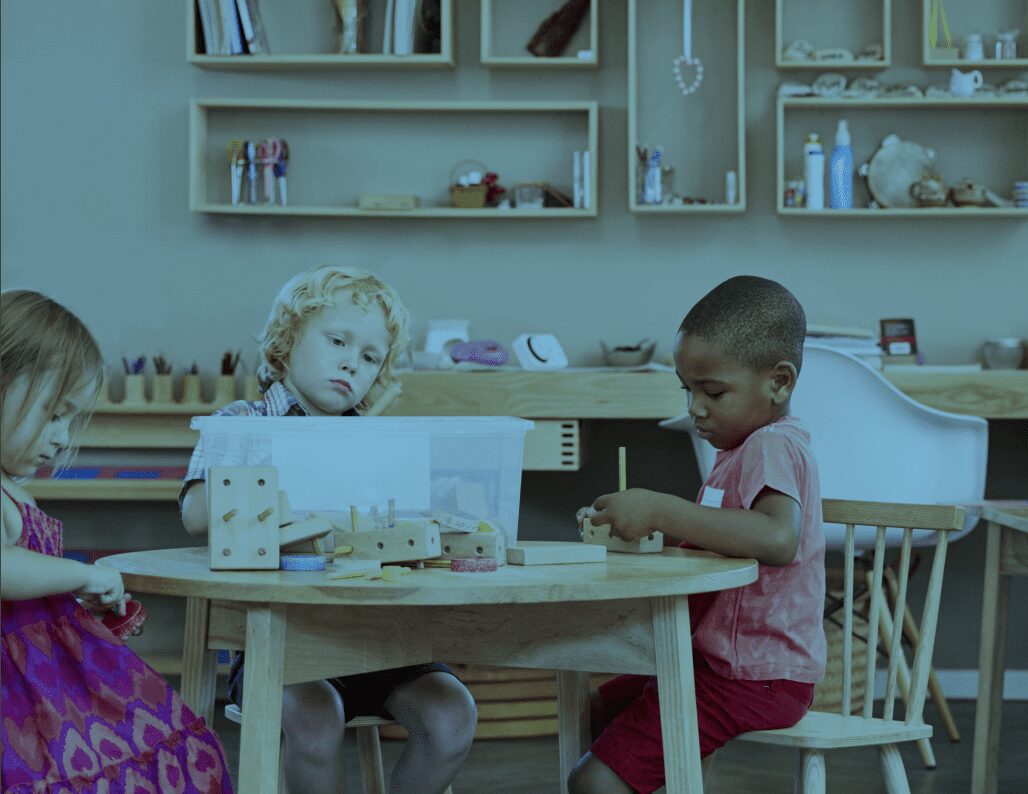
It’s re-enrollment time, and if you or a friend have a child who will be ‘ready’ for kindergarten next fall, you may be debating about sticking with Montessori or sending them off to the local schools.
The choice may seem apparent. Why would anyone want to invest in another year’s tuition when the local schools are free?
Naturally, the answer may be connected to family finances. However, many families of modest means make their children’s education a top priority and see the choice of staying in Montessori as an essential investment in their children’s future.
So here are a few answers to some of the questions parents often ask about Montessori for the kindergarten year.
Why not send their children to the neighborhood school?
Studies show that consistency in educational programs matters, especially in the first six years of life. When children transfer from Montessori to a traditional kindergarten, they spend the first year adjusting to a new class, teacher, and school system with very different expectations. In most elementary schools, the public address system interrupts the day with announcements, children are told what to do as a group, and the focus is on the teachers, not independent learning, through textbooks and workbook exercises. The Montessori materials give the child concrete sensorial impressions of abstract concepts, such as long division, that become the foundation for a lifetime of understanding.
Most kindergartens have a much lower set of expectations for five-year-olds than Montessori programs, which dramatically changes the course of their learning during this crucial year of their lives.
In most cases, Montessori kindergarten children have not only begun to read, write, and do math and geometry, they are learning about geography, history, science, art, and much more.
For example, their understanding of the decimal system, place value, mathematical operations, and similar information is usually very sound. With reinforcement, as they grow older, it becomes internalized and a permanent part of who they are. When they leave Montessori before they have had the time to internalize these early concrete experiences, their early learning often evaporates because it is neither reinforced nor commonly understood.
Children learn to do as they are told and follow a state-mandated curriculum designed by a committee that assumes children should all be taught the same things at any grade level.
The state-mandated curriculum is one of the gravest challenges faced in many traditional schools. It works for some students, but it often fails when a child is ready to move much more quickly or needs more time. They were designed for mass education along the lines of a large standardized system. Montessori puts the individual child in the center and works to support their intellectual, social, and emotional development.
What would be the most significant advantages of keeping my five-year-old in Montessori?
Montessori is based on what we’ve learned about children’s cognitive, neurological, and emotional development from many years of research. Although sometimes misunderstood, the Montessori approach has been acclaimed as the most developmentally appropriate model currently available by some of America’s top experts on early childhood and elementary education.
A critical difference between what Montessori offers five-year-olds and what is offered by many of today’s kindergarten programs is how it helps the young child learn how to learn.
Over recent years, educational research has increasingly shown that students in many schools don’t understand most of what they are taught. As Howard Gardner, a leading educational psychologist and advocate of school reform wrote:
Many schools have fallen into a pattern of giving kids exercises and drills that result in their getting answers on tests that look like understanding.
Most students, from as young as those in kindergarten to students in some of the finest colleges in America, do not understand what they’ve studied in the most basic sense of the term.
They lack the capacity to take the knowledge learned in one setting and apply it appropriately in a different setting.”
Montessori is focused on teaching for understanding.
In a primary Montessori classroom, three and four-year-olds receive the benefit of two years of Sensorial preparation for academic skills by working with concrete Montessori learning materials. This hands-on experience gradually allows the child to form a mental picture of concepts, such as: How big is a thousand? How many hundreds make up a thousand, and what happens when we borrow or carry numbers in mathematical operations?
Parents and educators often underestimate the value of the younger children’s hands-on experiences in Montessori. Research shows that young children learn by observing and manipulating their environment, not through textbooks and workbook exercises. The Montessori materials give the child concrete sensorial impressions of abstract concepts, such as long division, that become the foundation for a lifetime of understanding.
Won’t my five-year-old spend her kindergarten year taking care of younger children instead of doing her own work?
No, not at all! When older children work with younger students, they learn more from the experience than their ‘students.’ Traditional schools often limit opportunities to develop a child’s independence.
Five-year-olds are usually early childhood Montessori classrooms’ leaders and role models. They help to set the tone and serve as an example of appropriate behavior for the class. They often help younger children with their work, teaching lessons, or correcting errors.
Most five-year-olds have been waiting for the longest time to be one of the ‘big kids.’ The experience of playing the leadership role reinforces the five-year-olds’ sense of autonomy and self-confidence.
Five-year-olds are beginning to reflect upon the world. They pay closer attention, notice more details, ask more questions, and begin to explain the world on their own terms. The kindergarten year is when the child begins to integrate everything she learned in the first few years.
By the end of age five, Montessori students will commonly develop academic skills that may be quite advanced; however, academic progress is not our ultimate goal. We hope these children will feel good about themselves and enjoy learning. Mastering basic skills is a side goal.
The critical concept is readiness. In Montessori, if a child is developmentally ready to advance to a new skill or level of understanding, they are both included and made to feel like a success. Our goal is not to ensure that children develop at a predetermined rate but to ensure that whatever they do, they do well and feel good about themselves as learners.
When the time comes to decide, give your child the gift of Montessori for kindergarten.
A Position Statement on Critical Race Theory in American Education
The undersigned Montessori organizations challenge the national, state, and local legislative policies and laws that serve to regulate, limit, and intentionally omit what is taught about an honest history of the United States of America, the roles that all citizens played in its development, and exploration and discussion of racism and bias and its impact in our society. Beyond this, schools are implementing book bans and librarians and administrators are removing books from libraries (Natanson, 2022). Far too often, instead of an honest historical account, many educators offer an “inaccurate account of American history… [where non-European] …. [p]eople of other races are either pushed outside of the historical narrative, completely left out of the accounts, or their contributions are minimized because they are deemed inferior or different” (Takaki and Stefoff, 2012).
Over the last year, our nation has been immersed in discussions and legislative actions surrounding Critical Race Theory (CRT) or as some call it, “antiracist training and divisive concepts” (Stout and Wilburn, 2022). CRT is an advanced graduate school legal academic framework based on the notion that racism is not simply about individual prejudice, but it is prejudice embedded in our country’s laws, institutions, and policies (Levin, 2022). As a Montessori collective, we recognize that our independent and public schools operate within different legal contexts. We implore school leaders, teachers, and caregivers to educate themselves on the issues, understand local dynamics, and dig deep to help children develop an honest historical perspective and a moral compass that supports good judgement for the cultivation of more harmonious relationships in our society.
This statement serves as an urgent call to action for all educators to, as Maria Montessori did, advocate for the rights of children in all communities. This includes employing effective teaching approaches that emphasize the contributions of diverse cultures which exist in classrooms, schools, and communities, staying vigilant about policies state legislatures and local boards of education are doing, and making our voices heard if anti-CRT policies are proposed. This action affirms guides who are courageous enough to “teach with historical integrity” (Acker, 2021). With the knowledge of multiple perspectives, children may be able to think critically, ask questions, “cultivate positive identity formation, confront racial and ethnic injustice, and be more prepared to live and work together in a diverse world” (Learning for Justice, 2021). “When this transformation occurs, …we then become witnesses to the development of the human soul; the emergence of the New [Human], who will no longer be the victim of events but, thanks to his clarity of vision, will become able to direct and to [mold] the future of [humankind]” (Montessori, 1949/2019).
Click Here to access additional background information and resources about CRT and legislative restrictions on the freedom to read, learn, and teach.
Co-Signers
American Montessori Society (AMS)
Munir Shivji, Executive Director
Association Montessori International/USA (AMI/USA)
Ayize Sabater, Ed.D, Executive Director
International Montessori Council (IMC)
Kathy Leitch, Executive Director
Tim Seldin, Chair
Montessori Educational Programs International (MEPI)
John Moncure, President
Montessori Foundation
Tim Seldin, President
Montessori for Social Justice (MSJ)
Lindsey Pollack, Ed.D, Board of Directors/Finance Officer
Montessori Public Policy Initiative (MPPI)
Wendy Shenk-Evans, Executive Director
National Center for Montessori in the Public Sector (NCMPS)
Sara Suchman, Executive Director
Citations
Acker, C. (2021, August 19). Critical Race Theory. Retrieved from WPFW Radio Archives (August 19, 2021).
Lesson Plans. Learning for Justice Magazine. Retrieved from: https://www.learningforjustice.org/classroom-resources/learning-plans on 12/21/2021.
Montessori, M. (1949/2019). The Absorbent Mind (The Montessori Series). Amsterdam, The Netherlands: Montessori-Pierson Publishing Company.
Natanson, H. Schools nationwide are quietly removing books from their libraries (March 22, 2022).
The Washington Post. Retrieved from: https://www.washingtonpost.com/education/2022/03/22/school-librarian-book-bans-challenges/ on March 29, 2022
Takaki, R. and Stefoff, R. (2012) A Different Mirror for Young People: A History of Multicultural America (For Young People Series). New York, NY: Seven Stories Press
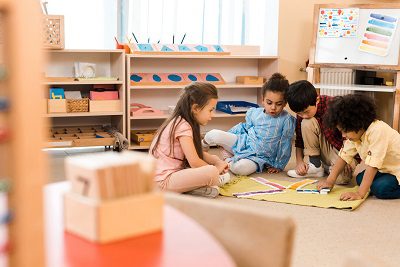
What Is The Montessori Method?
We, as parents, love to see our children become independent and self-sufficient as they grow and age. But sometimes, we may need help to get them to that point. We can do so by implementing the Montessori Method into their lives. Montessori emphasizes teaching children to be self-regulating and to be able to learn the concepts of independence. It is a great tool to help your children be more confident in their abilities. Indeed, independence is the best gift we can give to our children, as it enables them to be self-sufficient and know how to take care of themselves.
Today, we live in a time when there is a lot of pressure on children at home, school, or work. The idea behind the Montessori Method is to teach children that being themselves will give them the ability to succeed in life. Children need to feel confident, capable and become more independent so that they can defend their ideas, thoughts, and feelings against pressure from others. But the question now is how this Method helps children become independent. Well, that’s what you are going to learn in this article. But first, let’s understand what the Montessori Method is.
WHAT IS THE MONTESSORI METHOD?

It is an educational method that Maria Montessori developed. It has been implemented globally and has helped children develop learning skills for independence, self-regulating, and creativity. The Montessori Method uses a hands-on approach, where children learn through experiences to find their way of learning.
THE MONTESSORI METHOD WILL HAVE THE CHILDREN LEARN FROM THEIR MISTAKES AND ENCOURAGE THEM TO KEEP LEARNING, BECAUSE THEY ARE NOT PERFECT IN EVERYTHING.
How can the Montessori Method help your child to be independent?
The Montessori Method is designed to be flexible and adaptable to meet each child’s needs. It allows children to be exposed to different learning environments and solve problems by themselves. The Montessori Method emphasizes making lessons fun-filled and interesting to capture the child’s attention and develop their thinking skills.
Here are four ways that Montessori helps your child become independent:
ONE
The Montessori Method encourages children to become more independent, through a stress-free environment.
The Montessori Method is a great tool to help children become independent by giving them a stress-free environment. It helps children become less dependent, because they need not rely on parents or teachers for help. It teaches kids how to solve problems by themselves.
For example, when you are doing your work, it is certainly stressful to stop your work and ask for help from another person if you do not know how to do something. The Montessori Method teaches us that we must not stop what we are doing until we have finished it. It is an excellent tool to teach children how to do their work without disruptions, but to only stop if necessary. It teaches children that they only need to pause when they are stuck on something or need help.
TWO
The Montessori Method encourages children to learn how to solve problems.
Learning how to deal with problems is one of children’s most rewarding experiences. The Montessori Method gives children opportunities to learn on a broad scope of different topics to develop their problem-solving skills; they will not need to rely on others for help.
For instance, if a child is trying to understand how to use a slow cooker, he is expected to figure it out by himself. Even if you want to teach him how to use it, the child must remember what you taught him. The Montessori Method allows children to take an active role in their education and figure out most problems on their own. It seems easy at first, but doing this will develop their problem-solving skills and increase their independence.
THREE
The Montessori Method helps children become more respectful of their ability.
The Montessori Method positively impacts children’s self-confidence and self-esteem, because it helps them appreciate what they are accomplishing. It helps them become better learners by giving them more confidence in their learning ability. The Montessori Method is a great tool to encourage children to learn more about what they have and who they are.
For example, if a child is having trouble learning how to play the violin, it may affect her self-worth and self-esteem. Children may think that they cannot learn or do not have what it takes to become good violinists, so they give up. But the Montessori Method will have the children learn from their mistakes and encourage them to keep learning, because they are not perfect in everything. As a result, this will teach them how to accept their capability for learning new things.
FOUR
The Montessori Method helps children to be independent by reinforcing self-confidence.
The Montessori Method helps children become more confident by giving them opportunities to learn new things and feel proud about themselves when they accomplish something great. This Method gives children the opportunity to learn new things and achieve something great by themselves. Therefore, they are more confident in believing that they are independent, because they know how to solve their problems without depending on other people’s help.
For example, let’s imagine that your children decide to ride a unicycle for the first time.
They are not ready yet, but they still want to try. By doing this, they will understand that even though it is not easy, there is a way that they can overcome challenges with riding a unicycle and challenges in life. This develops self-confidence. As they learn how to approach new challenges, they will be able to do more and more for themselves.
HOW CAN PARENTS HELP ENCOURAGE CHILDREN’S INDEPENDENCE AT HOME?
We should encourage our children to be increasingly independent right from the start, but they need guidance and coaching. They need to learn the basics: proper hygiene and the daily habits of independent living when they are older. Help them learn to do things carefully with confidence.
Though more children today can be considered self-sufficient, learning through experiences and making mistakes will help them develop a sense of responsibility and become more self-reliant later in life. Even with care, mistakes happen. Let’s help them to learn from their mistakes with patience and calm.

If we allow our children to do tasks independently, we will witness steady growth in their capability.
For example, let children:
• Place foods on their plate: You can give them advice, but let children learn how to pick up and put things onto their plates.
• Wash their hands: You can talk with them about the importance of washing hands, but let them learn how to scrub, wash, and rinse themselves.
• Brush their teeth: This is another task you can do with your child but let them do it alone after you’ve given instructions on how to brush, what part of the mouth to use the toothbrush, and when to spit out afterward.
• Pick out clothes they want to wear: In case you don’t have enough time to lend a hand in picking, let your children select the clothes they wish to wear, once they have learned the basics of choosing outfits on their own, using simple instructions from you, such as, “Choose a shirt that has long sleeves.”
• Choose their toys: Let your children choose the toys they want to play with, but make sure you don’t allow them to play with dangerous items like knives or scissors.
These simple steps will help your child feel comfortable when they start to face challenges on their own and help them understand the importance of independent living.
Final Thoughts
Children develop their independence in different ways as they grow and learn about the world. The Montessori Method is an effective way for children to learn how to be independent with their own decisions and find new ways of solving their problems on their own. The Montessori Method is the best way for children to develop skills that will help them cope with anything they encounter. •

Andrea Gibbs was born, raised, and still lives in New York. She is a work-at-home mom with a background in business development, strategy, and social media marketing. She contributes to a blog at the Montessori Academy to motivate and educate other parents about how they can get their children ahead of the game in school. montessori-academy.com/why-the-montessori-method-works
I think my child is ready to move up to the next class… a year early!
Over the years, it’s quite common for parents to come to us to say that, since their child is so advanced academically, they worry that the class they are in now is not sufficiently challenging. It is not unusual for parents to ask the school to move them up a year early next term.
There’s no one response that schools offer, but I think there are a few things to consider.
Typically, parental fear of their child being disadvantaged by being the most advanced in a Montessori classroom is based on a misperception.
Unlike traditional schools, where the pace of education is based upon the norm of the class, the Montessori curriculum follows an international model rather than what is commonly taught in American schools. In general, Montessori programs are more sophisticated and individualized in many ways.
In the United States, in the first three grades (kindergarten through second grade), it is fairly common to teach children number recognition and simple mathematical operations with one or two-digit quantities. Math can be very abstract, and some children memorize answers but may or may not understand what they’re doing.
Likewise, with reading, many children are asked to read from simplistic texts or workbooks that have more to do with spelling and vocabulary than with really giving them a love of the written word, no less a desire to express themselves in writing.
While there is a real concern about math education in the United States, many students are not culturally literate in history, geography, economics, science, civics, and our cultural heritage found in the arts and literature.
Like most schools that follow European tradition, Montessori places a huge emphasis on what some people call the ‘cultural subjects.’ These topics include, science; technology; history; geography; international studies; the foundations of industry and trade; architecture; engineering; and so much more. Montessori’s breadth of curriculum tends to produce young people who have far more knowledge of their country’s history, government, and heritage than most Americans.
So, we have three basic issues. The first is that in Montessori, children don’t learn at a preestablished pace. They are not only able to choose the things that most interest them but to learn in ways that they find most appealing. Children are different. Some learn best by listening to someone else talk; others learn by observing, and many need to directly experience to understand and remember. There are so many variations in the way children learn, and it’s challenging to know what’s right for an individual child.
The second issue is that no teacher can work with each child every moment of the day. That’s the beauty of Montessori’s prepared learning environment. It allows children to find meaningful work without having to depend on a teacher telling them what to do throughout the day.
Another consideration is that most of us learn best not by simply receiving a lesson; repeated experiences along with the opportunity to help (or teach) other children solidifies the skill or concept. The best teacher of the typical student is usually not the adult with a master’s degree in education; rather, it is often other students who have a grasp of the material and are willing to share their understanding with a fellow student.
The third point is that a child who remains in a Montessori multi-age class is surrounded by other students (younger and older) who have their own gifts and talents to share. They stimulate each other. The beauty of the Montessori experience is that the class is a community, not simply a group of children who are focused on the lesson that the teacher happens to be giving. This ongoing set of relationships builds a sense of safety and security for most children, both with their peers and with the adults in their lives. As parents, we need to understand how incredibly valuable that is.
So, the trade-off to having a child move up a year early is not so much that the child will get lessons that they couldn’t get in the younger class, as much as that they would be moving up into a class, where the age range is going to be three or four years beyond their current level.
Every child is different and there are times when moving a child up early actually is worth considering. In my experience, I never followed a hard and fast rule. We always try to explore with the family why they feel this is a good idea? Here are some points parents and educators should consider:
• Is it accurate that the current class really can’t meet the child’s intellectual and academic needs?
• Do the parents feel a strong urge to push their child ahead more quickly? If so, why? What do they hope to gain? What are the pros and cons?
• Or is it fear that their child will miss opportunities that they would have at the next level?
These are all legitimate questions, but we must weigh them against the advantage of stable, continuing relationships. Having been one of those students, who was moved up a year early at one point along my journey, I found it difficult to be a year younger than the youngest child in the classroom. So, if you ever come to the conclusion that, perhaps, your child might do well to move up, try to really think it through with the school and weigh the pros and the cons.

Montessori is based on the idea that each child follows her own pace and that education is a journey, not a race.
Montessori classes are not only about academics. The focus is social and emotional, as well. While a five-year-old may be reading like a six-year-old, this same child may socially and emotionally be better suited to remaining in a class with familiar children. Being among the oldest and most advanced creates the possibility of becoming a leader. Don’t undervalue how wonderful that experience can be.
Montessori is based on the idea that each child follows her own pace and that education is a journey, not a race.
Other than saving a year’s tuition if your child attends a private Montessori school, there are few (if any) benefits for a child who finishes high school early. Beginning university younger than the other students in their class may again present same social, emotional, and academic challenges, depending on the student.
Appreciating Montessori’s ability to meet children at their intellectual level is one of the greatest gifts of Montessori education. I always recommend that parents follow their hearts, but I do advise every parent to be thoughtful and careful before leaping to a decision.
Try to find the best path for your child, and always remember that it’s important to ask them what they really want to do. Listen carefully to their reasoning. Sometimes the reasoning makes perfect sense; sometimes it doesn’t make any sense at all. Weigh your conclusions and follow your parental instincts. That’s all any of us can do. •
Faces of Normalization
Normalization is a term that Montessori teachers exhaust at the beginning of each school year.
“The children are normalizing.”
“Normalization is a delicate process.”
“We’re almost normalized.”
But what is normalization?
Dr. Montessori described normalization in this way: “And in these qualities of the child, she sees man as he ought to be: the worker who never tires, because what drives him on is perennial enthusiasm. She sees one who seeks out the greatest efforts because his constant aspiration is to make himself superior to difficulties; he is a person who really tries to help the weak, because in his heart there is the true charity which knows what is meant by respect for others, and that respect for a person’s spiritual efforts is the water that nourishes the roots of his soul. In the possession of these characteristics, she will recognize the true child, who is father of the true man.” (p. 257).
These are some of the faces of ‘normalization.’ The children are demonstrating independence, perseverance, repetition, and concentration to the exclusion of all the sights, sounds, sensations, and activity around them, because they have a greater task at hand. The children are constructing their own learning; they are shaping their own personalities; and they are building the adults that they are yet to become.

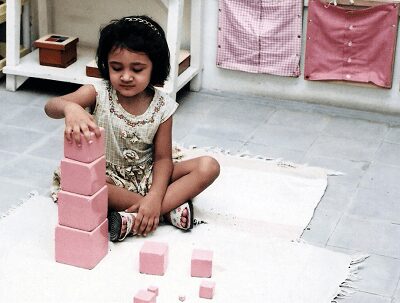
Anika places a large pink cube atop a small pink cube and the cubes fall. She removes the large cube and chooses another somewhat smaller cube. This cube also falls. She removes the small cube and replaces it with a larger cube. She places the smaller cube atop and, later, the smallest cube at the top of the tower. She sits back, observes her balanced tower, and her eyes sparkle as she smiles. one who seeks out the greatest efforts because his constant aspiration is to make himself superior to difficulties; he is a person who really tries to help the weak, because in his heart there is the true charity which knows what is meant by respect for others, and that respect for a person’s spiritual
To the onlooker, it appears that the children are cleaning, building, and working on skills. They appear to be manipulating letters, numbers, and tablets of color. They carry long red rods, stack pink cubes, and lug heavy brown pieces of wood to awaiting throw rugs. These observations are accurate; however, the process of normalization involves a great many skills, some that are visible and some that are less obvious. These children (and others like them) are learning, growing, and developing in a specially prepared environment that fosters the love of activity, concentration, self-discipline, and sociability. This process is facilitated by a sensitive adult, who has prepared the environment with order, consistency, warmth, and the removal of obstacles that could prevent this development.

Martin enters his classroom, says hello to a few friends, and walks directly to the shelf that contains the materials necessary for the parts of the tree puzzle. First he retrieves and unrolls his rug with attention to its position and smoothness. Then he gathers his puzzle and places it on the rug. He builds, disassembles and rebuilds his puzzle without fatigue, but with joyful energy.
Dr. Montessori’s discovery of the “secret of the child,” i.e., their hidden potential, had yet to be revealed and understood by adults. Dr. Montessori’s skills in observation and the circumstances that placed her in the company of children in need of a place to call their own (the slums of San Lorenzo, Rome) found a fertile place for the revelation to occur. She shared with her adult students at the second Indian Montessori training course, that the children came “undernourished, dirty, and uneducated.” “And these very small children, from three to six, did wonderful things. They had wonderful revelations. All these revelations of how to learn to write and to read by themselves at such a young age (and in the midst of joy) resulted in a transformation of their character.”

Liam is building the triangles with deep concentration. Somewhere in the room a tray falls, a child coughs, and an adult walks past. Outdoors a horn sounds and a truck rumbles past. Meanwhile, he continues the assembly of the triangles, the triangles that he has constructed many times before, without interruption.
Then and today, children enter Montessori settings with capabilities that suit them for the work and activity they will encounter. They bring bodies designed for purposeful movement, coordination, grace, and stamina. Their hands and senses serve them by allowing them to interact with and come to experience their environments. They are equipped with a mind that absorbs impressions from all around them; a mind that organizes, problem solves, adapts, remembers, is curious, is capable of long periods of attention and concentrates with little effort and without fatigue. When the body and the mind are satisfied, the true character of children is disclosed. They are peaceful, joyful, sociable, helpful, self-disciplined, satisfied, and their inquisitive and loving souls are made evident. ¢
REFERENCES
Association Montessori Internationale USA. (n.d.). “The first Casa dei Bambini: Montessori 150.” Retrieved December 2, 2021, from https:// montessori150.org/news/ first-casa-dei-bambini.
Montessori, M. and Claremont, C. A. (2019). The Absorbent Mind. Montessori-Pierson Publishing Company.
Dorothy Harman is an AMS Early Childhood credentialed Montessori guide. She holds a BA in Early Childhood Education and a M. Ed in Curriculum and Instruction with an Emphasis in Creative Arts. Dorothy Harman serves as a Montessori consultant and Adjunct Lecturer at the University of Nebraska- Kearney. She serves as a Field Consultant for the Center for Guided Montessori Studies and was a 2018 recipient of an AMS Peace Seed Grant. She is the author of Intentional Connections: A Practical Guide to Parent Engagement in Early Childhood and Lower Elementary Classrooms, published through Parent Child Press.

Science for Everyday — Student Assessment Question List
Student Assessment Question List: from “Science for Everyday; A Montessori Based Science Curriculum”
by Erin Galvin Gutierrez
Student assessment in the form of questions tends to be an effective tool. Some questions teachers may consider about students follow:
- Are they grasping the processes involved in the lesson?
- Are they able to carry out the lesson on their own?
- Can/do they help others with this lesson?
- Are they confident or timid?
- Do they have a positive attitude toward the lesson/science?
- Do they have an open mind toward the lesson?
- Are they very curious about the new material?
- Do they explore the new material, or just do as they were shown?
- Do they ask questions?
- Are they afraid to get their hands ‘dirty’, or do they jump right in?
- Do they avoid science?
- How much time do they spend in the science area?
The major process development skills that can be reasonably introduced to the three to six-year-old classroom include observation, measurement, classification, inference, communication, prediction, and recognizing a problem (Manitoba Department of Education and Training, 1991, p. 38-41).

Culture Comes Alive! Reinvigorating Culture and Peace Curriculums with Yoga, Music & Movement
Culture Comes Alive!
Reinvigorating Culture and Peace Curriculums with Yoga, Music & Movement
Are you a lead teacher looking for new ideas to spice up your culture circles and shelves? Are you intimidated by integrating music & movement into your classroom? Or are you are a music specialist/phys ed. specialist looking for new ways to marry your curriculum with the themes occurring in the Montessori classroom?
A message from Sarah:
This handout outlines some initial ideas for introducing shelf lessons and circle ideas to inject some cultural excitement into the exploration of the continents, zoology and peace education!
*** On my blog I have free printable card materials, lesson plans, songs, and yoga zoology stories that can be acted out during circle time! I hope these free resources somewhat make-up for the cancellation of this workshop.***
www.organicmontessorimom.blogspot.ca
Please check the blog often for free resources regarding yoga, music & movement for the Montessori Culture & Peace Curriculums. If you have any questions or need ideas regarding a specific topic please email me anytime:
Sincerely, Sarah Perritt
On the Shelves!
World Music Instruments
As part of the Montessori philosophy we strive to introduce the concrete before the abstract. Ideally we do the same when introducing instruments from other cultures. If your budget allows, you can gradually collect instruments from different continents over time. Here are some places to look:
• Global/music stores & websites:
o http://www.tenthousandvillages.ca/shop/en/75-musical-instruments
o http://www.worldmusicalinstruments.com
• Ask a willing parent/friend/family member who is going on a trip to bring back an instrument (I’ve asked parents to bring back the receipt so that I can reimburse them/ this may or may not work in your school environment so it is best to consult your administrators first)
• Festivals & markets
Instruments can be placed in a beautiful basket and placed on the culture shelf or floor. This works well as a one person activity on a work mat (to prevent instruments from rolling off a table). The initial presentation should be how to carry the instruments safely, place them gently on the mat, and how to create sound with them (shake, tap gently together etc.). This can be done individually or during group lessons or circle (see below “In Your Circles”).
The 3 Period Lesson can be used to introduce the names of the instruments.
Caution: I usually avoid putting wind instruments into the basket because they are just too tempting to blow into and if multiple children use them then germs inevitably spread. Avoid plastic instruments whenever possible to encourage handling with care and aesthetic appeal.
World Music Instrument Nomenclature Cards
You can introduce these 3-part cards in a number of ways. Have one set on your culture shelf at a time to correspond with your continent study. Use them for matching or sort them into their instrument families (percussion, string, wind). For an extra challenge continue adding sets of instrument cards as you study new continents and have the child sort the instruments by continent. Check above blog for free resource.
Yoga Pose Cards
This is a simple matching exercise. This lesson requires matching the picture of a child doing an animal pose to picture of the animal. Check above blog for free resource.
In Your Circles!
Music & Continent Ideas
World Music Mailbox
A fun way to add some excitement when introducing new materials during your culture or music circles! You can use a real mailbox (the sturdier option), make one out of cardboard, or you can sometimes find pre-designed ones that just need to be assembled from school supply retailers such as Scholar’s Choice, S&S Worldwide etc. Whatever choice you make just be sure it is big enough to fit a few items, such as a postcard & small instrument, and its even better if it has the red arm to signal new mail!
Children LOVE to get “mail” through the World Music Mailbox! There are endless possibilities here, but I will share some of my favourites with you!
1. Postcards: collect postcards (new or used) from countries and continents from around the world (you can ask your school community if anyone has any they are willing to donate). I use these postcards as a means to introduce new concepts to the children. The post cards are from a “Mystery Traveler” who sends us postcards from around the world… but we never find out who they are! The Mystery Traveler tells us about the music & culture of the place they are “visiting.” Sometimes I use the postcards to tell the children about a particular instrument or introduce a famous composer. The children enjoy hearing a quick postcard… but sometimes the Mystery Traveler sends something more concrete!
2. Instruments: there are many stores (such as Ten Thousand Villages) that carry small musical instruments from around the world. I have collected a few from each continent over time that fit wonderfully inside the mailbox. After reading the postcard the children ooh and ahh as I carefully take out each instrument and place it on the mat in front of me. At this point we learn the names of the instruments (never more than 3) and discuss what instrument family (percussion, wind, string) they belong to and why. I play the instruments for the children so we learn their sounds.
Extensions:
During future circles we play a guessing game where I play an instrument out of their sight (behind a piece of fabric for example) and the children try to guess which instrument made the sound. This can also be a small group activity during the work cycle.
Yoga, Zoology & Peace Education Ideas
You don’t need yoga mats to add yoga into your circles! If you do have yoga mats they are helpful for children to stay within a designated space. If you do not have yoga mats it may be helpful to begin yoga time with a quick discussion about the rules for keeping everyone safe:
1. The spot you choose is the spot you stay in. (Explain if everyone moves around this middle of the circle people can bump into each other and get hurt)
2. Hands to yourself. (Unless we are doing a special “partner pose” we keep our hands on our own bodies for yoga)
3. Listening ears on. (Just like every other circle ☺)
We open and close our circles the same way every time, creating a routine which the children become accustomed to.
We begin our yoga/movement circles by centering and calming ourselves. This ties in well with the Peace curriculum. We exaggerate the actions spoken in this poem and gradually increase the time we hold the silence over the year.
I cross my legs (uncross & re-cross legs)
I put my hands in my lap (raise hands, clasp them, set down in lap) I sit up veeeery straight (sit tall, roll shoulders up, back and down) I close my eyes (squint eyes closed)
I ask my mouth not to talk (shake head from side to side)
I take a deep breath (inhale & exhale)
And together we make silence. ~Author Unknown
Following our silence we begin our yoga story of the animal family we are studying. Depending on your class, you may find that after the opening poem may be the best time to do your zoology culture circle and then finish the circle with the zoology yoga story and poses, or the reverse. Sometimes the stories are fun & fictional and sometimes they have to do with the life-cycle of that animal.
Please check the blog for posts with free yoga stories and corresponding poses… or get creative on your own!
During my Montessori training with CGMS we were introduced to the beautiful Universal Greeting from the wisdom of Mahatma Gandhi. This is how we close our yoga circles together.
I Offer You Peace (palms up together with elbows bent, stretch arms forward)
I Offer You Love (palms to heart)
I Offer You Friendship (hands clasped in front of chest)
I See Your Beauty (cover eyes with both hands, open hands to reveal eyes)
I Hear Your Needs (cup hands behind ears)
I Feel Your Feelings (cross arms over chest, hands rest rear shoulders)
My Wisdom Flows From the Highest Source (left hand palm up at chest, right palm up at head move hand from head down to join left hand)
I Salute that Source in You (both palms together in prayer position at chest, bow head slightly)
Let Us Work Together for Unity and Love (gently hold hand of person next to you)
While we are holding hands in our circle we send a gentle “friendship squeeze” around the circle to remind us that we are all connected and part of a special classroom community. I generally take this time to acknowledge each child.
“Each one of you is very special. There is no one in the world exactly like you! Our class would not be the same if one of you was missing. We are so lucky to have Anna here, and Rowan, and Liam and … each of you is an important part of our community!”
Be sure to make eye contact and give a smile to each child as you acknowledge them.
The final thing to remember is that YOU ARE AMAZING! It takes a special type of individual to guide children with such care. Your enthusiasm for the Montessori curriculum is contagious. If you are excited about what you are introducing to the children they will be too! I hope some of these ideas become classroom favourites or inspire you to create your own. Please contact me anytime with any questions or to share new ideas!
Best Wishes, Sarah Perritt
Sample Study Guide for Secondary Students
Upper School Study Guide
Student ______________________
Week of ________________
Science ____________
Skills and knowledge_________________________________________________
_____________________________________________________________________
_____________________________________________________________________
Lessons and experiences _____________________________________________
_____________________________________________________________________
_____________________________________________________________________
Assignments _________________________________________________________
_____________________________________________________________________
_____________________________________________________________________
Math __________________
Skills and knowledge_________________________________________________
_____________________________________________________________________
_____________________________________________________________________
Lessons and experiences ______________________________________________
_____________________________________________________________________
_____________________________________________________________________
Assignments _________________________________________________________
_____________________________________________________________________
_____________________________________________________________________
Humanities
History
Skills and knowledge_________________________________________________
_____________________________________________________________________
_____________________________________________________________________
Lessons and experiences _____________________________________________
_____________________________________________________________________
_____________________________________________________________________
Assignments _________________________________________________________
_____________________________________________________________________
_____________________________________________________________________
Economics
Skills and knowledge__________________________________________________
______________________________________________________________________
______________________________________________________________________
Lessons and experiences ______________________________________________
______________________________________________________________________
______________________________________________________________________
Assignments _________________________________________________________
_____________________________________________________________________
_____________________________________________________________________
Cultural and physical geography
Skills and knowledge__________________________________________________
______________________________________________________________________
______________________________________________________________________
Lessons and experiences ______________________________________________
______________________________________________________________________
______________________________________________________________________
Assignments __________________________________________________________
______________________________________________________________________
______________________________________________________________________
Current Events
Skills and knowledge__________________________________________________
______________________________________________________________________
______________________________________________________________________
Lessons and experiences ______________________________________________
______________________________________________________________________
______________________________________________________________________
Assignments __________________________________________________________
______________________________________________________________________
______________________________________________________________________
Civics
Skills and knowledge__________________________________________________
______________________________________________________________________
______________________________________________________________________
Lessons and experiences ______________________________________________
______________________________________________________________________
______________________________________________________________________
Assignments __________________________________________________________
______________________________________________________________________
______________________________________________________________________
English
Composition
Skills and knowledge__________________________________________________
______________________________________________________________________
______________________________________________________________________
Lessons and experiences ______________________________________________
______________________________________________________________________
______________________________________________________________________
Assignments __________________________________________________________
______________________________________________________________________
______________________________________________________________________
Research skills
Skills and knowledge__________________________________________________
______________________________________________________________________
______________________________________________________________________
Lessons and experiences ______________________________________________
______________________________________________________________________
______________________________________________________________________
Assignments __________________________________________________________
______________________________________________________________________
______________________________________________________________________
Literature and poetry
Skills and knowledge__________________________________________________
______________________________________________________________________
______________________________________________________________________
Lessons and experiences ______________________________________________
______________________________________________________________________
______________________________________________________________________
Assignments __________________________________________________________
______________________________________________________________________
______________________________________________________________________
Language B _______________
Skills and knowledge___________________________________________________
______________________________________________________________________
______________________________________________________________________
Lessons and experiences _______________________________________________
____________________________________________________________________
____________________________________________________________________
Assignments _________________________________________________________
____________________________________________________________________
____________________________________________________________________
Visual and performing arts
Skills and knowledge________________________________________________
____________________________________________________________________
____________________________________________________________________
Lessons and experiences ____________________________________________
____________________________________________________________________
____________________________________________________________________
Assignments ________________________________________________________
____________________________________________________________________
____________________________________________________________________
Philosophy and ethics
Skills and knowledge________________________________________________
____________________________________________________________________
____________________________________________________________________
Lessons and experiences ____________________________________________
____________________________________________________________________
____________________________________________________________________
Assignments ________________________________________________________
____________________________________________________________________
____________________________________________________________________
Human relations and conflict resolution skills
Skills and knowledge________________________________________________
____________________________________________________________________
____________________________________________________________________
Lessons and experiences ____________________________________________
____________________________________________________________________
____________________________________________________________________
Assignments ________________________________________________________
____________________________________________________________________
____________________________________________________________________
Leadership training and cooperative teamwork skills
Skills and knowledge________________________________________________
____________________________________________________________________
____________________________________________________________________
Lessons and experiences ____________________________________________
____________________________________________________________________
____________________________________________________________________
Assignments ________________________________________________________
____________________________________________________________________
____________________________________________________________________
Health and physical education
Skills and knowledge________________________________________________
____________________________________________________________________
____________________________________________________________________
Lessons and experiences ____________________________________________
____________________________________________________________________
____________________________________________________________________
Assignments ________________________________________________________
____________________________________________________________________
____________________________________________________________________
Recommended Montessori Materials for ages 6 to 12
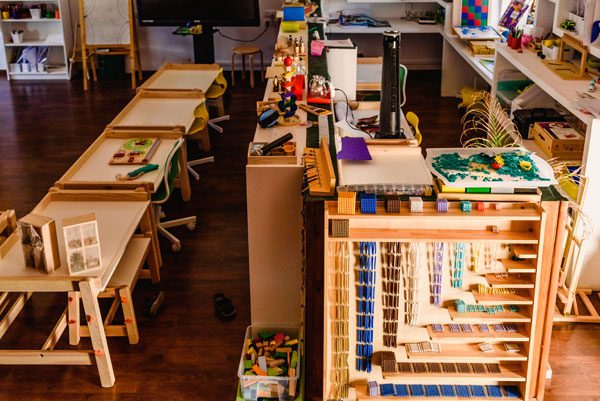
List of Recommended Montessori Materials for an Elementary Class
This is an Adobe Acrobat PDF file with a detailed list of the Montessori materials recommended by the Montessori Foundation for an elementary class for either ages 6 to 9 or 9 to 12.
[pdf-embedder url=”https://stage.montessori.org/wp-content/uploads/2021/09/List-of-Recommended-Montessori-Materials-for-an-Elementary-Class-1.pdf” title=”List-of-Recommended-Montessori-Materials-for-an-Elementary-Class”]
Montessori Curriculum Theory Workshop
Sharon Caldwell and Hillary Drinkell presented this Power Point at the 2013 IMC conference.
Montessori Curriculum Scope and Sequence
This is a very useful document developed by the Montessori Foundation and included for IMC member reference. An even more robust version of this scope and sequence has been aligned to the Common Core State Standards and is exclusively available as part of Montessori Compass, an excellent Montessori student record keeping solution (www.montessoricompass.com)
[pdf-embedder url="https://stage.montessori.org/wp-content/uploads/2023/07/Montessori-Curriculum-Scope-and-Sequence-Science.pdf"]

Cosmic Education Resource Page
Begun by Sharon Caldwell
NOTE TO THE READER: This page is a work in progress. I will continue to update it as I find more resources and information. Please email me at sharoncaldwell@montessori.org with suggestions and requests. Please also check out the Cosmic Education section in Links. Most of my favorite links are there and may not be duplicated in this article.
We must be careful not to fix the details of the Great Lessons so that they become so precisely accurate that they become mere catalogs of facts. The need to remain stories of inspiration. We as teachers need to be clear that these Lessons must set the children’s hearts and minds on fire. This is our first priority. As the children break off from the Great Lessons to do research, there they will find the facts. – Robyn – Montessori-L discussion Group
Theory of Cosmic Education:
The AMI elementary trainers are unanimous in saying that we should present all the Great Stories within the first 2 – 6 weeks of the school year and that there should be no follow-up work assigned. – John Snyder, Austin Montessori School. (in an email to Montessori-L discussion list).
If the children are not doing spontaneous follow-up work it means they aren’t inspired – the teacher must then work out why her lessons are not exciting the children. It is also OK if some children do not do follow-up work. They are hearing the stories and also hearing discussions that lead from them as the teacher continues to unpack the stories as the year progresses. The stories are not meant to “teach” factual knowledge but rather to evoke a sense of wonder and a deep appreciation of the interconnectedness of everything. They are intended to spark an understanding of the Cosmic Task of Man.
Cuevas, Eduardo J. G. Liberty: Spiritual Freedom and Moral Responsibility. 25th International Montessori Congress Papers.
Duffy, M & D. Cosmic Education in the Elementary Classroom, Parent Child Press, 2002.
Grazzini, Baiba Krumins, “The Role of the Disciplines for Cosmic Education”, Communications 2006/1, 64 – 74.
Hayes, Mary Montessori’s View of Cosmic Education, 25th International Montessori Congress Papers.
Hilson, Patricia. Laying the Foundations for Cosmic Education in the Child 3 – 6 Years.
Montessori, Maria. To Educate the Human Potential. – Especially important is the first essay: “The Six Year Old Confronted with the Cosmic Plan.”
ORIGIN OF THE UNIVERSE
Some Great Books to inspire extensions from First Great Lesson:
Wikipedia History of Earth is a good place to start looking for info.
The Authors, How To Create a Flawless Universe in Just Eight Days, Godfather Publications, No Location, 597b.
– Yes, this is a real book – but written with tongue firmly locked in cheek. 6 – 12s really enjoy it.
STORY OF LIFE
PHOTOSYNTHESIS
www.naturedetectives.org.uk – Why leaves change colour. Good explanation of photosynthesis.
For a more detailed explanation of photosynthesis
CLASSIFICATION OF LIVING THINGS
Parallel to the story of life you begin to explore Classifications/Taxonomy. Depending on the background of your students you can start off with simple “Who am I?” activities to extend exposure to the natural world – either using objects (shells, etc.) or model animals (must be realistic) or picture cards. With children who are reading, you can use “First Stories” which combine short descriptive paragraphs with names and pictures of plants and animals.
Bang, Molly and Chisholm, Penny. Living Sunlight: How Plants Bring the Earth to Life. Blue Sky Press. 2009. [Recommended by Priscilla Spears.]
THE STORY OF HUMANS
www.handprint.com – This is one of my favorite teacher resource sites, although older children enjoy it too. I love it especially because it highlights the hand-brain connection so integral to Dr. Montessori’s thinking.
Human Migration:
THE STORY OF WRITING
A simple version of the story with nice clear graphics that can be hand-drawn on a whiteboard while telling the story: http://www.moteaco.com/albums/greatlessons/story4.html
For more detailed lesson plans see Miss Barbara: www.missbarbara.net/thehistoryofwriting.html
Simple, uncluttered printable timeline: http://www.moteaco.com/albums/writing.html
Human History Timelines:
Christ as the center of human history – see www.montessoriforeveryone.com for a free download timeline. The instructions include some interesting information on dating. NOTE: This is a resource developed by Montessori educators of that faith. The same strategies can be used in many other ways
Recently Viewed Products
Featured
-
 Montessori Family Alliance School Group Membership (Print & Digital 2026 1/2 year pricing)
Original price was: $30.00.$15.00Current price is: $15.00.
Montessori Family Alliance School Group Membership (Print & Digital 2026 1/2 year pricing)
Original price was: $30.00.$15.00Current price is: $15.00.
-
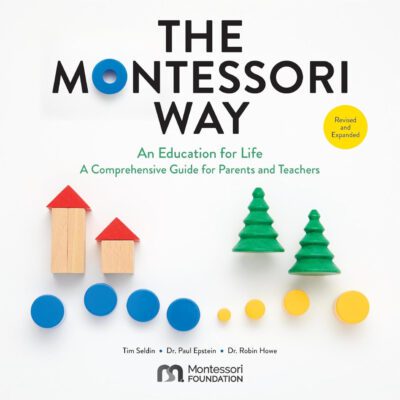
The Montessori Way, Revised and Expanded: An Education for Life; A Comprehensive Guide for Parents and Teachers
$25.00
-
The Montessori Child: A Parent's Guide to Raising Capable Children with Creative Minds and Compassionate Hearts (The Parents' Guide to Montessori)
$20.00
-
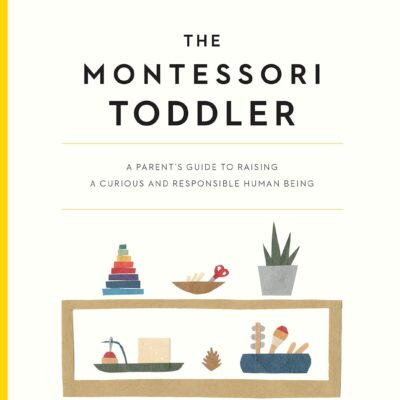
The Montessori Toddler: A Parent's Guide to Raising a Curious and Responsible Human Being (The Parents' Guide to Montessori)
$20.00
-
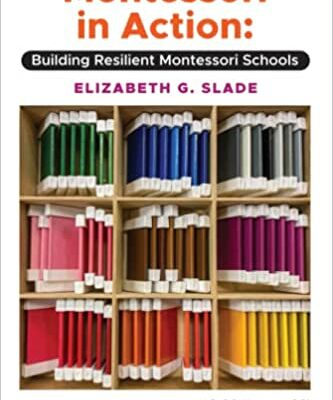
Montessori in Action: Building Resilient Montessori Schools 1st Edition
$29.95