by Jocelyn Bell Swanson, MEd | Adolescence, Montessori Administrators, Montessori Middle School, Montessori Secondary / High School, School Leadership, The International Montessori Council, Webcasts / IMC
Jocelyn Swanson, Director of Secondary Teacher Education at the Center for Guided Montessori Studies, discusses best practices in Montessori middle school programs. If you have or are considering adding a middle school program this webcast is for you! Bring your questions and consider the possibilities for your program.
by Frederic Luskin PhD | Emotional Intelligence (EQ), Emotionally Healthy Children, MFA, Montessori Administrators, Montessori Family Life, Montessori Parenting, Montessori Teachers, Parent Education, Peace Education, Psychology, School Leadership, Social Justice, Social Media, The International Montessori Council, Video
Dr. Fred Luskin founded and currently serves as Director of the Stanford University Forgiveness Projects. He is also Senior Consultant in Health Promotion/Wellness at the Stanford University Health Center and Department Chair in Clinical Psychology at Sofia University. At Stanford, Dr. Luskin teaches classes on Positive Psychology, The Art and Science of Meditation, Forgiveness, Wellness, Flourishing, and The Psychology of Storytelling to undergraduate and graduate students. He also conducts numerous workshops and staff development trainings in relationship enhancement, stress management, and positive psychology through the Stanford Be Well program. Dr. Luskin is the author of the best-selling books Forgive for Good: A Proven Prescription for Health and Happiness and Forgive for Love: The Missing Ingredient for a Healthy and Happy Relationship. Dr. Luskin has been interviewed on the topic of forgiveness in worldwide media including the New York Times, O Magazine, the Today Show, Los Angeles Times, Time Magazine, The Huffington Post, and CBS Morning News. He is also the author of Stress Free for Good: Ten Scientifically Proven Life Skills for Health and Happiness, a book that emerged from his 10 years as a researcher in preventive cardiology at the Stanford University School of Medicine. His work demonstrated the effect of enhancing stress management and positive emotion skills to help patients cope with congestive heart failure and arrhythmia. Dr. Luskin teaches stress management, emotional intelligence, and happiness skills to corporate clients throughout the United States. His work focuses on the research proven triad of a healthy and happy life: enhancing interpersonal relationships; creating a positive purpose in life; and guided practice in appreciation and other positive emotions.
by Dr Val Wise | MFA, Montessori Administrators, School Leadership, Social Justice, The International Montessori Council
Dr. Valaida L. Wise (Val) is an educational consultant and adjunct professor at Johns Hopkins University in Baltimore, MD. An educator for more than 20 years, Val received a Bachelor’s degree in developmental psychology from Syracuse University, an M.A.T in early childhood education with a Montessori emphasis from Trinity College, Washington D.C., and holds a doctorate in Educational Leadership from George Washington University. A recent Brava award winner, Val has lectured nationally and internationally, most recently on the topics of early childhood education, Montessori education, leadership, and diversity. She has presented at a variety of national conferences including the National Association of Independent Schools (NAIS). Val has written several articles on educational leadership in early childhood as well as Montessori education. Her most recent article: A Critical Absence in the Field of Educational Administration: Framing the (Missing) Discourse of Leadership in Early Childhood appears in the International Journal of Educational Leadership Preparation. She is a trustee on several professional and independent and charter school boards. Val is married with three children.
by Dr Val Wise | Emotionally Healthy Children, Montessori Administrators, Montessori Teachers, School Leadership, Social Justice, The International Montessori Council, Webcasts / IMC
Valaida Wise, Ed.D shared her expertise about social justice and equity in Montessori schools. Val will help us understand why “placing equity at the center of our practice is more than just making sure that our communities are diverse.”
by Lorna McGrath | Montessori Administrators, Montessori Education, The International Montessori Council
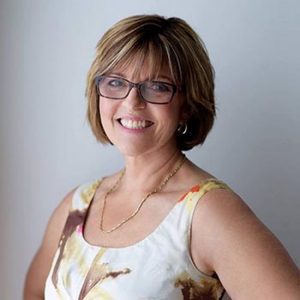 Hillary Drinkell has been involved in Montessori education for over 30 years. From her early days of being a Montessori primary and elementary classroom teacher to a Dean, Head of School, Accreditation Director, Accreditation Commissioner, and Montessori consultant, she has come to understand and truly believe that the Montessori Method is the best method of education for all children.
Hillary’s journey started when she and her husband enrolled their two-year-old daughter into a Montessori program in Japan. As she has a background in psychology, she fully understood the developmental nature of the Montessori Method and was incredibly impressed with their daughter’s experience at the school. In fact, Hillary told her husband, “I won’t move to the USA unless there is a Montessori program close to where we are slated to move.” All things aligned and there was an amazing early childhood program 10 minutes away from their new home. Being new to the country, she decided to spend her time volunteering at the school and, of course, one thing led to another. Eventually, Hillary came away with training in early childhood and then went on to get the elementary level diploma. She consolidated her training by obtaining an M.Ed. with an emphasis in Montessori Education.
While working in Florida at NewGate School as the Dean of Elementary, the Head of School tasked her with the school’s re-accreditation process—something that she had never been involved in before. To start off, it was very challenging, but with much research and conversations with others who’d had experience in the area, Hillary became well-versed in all things to do with accreditation. She was also very impressed that private, independent Montessori schools had the option to become accredited as a means of holding themselves accountable to the highest standards possible. She is pleased to say the school did attain its re-accreditation that year and by then, she had offered her services to volunteer as an onsite validator with IMC.
When the Montessori Foundation became involved with NewGate School again, Hillary was asked to join the Montessori Foundation. Because there was what is called a ‘substantive change’ at the school, she was again tasked at ensuring the school’s accreditation was maintained. It was during this time that she mentioned her idea of updating the IMC accreditation procedures. She became very involved in starting the re-write of what has evolved, thanks to many Montessorians’ input and expertise, into the new standards that the IMC has today. She then became the Accreditation Director for the IMC, a role that she loved and is still so passionate about. Helping schools through the accreditation journey led to becoming an accreditation co-chair commissioner with the IMC. Hillary said, “It is my pleasure and honor to serve with other dedicated Montessorians who are as passionate as I when it comes to helping schools attain accreditation while maintaining high standards of Montessori practice in their schools.” ′
ML/ August 2019/ pg 40
by International Montessori Council Staff | IMC Teacher Education, Montessori Administrators, Montessori Charter Schools, Montessori Education, Montessori Teachers, The International Montessori Council
The original mission of the International Montessori Council (IMC) did not include teacher education. In fact, IMC existed for many years without any affiliated teacher education programs. The IMC’s main focus in those early years, and still today, is creating an open-minded and open-hearted Montessori organization.
Eleven years ago, that mission expanded with the approval of the first IMC affiliated Montessori Teacher Education Program, The Center for Guided Montessori Studies (CGMS). Forging this new path was not done casually. The IMC Board had the wisdom to recognize the need for Montessori teacher education to adapt to the technological and educational trends budding in the 21st century. As a result, IMC and CGMS have paved a path for hybrid Montessori teacher training that blends online with short residential/ face-to-face training; a trend that is now finding acceptance in other Montessori organizations.
Continuing in the direction of innovation, the IMC Teacher Education Standards have been designed to encourage programs to find creative ways to meet the needs of learners without sacrificing the quality of course content. The academic hours, for example, are significantly higher than required by the Montessori Council for Teacher Education (MACTE) or other organizations, but there is much more flexibility for course delivery format. This means that the required hours can be met through a variety of meaningful learning activities, with a balance of on-campus, online, and independent study projects.
Montessori is about so much more than materials. For this reason, IMC requires all programs to have a plan for ongoing reflection and discussion of course topics. These discussions are part of the academic hours and can take place in person or virtually. Helping adult learners grasp the significance of Montessori philosophy and how to support the development of children requires deep study. We can’t just leave this to chance. We need to guide adult learners through a process of discovery, and this requires time to read, reflect, and share. Modern technology provides many opportunities for ongoing contact, support, and meaningful dialog, through online discussion groups and video conferencing. These kinds of activities enrich the teacher education program and provide a higher level of support for the learner as they travel their Montessori path. IMC is ready to support teacher education programs in developing these strategies to better serve their learners and better prepare the next generation of Montessori teachers.
Whether a teacher education program is in its infancy and early development stages, or is an established independent program, or even affiliated with another organization, we hope you will look at what the IMC has to offer. The IMC is more than just another Montessori organization, we are a community with a network of passionate Montessorians always ready to offer friendship,
coaching, and support.
As an international organization, IMC can offer teacher education affiliates global recognition. Programs will be able to submit news and feature articles for Montessori Leadership magazine. The newly developing teacher education section of the IMC website will list all affiliate teacher education programs with links to the TEP website. Every affiliate program will get
a seat on the IMC Teacher Education Committee, where everyone’s input
is welcome.
IMC is a strong supporter of MACTE. As such, all IMC teacher education affiliates must obtain MACTE accreditation. The process of adding IMC as your affiliating organization is fairly simple. IMC standards match up closely with MACTE guidelines with only a few requirements needing special attention such as the additional academic hours, and additional years of experience required for instructors. We have also kept the IMC affiliation and adult learner fees low so that programs can afford to have an organization on their side.
Recognizing the increasing demand for well-prepared Montessori teachers worldwide, IMC is committed to supporting new and existing teacher education programs expand their reach. As we grow with more teacher education affiliates, IMC plans to offer professional development instructor training opportunities for teacher educators. We look forward to growing and learning as a united Montessori community. We all get stronger when we work together. ′
For more information and a copy of the IMC TEP Standards and Guidelines for Affiliation, email Kitty Bravo, IMC Teacher Education Chair at kbravo@guidedstudies.com.
ML/ August 2019 / Pg 41
by Tim Seldin | Montessori Administrators, Montessori Education, Montessori Teachers, School Leadership, The International Montessori Council
Tomorrow’s Child, v10 #5 Pages: 27 Date: 2002
by Lisa Wagoner
The Montessori School of Winston-Salem, North Carolina
Is my three-year-old too young to stay in the classroom all day?
Like Old Mother Hubbard with no more room in her shoe, our school was filled with children who had different schedules and locations after our lunchtime. Our school in Winston-Salem, North Carolina had grown to five Primary classrooms; each filled with over twenty children. After lunch, we sometimes resembled an orderly train station, with children going to different rooms based on their napping needs. The five and six year olds remained in their classroom until 3 p.m., experiencing what we called Extended Day, working on the more complex lessons and building upon what they had worked on in the morning.
Photograph by Kristi Antczak
Several times, the children would cry as they left their Montessori teacher and their classroom environment. “Why can’t we stay with you?” could be heard in the hallways as the teachers led them to their next classroom.
The five and six-year-olds in the classroom also felt a loss. While they reveled in being the oldest children in the class, they did not always enjoy having the classroom all to themselves in the afternoon. They missed their younger friends. This kind of afternoon had been our standard operating procedure—how would things change?
“What do Montessori children do all day? Simple. They do what they feel like doing, within the same reasonable limits that define the culture of the classrooms in the morning. When they are hungry, they eat. When tired, they sleep. They may read, write, paint or draw. They may work in the garden, watch the wildlife that surrounds the classrooms, They continue with their math, science, history or geography. They cook, clean, and explore the sensorial materials. They work alone or with a friend as they wish.” Tim Seldin
The time came for planning the next school year—and with it, the knowledge that more children would be joining our classes. Change is hard, but something had to be different. So we asked these questions:
- What are the needs of the majority of our families?
- What would it be like to have the children in our classroom after lunch?
- How long should they stay after lunch?
- What about those children who needed to rest?
- If they slept through the afternoon, what would be the point of staying in the classroom?
- Are three-year-olds ready to stay in the classroom all day?
- Is staying in their classroom until 3 p.m. too long a day for them?
A few months earlier, I had something astounding happen, something that brought tears to my eyes and led to the discussion of All Day Montessori being a possibility at our school. I had my “Extended Day” children in the classroom after lunch. After lunch was eaten, the children normally rested for a bit, reading or relaxing until we began the afternoon work cycle. One of the children had fallen fast asleep, and without my saying a word, the other children got up and began to find work, reminding each other to be quiet, so as not to disturb their sleeping classmate. They did this for over an hour, and I had no problem with that child sleeping for that length of time since she had seemed tired and out of sorts all morning. I marveled at what had transpired. Isn’t this what being in a Montessori classroom was supposed to be about? Real-life situations, caring for others, respect for others, concern about others’ well being?
The Montessori Foundation recommends that “schools organize themselves to provide Montessori all-day programs in the same environment—with Montessori guides—to achieve the level of concentration and educational gains that we read about in Montessori but so rarely see in practice these days.” (Organizing a New Montessori School, p. 143, Montessori Foundation, 2000)
We looked at the needs of the families in our school and found that the majority needed their children to be at our school until 3 p.m. The decision was made to offer a Montessori program from 8:30 p.m. until 3 p.m., with before and after school care offered in addition to that time period. Some children will be going home at noon, but the majority of children will stay and eat lunch, rest, and begin another work cycle until 3 p.m.
At first, some parents were not happy with the schools’ decision to change the program, so we offered an evening question and answer session to discuss their concerns. The Primary teachers discussed their excitement over having the children remain in the classroom after lunch. Some concern was expressed over how the upcoming “Extended Day” students would fit into this new schedule without the tradition of “Extended Day” time in the afternoon. The teachers answered the questions honestly and sincerely, discussing some ideas and plans they were planning to implement. It was a satisfactory meeting for all those involved; several parents commented later that they could tell we had their child’s needs foremost in our decisions, and they were willing to stay in our school and give the program a try.
We believe that an All Day Montessori program should be homelike with the real sense of community that occurs when children really live together within one group that stays all day. Children are challenged to do work with a greater range of choice and fewer pressures of time, including the opportunity for two full work cycles. The all-day Montessori program takes advantage of longer hours, allowing the child to exist at the natural pace very close to that of the home environment.”
It is my hope to share with you our journey as we begin this new program. Another article will be written mid-year to see how we are progressing, and a final one will discuss the overview of our year and how it progressed. Is an All Day program right for your school and the needs of the families? Our staff is firmly committed to this program and strongly believes it will best fulfill the needs of our families.
Join us in our journey, and perhaps you will consider a change to an all-day program for your school as well!
Want new articles before they get published?
Subscribe to our Awesome Newsletter.
by Marc Seldin | Montessori Administrators, Re-enrollment, School Leadership, The International Montessori Council, Webcasts / IMC
On January 16, 2015, Marc Seldin spoke about Strategic Tuition Pricing for Nonpublic Montessori Schools
How to set your tuition is one of the hardest, and most important decisions you will make as a school head. Should you set your tuition to be in line with competitors? Should you charge a premium for the quality your school offers? Should you figure out your costs first?
Marc gave a great presentation and led a discussion of alternate pricing techniques.
Together we explored why a one-size-fits-all approach does not work and outline the factors that every school head should consider when setting tuition.
by Kathy Leitch | Montessori Administrators, Montessori Charter Schools, Montessori Education, Planes of Development, School Leadership, The International Montessori Council
Dear IMC Members:
We begin 2019 having completed 20 years of the International Montessori Council’s presence and impact in the Montessori community! As I look forward to the next 20 years, I wonder what the state of Montessori education will be 20 years hence. Will we continue to build bridges across schools, organizations, and pedagogies? Will research continue to support our theory and practices? Will we be able to stay relevant, meet the increased need for highly qualified Montessori educators and leaders and stay true to Montessori’s legacy for the humanity?
The International Montessori Council was founded in 1998 on the principle of equity, a circle of equals, welcoming all Montessori tribes and traditions. We have made great strides in coming together with one voice as a Montessori community, creating innovative and relevant teacher education programs, creating research consortiums, and supporting the phenomenal growth of schools in the USA, as well as around the world.
Over the past year, as your Executive Director, I have had the opportunity to meet with many members, listen to your needs, and share your passion for children, schools, and the future of humanity. I’ve visited some of our accredited schools and represented IMC at international, national, regional, and local conferences and symposiums. You have let me know (through personal conversations, emails, surveys, and webcasts) that you appreciate IMC’s accessibility, responsiveness, and personal touch. We appreciate you! Your support for your professional organization is what makes IMC successful. You have offered to help with projects, volunteer in a variety of capacities, and contribute your expertise and wisdom to mentor others. This community of caring engagement is what I love about the IMC.
Recently, our board of trustees engaged in a process of strategic planning. We appreciated and reflected on the past 20 years as we envisioned the future. Although we cannot predict where we’ll be in 2038 as an organization, we can dream, hope, and plan for a future that continues to serve students, families, educators, and leaders. Our time together resulted in four strategic domains:
1. Strengthen our governance, finance, and internal systems to ensure sustainable growth.
2. Develop an array of meaningful and responsive services aligned with our core values to attract, retain, and increase our membership.
3. Lead educational innovation with a unifying voice, impacting education, families, and Montessori worldwide.
4. Embrace inclusivity, seeking to understand and embody the principles and practices of social justice, restorative practice and conflict resolution, encouraging Montessori’s vision of peace throughout the world.
With your help, these domains will allow us to prioritize our work and bring our dreams to reality. If you are interested in collaborating with our team on any one of these domains, please contact me at kathyleitch@montessori.org. I often say a membership organization is only as good as what the members are willing to contribute of themselves. If I’m correct, we are quite fortunate, as my experience with our members is that you are all in!
Thank you for your continued support and engagement with the International Montessori Council. We continue to be inspired by our mission “unifying a worldwide network of Montessorians dedicated to nurturing the human spirit of those seeking a peaceful world through the education of children using the Montessori method, because we believe in
Montessori’s transformative powers.
All my best,
Kathy Leitch,
Executive Director, IMC
ML / 2019 / Pg 4
by Christine Lowry | Children with Exceptionalities, Communication, Empowerment, Infant-Toddler (0 to 3), Kindergarten, Later Adolescence (15-18), Lower Elementary (6-9), Mixed Ages, Montessori Administrators, Montessori Education, Montessori Middle School, Montessori Secondary / High School, Montessori Teachers, Planes of Development, Primary (3-6), Sensorial, The International Montessori Council, Upper Elementary (9-12), Young Adolescent, Young Adults
The numbers of students with a variety of behavior and learning challenges are on the rise. In both Montessori and traditional schools and classrooms, school leaders and classroom educators are asking for the knowledge, understanding, and skills they need to support these students.
The current trend in special education is serving children in inclusive classrooms; data indicates that approximately 65 percent of students diagnosed with a special need are being served 85 percent of the time in the regular classroom. Research shows that an inclusive classroom that guides each student on a path of meaningful learning and social-emotional growth benefits all students.
How do we as Montessori educators create a school-wide, inclusive community and still provide a high- fidelity Montessori education to all students? A Montessori-Based Multi-Tiered System of Support (MTSS) is one framework that might be an answer.
As the body of research on child development and learning increases, the field of special education continues to evolve in ways to support students with challenges in behavior and learning in
inclusive classrooms.
A brief history over the past twenty years traces this evolution:
1997 Reauthorization of the Individuals with Disabilities Education Act (IDEA) includes Positive Behavior Interventions and Supports (PBIS).
2001 Pyramid Model: A model to promote positive emotional and social growth and specific interventions for challenging behaviors.
2004 Response to Intervention (RtI) as an alternative model for identifying students with specific learning disabilities. The framework was expanded to include all students.
2010 Prevent-Teach-Reinforce Model for a standardization of the PBIS model.
With the reauthorization of the Elementary and Secondary Education Act, renamed Every Student Succeeds Act (ESSA), PBIS and RtI were dropped and replaced with the Multi-Tiered System of Support framework. ESSA allocates Title I, II, and IV funds to implement this framework at the state, district, and school level.
A most recent analysis of MTSS suggests the importance of linking behavior and learning; the interdependence of classroom management and instruction; a “prevention vs. response” framework focusing on success strategies to minimize challenges; individualized supports based on formative assessment, and monitoring progress to adjust and “fade-out” specific intervention.
A MTSS framework starts with the best universal practices, an intentional teaching of social skills, and specific Individualized Behavior Support plans. MTSS is “label” independent, research-based, and is a prevention vs. response model.
In a Montessori-Based Multi-Tiered System of Support, we can think of these
tiers as:
♣ Tier One Prepare
♣ Tier Two Manage
♣ Tier Three Guide
A Montessori-Based MTSS framework stays true to our best practices based on Montessori philosophy and pedagogy. It is school specific for large, small, public, charter, and independent schools with an implemented framework that is doable, manageable, and beneficial at all levels. It focuses on the whole child.
As Montessori educators, we begin our tasks with reflection. To successfully support all students, we look at our beliefs and assumptions. Some of the assumptions we make in special education are:
♣ All children are unique individuals with strengths and challenges.
♣ All children want to be respected, accepted, and to belong.
♣ Behavior is communication of a need.
♣ Behavior and learning cannot be separated.
♣ There is no single ‘cure’ or model for categories of special needs.
♣ A child is not a label and is not disabled, or disordered.
♣ Behavior can change.
♣ Best practices benefit all children.
♣ Inclusion classrooms benefit all children.
A Montessori-Based-Multi-Tiered System of Support
Tier One: Prepare
As Montessori educators, we know how to prepare an environment for the Plane of Development of the level we teach. We attend to the physical, emotional, social, and learning environment in our classrooms. When we prepare an Inclusive Prepared Environment, we must attend to all those “best-practice” details that maximize success for all students:
♣ A physical environment that is aesthetically pleasing.
♣ An environment with minimal visual/auditory clutter.
♣ A supportive room arrangement with organized, sequenced materials and shelves, and all details needed for independence.
♣ A classroom climate that is positive, responsive, attentive, and has nurturing relationships, which includes an attitude of respect and acceptance, predictable schedules, routines, and structured transitions, and clear, consistent expectations with DAP language and a socially cohesive classroom community.
♣ A learning environment that is engaging for every student, using effective scaffolded instruction, providing opportunities for repetition, self-paced learning, and work, along with freedom of choice.
♣ Teachers use ongoing observation to Inform and Impact lesson planning and individualized instruction.
Tier Two: Manage
We need to attend to a proactive, social-emotional learning environment in our classrooms. We begin by creating a classroom climate that feels safe, secure, and predictable in schedule and routine; we provide clear expectations for behavior and learning, using consistent, developmentally appropriate language to communicate these expectations to our students.
We teach emotional “literacy” and practice for competency so that our students learn to label their feelings, learn to “read” feelings, and learn and use positive ways to handle feelings.
We include Grace and Courtesy lessons for each level (yes, even elementary and secondary), but we go beyond those basics we learned in training to include activities that support our specific group of children in any given year.
In the Montessori classroom, we have many “built-ins” for developing self-regulation, but we can add a quiet space for the child who needs a private place to sit; we can teach our students deep breathing techniques; we can teach any number of self-calming tools; and we can have a positive attitude toward mistakes and encourage program solving.
We can use the foundation of the Peace Curriculum in a responsive and intentional way to teach our students how to talk about conflicts with a peer and, together, come to a resolution. We engage with our students in guided conflict resolution and social problem-solving.
We embed this instruction throughout the day in a very “real-time,” way but we can also include role playing, discussing specifics at a class meeting, and working together to share and solve problems in a supportive and respectful way.
In a Proactive Learning Environment, we are attentive to how we present lessons, use materials and provide engaging activities to differentiate instruction. We can provide learning supports for attention, sensory needs, self-regulation, and learning. We use accommodations and curricular modifications when needed, and we always use positive classroom management systems based on respect, understanding, and acceptance of each student.
Tier Three: Guide
We know we’ll have students who need more support than Tier One and Tier Two provide alone. Students whose challenges are seriously impacting their social development and learning will need Positive Behavior Supports plans (individualized interventions that will teach them positive behaviors to replace their challenging behaviors).
Here we must begin with a Functional Behavior Assessment to discover as much as we can about a student’s struggles. We use Inquiry Observation to gather as much “data” as we can to understand the function of the behavior and what might be the underlying causes that we can address.
We are going to do this with a Collaborative Team that includes the classroom teachers, someone in a leadership role (be it school director, or level director), the family, and other professionals as needed.
As a group, we are going to design the Positive Support Plan that will encourage the replacement behavior and minimize the challenging behavior. The person responsible for each piece of the plan will be identified.
When the plan is implemented in the classroom, Progress Monitoring must begin. Using a variety of methods to observe the progress being made gives us the information to tweak the plan and know when to begin a “fade-out” process as the replacement behavior becomes generalized for the student.
This is only a high-level Overview of a Montessori-Based Multi-Tiered System of Support with the goal of giving you a general idea of how MTSS works and supports a Montessori environment. A crucial partner in the success of the MTSS framework at your school and in your classroom is a consultant familiar with MTSS, special education, and (ideally) Montessori education, who can provide professional development to the staff as it develops a school-wide framework. The consultant must provide embedded positive coaching, mentoring, and support to the faculty with Tier One and Tier Two implementation. The coach will assist the team’s development of individualized positive behavior support plans and the necessary progress monitoring that will result in success for the student, the classroom community, and the teachers.
The ultimate goals of consultation should be much like those we have for our Montessori students: to develop the knowledge, the skills, the confidence, and the competence to independently support an inclusive classroom for all students.
ML / September 2018 / Pg 22
by Christine Lowry | Montessori Administrators, Montessori Charter Schools, Montessori Education, School Leadership, The International Montessori Council
In Volume 20, Issue 1- 2018 Montessori Leadership, we outlined a process for beginning this important work at the state level. Starting with common characteristics of active state organizations, we offered suggestions for determining the greatest need for the Montessori community in your state, the importance of narrowing goals with a clear, well-defined Action Plan and the necessary step of thoroughly researching the issue before beginning that plan.
We know from experience the need, to begin with, a state organization that speaks with one voice. With our already overly busy lives as school and classroom leaders, teacher preparation program instructors, and the multiple hats that many of us wear, how do we add the development of a robust state group to the list?
A core group of two to three committed people can begin the process, but if one of the goals is advocacy, it takes a community. Choose a name for your group and agree on an overall sense of mission and goals. A great starting place to begin to build that community is the completion of a census of the Montessori schools in your state. The most successful state groups are those that take their mission of inclusion seriously. As we say in the south, all y’all are invited to participate. Don’t forget your public and charter Montessori schools. You can begin your census with online resources. Check your state child care services (they do go by a variety of names) to find “centers” with Montessori in their name. Search Montessori schools by city, county, or region. Sometimes social media platforms can be a good place to look.
As you create your spreadsheet you’ll want to include location and contact information (email, phone number, web address). If you can find it, include levels the school serves, number of classrooms, number of staff (if you can find it, a separate column for Montessori credentialed teachers).
The next step is to email the schools explaining who you are, your reasons and goals for starting a state organization, and asking them to share with you their goals, their concerns, and what they would like to see in a state group. Ask them if they want to join. This should give you an initial sense of those schools and individuals who have some interest, those whose addresses aren’t active, and (one would hope) a sense of the school’s concerns.
Next, divide your list so each school can be called by a member of the core group. This personal contact is an important step in sharing your enthusiasm, listening to the needs of the community, and serves as a concrete example of the organization’s commitment to bringing the community together. As with any phone call, it might take three to four times before you can speak with the right person, but adding information to your spreadsheet is the data you are going to need and, more importantly, beginning to form those personal relationships with your community is going to be crucial to your growth, sustainability, and any efforts you want to make in support of Montessori education in your state.
Ideally, at the same time, you are completing your census, you are creating a simple website to share your mission and goals—even just a homepage to start is important. Share the URL in your email and on your phone calls. Of course, you will want, at least, a Facebook page. Start small; “baby steps” will get you there without becoming overwhelmed. If you need examples, there are several organizations doing great things with websites and FB.
Now you have the beginnings of a website and social media and a list of schools and their concerns. You’re ready to think about the structure of your new organization. To become a small non-profit, you will need to file Articles of Incorporation. Find your Secretary of State website and search Articles of Incorporation. It is usually a simple, less-than-one-page form to complete online with a fee that varies from state to state. This will register your name, a “corporate” address (which is easy to change when needed), and usually your initial Board of Directors (typically a chair, vice chair, and a treasurer).
Ideally, you want to apply for non-profit status. The IRS has made this a much easier process than it used to be (really!). The EZ 501 (c) 3 Application form is completed online, it is one page, and uses language we all understand. The fee is down to $400. A 501(c)3 is the structure most every state Montessori organization has used. It allows you to engage in advocacy efforts if you are not officially a lobbying organization.
By now you may be asking, “Where is this money coming from?” Each board member can contribute, you can ask for donations (which will be tax deductible, retroactively, once you apply for non-profit status), or you can suggest that a school donate in return for a service from the organization. When “4 Us” founded the Colorado Montessori Association, we invited schools to become “founding members” of CMA for a minimum of $250. The schools’ logos were then added to our home page. We were able to raise all our start-up costs (articles, non-profit application, website costs) and had enough to hire a graphic designer for logo ideas.
One Last Idea For This Phase Of Your Organization
Again, so much of this work is about relationships. One fun and easy way to bring Montessorians together is some sort of gathering. Some examples include: a meet-and-greet at a brewery; a Make and Take with a focused project or two with the materials needed; a volunteer from your community who would like to share a topic of interest, or special skill—I once attended a gathering like this held in a local coffee shop, with a retired school director who shares storytelling. She had an entire group of Montessori educators mesmerized as she told us stories that would guide us on our journey. There are many venues that are happy to share their space when refreshments are purchased.
In a large (or long ) state, think about holding regional gatherings. Ideally, from your census, you have found at least one person in each area of your state who would be willing to plan and host an event in their city (with support from the “board.”) This is a great way to bring people together without a huge commitment of driving and time. A recent gathering of members of the Montessori Alliance of Tennessee was held in Knoxville. A local restaurant made space for heads and educators from almost every school in the eastern region of the state! Think fun, relaxing, and a chance to share conversation with Montessori colleagues.
You are on your way! Our next Montessori and Advocacy article will look at organization structure and models that work for sustainability, creating community, and beginning to engage in real work on behalf of Montessori education in our state.
Christine Lowry, M.Ed. has worked on advocacy and policy efforts for the Montessori community with national organizations and guided and supported the work of a number of Montessori state organizations, including the development and implementation of state Validation Projects, and recognition of the Montessori credential. She is a co-founder of the first regional Montessori organization: South East Montessori Collective.
Christine’s website Montessori-Now.com is a resource of information, templates, and guidance for those committed to Advocacy for Equity in the Montessori community. You may reach her at christine@montessori-now.com.
ML / September 2018 / pg 15
by Mary Beth Ricks | Communication, Montessori Administrators, Montessori Charter Schools, Montessori Education, Montessori Teachers, School Leadership, The International Montessori Council
The Board of Trustees (BOT) and Head of School (HOS) have multiple roles and responsibilities within each Montessori school. However, one element that is often underestimated is the power their well-defined relationship can bring to the ultimate success of their school. Think of them as co-captains of this beautiful ship called a Montessori school. The better the relationship they forge, the more successful they will be at steering the school in the right direction, through rough waters or calm, day in and day out, year after year.
As the Head of Bowman School in Palo Alto, CA, I am frequently asked to comment on and speak about this topic because our school has traditionally maintained a strong relationship between the HOS and BOT. For more than twenty years, we have committed the time, energy, and resources to build and strengthen this partnership, and I am convinced this is one of the key reasons our school has remained so successful. I understand how demanding daily schedules can be, but the importance of the HOS and BOT relationship is key to guiding the ultimate success of each Montessori HOS and school. It is my hope that the insights shared will encourage other Montessori schools to know that these strong partnerships are possible and well worth the investment.
To better understand the importance of the relationship between the BOT and the HOS, let’s first take a look at the roles of both. Once we understand these roles and how they interact with each other, it will be easier to evaluate how effective this relationship is in your school, in order to make it as successful as possible. After reading this article, you should be able to rate and review how well your school is doing on this topic and take necessary actions in areas that need improvement.
Generally, the BOT has three primary tasks:
Keeping in trust the mission and vision of the school. They must be skilled at strategic planning and thinking because they are responsible for defining and monitoring the short- and long-term goals of the school, as determined through a periodic strategic planning process. An ongoing practice of strategic thinking gives the Board the flexibility to react to unforeseen opportunities and circumstances that will have an impact on the school. In this task, they also need to set policy in accordance with the school’s mission and institutional goals.
Hiring, evaluating, nourishing, and supporting the HOS. The Board supports the Head in the day-to-day operation of the school but is not involved in management or administration. The Head, not Trustees, hires, supervises, and evaluates all faculty and staff.
Financial stability of the school. In order to ensure the financial stability of the school, Trustees are responsible for approving the yearly budget, including the setting of tuition. As Trustees, they also support and participate in fundraising efforts and encourage open and clear communication to advance the mission of the school.
They also welcome inquiries from parents regarding any of their areas of responsibility.
Now let’s take a look at the role of HOS. There are many responsibilities and each support the objective of keeping the mission and vision alive throughout every aspect of the school. After all, a powerful vision and mission are critical for inspiring children to love learning in an academically challenging and internationally aware program that promotes respect, responsibility, and independence. The role of the HOS typically involves the following:
Finance and Development. The HOS oversees the annual budget and day-to-day management of funds. Heads handle fundraising, such as capital campaigns, annual funds, and endowment for financial aid. The team they manage typically includes a CFO, Financial Manager, Development Director, and consultants.
Teacher Quality. The HOS is responsible for hiring the right people, developing staff talents, rewarding high-performing staff, and retaining excellence. They must “manage-out” low-performing staff and set clear goals that create a scalable and reliable process while establishing a framework for acknowledgements. These goals must then be set in stone so they trickle down to the entire organization.
Academic Program Goals. The HOS must maintain cross-program consistency throughout the classroom environment, teaching team, development of community, student norms, and Montessori goals.
Staff Goals. The HOS must mentor teaching teams, ensure environmental upkeep, develop the community, and foster goal orientation.
Accountability. This role represents the Montessori Method in the most authentic form. The HOS helps teachers take ownership of their day-to-day educational experience and long-term experiences. They must ensure that the school helps children learn and grow, and meets the promises that are made to parents, while respecting the individuality of each family and child.
School Aesthetics. The HOS realizes that every day is a tour day. This means they must continuously add beauty to the environments, both indoor and outdoor, when it comes to materials used, material display, storage, and décor.
Parent Education. The HOS is responsible for establishing a warm and welcoming community. They spearhead HOS roundtable events, review all parent education activities, and form a partnership between home and school.
Admissions and Matriculation. The HOS is responsible for admitting families to their school, as well as handling matriculation from various grades, special-needs or behavioral situations. This role typically involves managing a director of admissions.
Site Development. The HOS is always evaluating current facilities and will expand campuses as needed by adding new state-of-the-art buildings and outdoor facilities designed to better meet the school’s goals.
Communications. The HOS strives to keep every communication focused on the mission and vision of the school. They regularly communicate via email/mail/social media both quick and easy information or longer, detailed text. From daily emails to monthly newsletters to quarterly reports, the HOS is in charge of all internal and external communications. In addition, the HOS coordinates the school’s event calendar. This calendar and all communications must be updated regularly to ensure they are timely and accurate.
Events. The HOS handles many events throughout the school day, as well as late day and evening activities. These all must be scheduled, communicated, set-up, and taken down. The HOS must also coordinate special events such as those driven by (or for) the Parent Association and the school community.
Logistics. The HOS takes the big-picture ideas and organizes the details, taking into consideration the people, place, parking, food, etc. The school and its events must be a well-oiled machine that functions smoothly.
Facilities. This role involves monthly and annual maintenance checks, large and small repairs, and risk management, such as Red Cross training of staff and fire/earthquake/tornado/terrorist drills. This role also requires the HOS to manage shared space and adjust classes and activity locations as needed.
The Working Relationship Between HOS and BOT
Now that we’ve outlined the individual roles of the BOT and HOS, let’s take a look at how they should be working together. Again, this relationship is critical because it sets the stage for the entire organization.
There are some areas where the HOS and BOT have shared responsibility, such as authorizations, finance policies, enrollment, and employment terms. However, there are other areas where the Board has primary decision-making authority and simply takes advice from the HOS. This includes policies and strategies such as mission, survival, and leadership. And finally, there are also areas where the HOS has primary decision-making authority and only accepts advice from the BOT. These are typically operational activities, such as admissions, staffing, programs, and systems.
One area in which the HOS and BOT must also collaborate is the annual report. Don’t cringe! I realize annual reports can inspire feelings of dread, but working together, the HOS and BOT can create a document that is both a great reflection of success and a vision for the future. We create ours each year after the audit is complete and initial content is written by the BOT. The annual report typically contains the following sections:
θ State of the School from BOT
θ State of the School from HOS
θ Finance Report
θ Donor Report
θ Matriculation
θ Honoring Staff for experience
θ Photos, photos, photos
There are also many Board meetings in which the HOS and BOT must coordinate and participate. Some Board
meetings are open sessions that include a call to order, minutes, finance update, committee reports, and HOS report. Other meetings are closed sessions which may include additional HOS items, capital campaigns, confidential items, brainstorming and problem-solving. We have found that effective BOT meetings occur when we focus on creative thinking first and reporting updates last. While that seems counterintuitive, it allows for the excitement of our school and opportunities to take center stage while people’s minds are fresh and most engaged.
Annual Review of the BOT and HOS
It is critical to making sure the HOS and BOT are reviewed annually to ensure they are doing their jobs to the best of their abilities and working together successfully. The commitment to this annual review is vital and can follow a simple format that keeps the time manageable and the results beneficial. The HOS is typically evaluated according to SMART goals (specific, measurable, achievable, relevant, timely) and involves staff, parents, and the Board. In school’s with older students, they should be involved too. The review is written by the compensation committee and delivered to the HOS.
What should be reviewed?
Defining the roles of the BOT and HOS are the important first steps, but critical to ongoing success is the continual review of how everyone is doing. Just like writing resolutions at the beginning of the year, goals are great, but we have to follow-up on them to make sure they are successful. I recommend an annual review that measures each category based on the following:
Level I: a Common starting point
Level II: Progressive performance
Level III: Exemplary performance
The goal is to work towards a Level III outcome in each area. I’ve provided several key areas for review and have provided tools to determine your school’s performance in each one. By honestly rating your performance, you will know exactly what needs improvement and can make plans to affect this change.
First of all, the HOS should always have a written contract that defines the scope of his/her accountability and a performance evaluation process.
Level I: The HOS does not have a written contract.
Level II: The HOS has a written contract, but the contract is not specific about the scope of accountability and does not define a formal evaluation process.
Level III: The HOS’s contract clearly specifies the scope of his/her role and accountability relative to that of the Board Chair and Board and specifies an annual HOS evaluation process.
Rate your school on how well it writes clear annual goals for the HOS.
Level I: The Board’s expectations of the HOS are not clear.
Level II: The Board President and the HOS have informally discussed expectations, but they have not been codified in writing. Instead, much of their interaction involves fighting fires.
Level III: The school has an up-to-date and approved strategic plan. The Board president and HOS have codified specific annual goals for the HOS, consistent with that plan and have agreed upon more tactical goals. These goals form the basis for evaluating HOS performance.
There should be a process to support the HOS. How does your school compare?
Level I: There is no formal provision for HOS support.
Level II: The HOS is permitted to hire a personal “coach” at school expense to help counsel him/her on how to optimize key constituency relationships, e.g., with the Board President/Chair, the Board at large, parents, and staff, with the purpose of overcoming barriers to success.
Level III: The HOS is actively encouraged to hire a coach and, in addition, there is a Head support advisory committee comprised of community leaders who help the Head keep his/her ear to the ground and provide sage, unofficial counsel.
Evaluate whether the HOS and Board President/Chair have defined the details of the HOS annual evaluation process.
Level I: HOS evaluation is only done when there are crises and because of this, it tends to be biased to a negative view of performance.
Level II: There is an agreed requirement for regular HOS evaluation, but the evaluation has been put off due to “lack of time.”
Level III: There is an agreed annual HOS evaluation process; it is implemented thoroughly, discreetly, and in a positive tone; the HOS finds it helpful and reinforcing; the Board finds that it is helping improve HOS performance.
It is also important to make sure your school has an agreed upon process for evaluating the Board.
Level I: There is no formal process for the Board to evaluate its effectiveness.
Level II: There is a process for Trustee self-evaluation, although not for an overall evaluation of the Board’s effectiveness; the Board is not introspective about how to improve its own performance and tends to focus on criticizing the HOS and staff.
Level III: The Board follows a disciplined and regular process of evaluating its effectiveness, including the effectiveness of the Board President and that of individual Trustees; the results are used to enhance the quality and effectiveness and strategic focus of the Board and develop Board skills. As a result, being asked to join the Board is a coveted honor.
The relative roles and accountability of the staff and Board should be clear and understood by those same Board members and the school staff.
Level I: The Board becomes very involved in a number of key operational arenas to the discomfort of the staff and HOS.
Level II: The Board tries to focus on mission and policy-related issues, but individual members sometimes violate the spirit of this policy and disempower the staff and HOS. When this happens the Head and Board chair appropriately rebuke those members.
Level III: The Board President and HOS are aligned around the criticality of allowing the HOS and staff to direct operational issues and this is emphasized actively by both in Board meetings and during Board development sessions, HOS and staff feel empowered and accountable and are comfortable asking for counsel from the Board when necessary.
New Trustees to the Board need to undergo orientation so they are clear about the roles of the Board and staff upon joining. After all, how is someone supposed to do their job well when they are not sure what that job entails?
Level I: There is a great deal of confusion among Trustees and school staff about who is responsible for what, and no process for working through principles.
Level II: New Trustees, in their orientation process, are informed about the fact that the Board’s role is to stick to mission, strategy, and the Board’s fiduciary responsibilities, but when specific issues come up there is a lack of clarity and both Board and staff feel reticent to assert themselves to avoid hurting feelings; therefore, balls get dropped.
Level III: Upon joining the Board, members receive orientation and training regarding the relative roles of Board and staff. Additionally, both the Board President and HOS are direct with Board members who are venturing into staff turf when they are “out of line.” When there is a major need to clarify relative responsibilities, the Board and staff leadership convene and work through relative responsibilities in all key areas.
Evaluate how well the BOT and HOS communicate and if they communicate in a timely manner.
Level I: Scheduled meetings between the Board Chair and HOS are often postponed, resulting in ad-hoc get-togethers generally focused on the crisis of the moment.
Level II: The HOS and Board Chair meet every other week to review hot issues and to prepare for the monthly Board meetings; additionally, the HOS and Board Chair communicate consistently via email.
Level III: The Board Chair and HOS conduct a sacred weekly meeting, where all issues and problems are shared. They communicate frequently via phone calls and email to alert each other in a timely fashion about potential problems and ensure alignment of perspectives and actions. In public forums, the two are seen as aligned. The Board President goes out of his/her way to compliment the HOS when he/she sees something going right and looks for ways to make him/her successful.
The Board President and HOS should also collaborate to craft value-added Board meeting agendas and to orchestrate how they will conduct themselves before, during, and after the meetings to ensure desired outcomes.
Level I: Board agendas are developed in advance, but typically Board members overtake the planned agendas and raise ad-hoc concerns. The Board President and HOS are frequently on the defensive during these meetings and often appear not to be aligned. This causes significant interpersonal tension.
Level II: The Board President and HOS consult relative to Board agenda topics prior to Board meetings, but the specifics of the meeting agendas and content are largely up to the president. On occasion, the HOS is taken by surprise when new information is shared with the Board that he/she has not had a chance to review and discuss with the Board President beforehand; this causes tension in their relationship.
Level III: The Board President and HOS jointly develop Board meeting key agendas, work together to ensure Board committee chairs are effectively prepared, define value-added Board development activities, and actively strategize on their respective roles in ensuring that desired outcomes are achieved.
Conclusion
As you are well aware from your own experience, there are many roles and responsibilities of both the HOS and the BOT in a Montessori school. However, it is clearly defining those roles and then working together, that will help determine your school’s long-term success. If this relationship is not working well in your school, it is impossible to realize your school’s full potential, and it needs to be addressed quickly. Your desire to help impact the lives of your students is worth the time and effort to form a strong relationship that benefits the HOS, BOT, and your school community.
ML/ September 2018/ pg 4
by The Montessori Foundation | Montessori Administrators, Montessori Education, School Resources, The International Montessori Council
Dear IMC Members,
The International Montessori Council (IMC) is pleased to announce an exciting opportunity to our member schools. We are developing a consortium of schools in partnership with the National Center for Montessori in the Public Sector (NCMPS). IMC member schools who agree to participate in this research-based project will benefit in a variety of ways. First and foremost, this project will fuel your school’s efforts in continuous improvement. These assessment tools will provide information to schools and teachers that can be used to coach and mentor faculty, inform practice, and utilize support and resources to improve student outcomes.
Many of you have heard of the Developmental Environmental Rating Scale (DERS) and Minnesota Executive Function Scale (MEFS). The two PDFs that further explain these tools and their validity can be on montessori.org.
“The DERS is a classroom observation tool that measures environmental and behavioral qualities proven to support executive functions, linguistic and cultural fluency, and social-emotional development. Inspired by the specificity and coherence of Montessori learning environments, and developed over three years of school-based and laboratory research, the DERS provides a detailed, concrete, and dynamic view of what is happening inside classrooms for children between the ages of three and twelve.” —NCMPS
“The MEFS provides a brief, reliable, valid, inexpensive, and easily administered direct behavioral measure of executive function starting in pre-k and for school entrance. The MEFS makes it possible to identify children in need of additional assessment, to track the development of executive function during childhood and beyond, and to evaluate the effects of interventions and curricula.”
—Reflection Sciences
Benefits for Participation in the Consortium Include:
♣ Significantly reduced annual fee of $500
♣ Full day training (online or live) on DERS & MEFS for 2-5 staff members (depending on school size)
♣ DERS subscriptions for unlimited use
♣ MEFS subscriptions for up to 20 students
♣ Access to additional MEFS subscriptions for $5/child
♣ Membership in DERS network
For more information on how to qualify and register for this opportunity, visit: tinyurl.com/imc-ders-mefs or email kathyleitch@montessori.org.
ML/ September 2018/ pg 21
by Maria Chaffin | Adolescence, Autism, Brain Development, Children with Exceptionalities, Early Adolescence (12-15), Emotional Intelligence (EQ), Empowerment, Infant-Toddler (0 to 3), Kindergarten, Later Adolescence (15-18), Lower Elementary (6-9), Montessori Administrators, Montessori Education, Montessori Middle School, Montessori Secondary / High School, Montessori students, Montessori Teachers, Primary (3-6), School Leadership, The International Montessori Council, Upper Elementary (9-12), Webcasts / IMC
In this week’s webinar Maria Eva Chaffin and Brynn Rangel gave an overview about Autism and how to meet the needs of students with Autism< Spectrum Disorders in our classrooms. In addition, Executive Functioning Skills will be described and discussed in order to help teachers and administrators meet the needs of students with deficits in these skill areas.
by Christine Lowry | Montessori Administrators, Montessori Teachers, School Leadership, The International Montessori Council, Webcasts / IMC
Join Christine Lowry as we continue our series. Part I in our 3 part series gave an overview of the school-wide Multi-Tiered System of Support specific to Montessori schools, large and small, private and public. This system view gives us a concrete way to minimize challenges and support all of our students in an optimal way that works in a Montessori setting.
Part II will provide an in-depth look at how we create an Inclusive Classroom Climate to support all Learners. Ideas for an optimally prepared environment, reflection on responsive and nurturing teaching and positive classroom climate, and providing optimally effective instruction will be shared as components of Prepare: Tier One in the Montessori-based MTSS. Manage: Tier Two in the Montessori-based MTSS will review accommodations, modifications, differentiated instruction, and individual learning supports to serve the needs of our variety of students. We’ll discuss the importance of learning relationships and the tools for classroom management in maintaining a peaceful classroom environment for all.
by Jonathan Wolff | Montessori Administrators, Montessori Teachers, School Leadership, The International Montessori Council, Webcasts / IMC
In a recent article in Harvard Business Review, “Structure That’s Not Stifling,” author Ranjay Gulati writes, “Leaders know they need to give people room to be their best, to pursue unconventional ideas, and to make smart decisions in the moment. But here’s the problem: Executives have trouble resolving the tension between employee empowerment and operational discipline.”
In our experience, we have observed two opposing yet equally ineffectual leadership trends: 1) Give teachers so much instructional freedom that each appears to be functioning in their own Montessori universe, often resulting in different learning experiences from classroom to classroom; 2) Mandate such a high degree of pedagogical structure – “Every teacher does it this way and every classroom looks like this” – that teachers become hesitant to try new approaches for fear of failing or being criticized by colleagues and/or the administration.
In this week’s webcast, we took a look at how some of the most successful business organizations create a work environment that encourages high levels of independent thought and action within agreed upon values-driven guidelines.
by Michael Dorer, EdD | Montessori Administrators, Montessori Teachers, School Leadership, Start of School Year, The International Montessori Council, Webcasts / IMC
Time to get ready! A new school year is ahead. Let’s think together about what to do for a successful start. Dr. Michael Dorer will share some ideas and plans that can help a new launch. Whether you are a novice or veteran, join us for a fun session of plans and ideas.
by Jacqueline Cossentino Ed.D | Kindergarten, Later Adolescence (15-18), Lower Elementary (6-9), Montessori Administrators, Montessori Curriculum, Montessori Education, Montessori Middle School, Montessori Secondary / High School, Montessori students, Montessori Teachers, Primary (3-6), Psychology, Research, School Leadership, School Resources, The International Montessori Council, Upper Elementary (9-12), Webcasts / IMC
Research continues to confirm the outcomes that really matter for children: executive function, linguistic and cultural fluency, and social-emotional development. Join us this week as Jackie Cossentino explains how the DERS (Developmental Environmental Rating Scale) and MEFS (Minnesota Executive Function Scale) can help our teachers and schools. Jackie oversees the development of evidence-based tools for evaluation, assessment, and continuous improvement at the National Center for Montessori in the Public Sector. We are excited to be introducing our new IMC Consortium providing our member schools an opportunity to participate in this important work.Find out how your school and teachers can benefit.










 On January 16, 2015, Marc Seldin spoke about Strategic Tuition Pricing for Nonpublic Montessori Schools