by Sharon Caldwell | Computers in the Classroom, Covid, Free Reads, Infant-Toddler (0 to 3), Later Adolescence (15-18), Lower Elementary (6-9), MFA, Montessori Curriculum, Montessori Middle School, Montessori Secondary / High School, Prepared Environment, The International Montessori Council
Maria Montessori, in an address in 1936 entitled “For Peace,” (2007) discussed how the technologies of her day had brought humankind together and had created a single “great nation” (pp. 24-26):
By becoming a single nation, we have finally realized the unconscious spiritual and religious aspiration of the human soul, and this we can proclaim to every corner of the earth. ‘Humanity as an organism’ has been born; the super-construction that has absorbed all man’s efforts from the beginning of history has now been completed. We are living this reality. We have proof of it in the almost miraculous powers that today are enabling man to rise above his natural condition. Man now flies higher and more confidently through the heavens than the eagle; he has mastered the invisible secrets of the energy of the universe; he can look up into the skies and the infinite; his voice can cross the world’s seas; he can hear the echoes of all the world’s music; he now possesses the secret powers of transforming matter. In a word, contemporary man has citizenship in the great nation of humanity.
While we contemplate how our physical interconnectedness and the technology that made that possible, we have also spread one of the most frightening challenges we have ever known. We also know that only our interconnectedness and our shared technology can help us to survive. We cannot simply submit to technological solutions, however, without heeding the wisdom of history, without also looking to the needs of our humanity. It seems that this global crisis is bringing out both the worst and the best in people. Kindness and true altruism are shining out in the most unexpected places. Compassion abounds, even as the hackers who undermine our trust (along with spreaders of false news) try to dominate our world. Human needs and tendencies, at the core of the Montessori approach to what makes us human, are the defining features of the great nation of humanity. Any true education of the children of humanity depends on a full recognition of what makes us human.
So, while we grapple with the questions of how to deal with the unknown; how to work from home while trying to educate our children; how to keep our schools going when we cannot possibly adhere to fundamental tenets that distinguish Montessori education from conventional schooling; when parents cannot pay their fees because they have lost their jobs; when we don’t know if we will be able to return to our physical environments; and, all the while, trying to keep our own lives together, perhaps we should pause … because we do have time to pause … and ask some important questions: questions we have been able to ignore or gloss over in the past, because we knew that we could trust in our prepared environments. Why change something that works well as it is? All of a sudden, we are faced with a situation that demands that we operate in an environment that we have avoided and even renounced: a digital environment that seems to be the antithesis of our concrete, prepared environment.
The attitude of Montessori schools and Montessori guides towards technology in the classrooms has traditionally been an area of disagreement and mixed messages. While many Montessori environments eschew “technology” (in reality this is taken to mean digital devices and media), others tolerate limited use. A small group of schools have embraced digital technology and incorporated it into their programs. This might include issuing children iPads™ with which to assign and track work or allowing computers in the classroom. The use to which the devices are put can vary from resources that differ little from print material: tightly controlled usage (such as typing tutor software, off-line encyclopedias, etc) to varying degrees of free access to the internet and various applications, such as word processing and presentation software. The message from the Montessori community to the general public has, however, been largely united on limiting the use of digital devices, media, and television viewing.
School closures due to COVID-19 have prompted a drastic revision of this policy, and schools are challenged to not only justify the use of digital technology to continue functioning but also to find ways that do not conflict with basic Montessori principles or undermine the pedagogical approaches that differentiate Montessori education from everything else that is available on the internet.
As with any material or method introduced into the conventional Montessori environment, it is best to begin with asking whether Montessori herself has any guidelines on the matter. Recently, AMI published a short article written by Maria Montessori herself on the issue of what she called “mechanical aids.” The context was somewhat different from ours. It appears that Montessori was introducing an article by another unnamed author, who was advocating the use of film and other aids as support for children in India. Probably written during her stay in India (1940–1947), it was suggested that the use of such supports would both facilitate the preparation of teachers and make “culture” more accessible to more children (Montessori, 2015, pp. 235-238). Further, insight into Montessori’s view of the use of technology can be gleaned from an earlier piece where she considered the use of film within her system, quoting extensively from Carl Renner (Renner, 1932, pp. 235-238).
In the interests of clarity, it is probably best to begin with some etymology:
Technology is as old as the world, at least one inhabited by human beings, certainly when we lean towards the definition of the word when it was originally used; the Oxford Dictionary gives as its etymology from Greek tekhnologia ‘systematic treatment’, from tekhnè, ‘art, craft’ + logia’, dating back to the 17th century.
Montessori certainly understood technology in this light. She was fascinated by technology and the way in which human beings have used technology to meet needs. Some animals use tools, e.g., apes use sticks to dig in termite mounds. But of all the animals, only humans utilize technology. Technology requires the use of the hand and of the brain. The very earliest tools of stone and bone are evidence of technology. It could be claimed that it was the use of technology that saved humankind from extinction 70,000 years ago. Technology is a feature of human culture and an integral component of what Maria Montessori called supranature. Technology and culture place humans above nature. Technology has always been a part of Montessori education to the extent that the Montessori materials are, in and of themselves, technological artifacts.
For the purposes of this article we understand technology in this sense. When referring specifically to computers, iPads, mobile phones and their related media we refer to “digital technology.”
A reading of the two brief articles make it very clear that Montessori did not discount the use of technology in her classrooms. What we cannot say without reservation is that she saw a place for digital technology in the education of young children (or even older children and adolescents), as this was not something she knew about. She supported the use of media that allowed the children to access knowledge beyond that which was presented in the classroom in print, which was presented directly by the adult in the room, and this would necessitate the presence of mechanical aids: machines that the children would be shown how to use and to which they would have free access. It also included means to access experts outside the classroom, such as radio broadcasts.
The opponents of the use of digital technology are able to cite research that point to its pitfalls and dangers. While the benefits have long been recognized by educators looking for ways to reach children beyond the classroom, Montessorians have generally avoided the exploration of the internet as a means to help children access information or, indeed, to give children independence from the guidance of the teacher. Now we find ourselves in a situation where students are at home, physically distanced from both the prepared adult and the prepared environment. In order to support children in a way that is in line with Montessori philosophy and Montessori’s educational aims, we should first examine Montessori’s own views and explore how those are applicable in our current context.
Although Some Observations on Technology was written for a different time and context, the ideas that Montessori expresses could have been typed on a Facebook™ post this morning, only to refer to digital as opposed to mechanical aids: “to promote the acquisition of culture by means of mechanical aids is most opportune at the present moment, when we can almost speak of an emergency.”
This article explores how, in this current emergency, we can remain true to Montessori’s intentions, while maintaining physical distance. It is also concerned with how what we learn now can impact, and even transform, education as distancing requirements are eased.
Montessori reminds us that many children going into elementary classes from Montessori preschools can already read and write and “possess many cultural notions;”
When, therefore, our children enter what is commonly called the elementary school, where compulsory education comes into force, the intelligence requires a much vaster culture than is ordinarily given in those schools.
In the early stages of the development of the program for the second plane of development, Montessori was acutely aware of the needs of the 6–12 year-old child for access to an expanded field of knowledge. Conventionally trained teachers were, in Montessori’s view, ill prepared to meet the needs of the child. Even teachers with subject specializations lack the general breadth of knowledge across disciplines to fully support a child in the second plane:
As with any material or method introduced into the conventional Montessori environment, it is best to begin with asking whether Montessori herself has any guidelines on the matter.
This awareness of the needs of the child and the limitations of the teacher, coupled with her passion for research and a fascination and admiration for technological development, opened to her the possibility of using various means for putting a vast array of content available to the child. The “mechanical aids” to which she refers are those which were commonly available in her day: gramophone records, lantern slides, film and wireless, She includes these in the aids that could be used in the service of the second plane child. Television was only beginning to find its way into the average household, and the personal computer was a long way off. The internet as a replacement for “wireless” (radio) was not even yet in the realm of fiction. Today’s equivalents would be audio recordings and video, which are available on the internet. Much excellent quality material is freely available, as is a plethora of material of dubious quality and provenance. Just as Montessori argued for the use of the technology of her day so, too, we could support the use of digital technologies with certain reservations:
There is no doubt that the schools applying my method, where the cultural development of the children is highly intensified, not on account of any pressure exercised by the teacher, but as a natural consequence of the opportunities given to their individual and social spontaneous activities, will have to avail themselves of these new aids.
Maria Montessori was able to envisage the potential of “material, discourses and visual representations … prepared by fascinating speakers and persons of a culture superior to that of the ordinary teacher.” Montessori foresaw many benefits accruing from this approach: firstly, that fewer teachers would be required and secondly, that materials could prepare for a “higher universal culture.” The preparation of materials would require a team of specialists to prepare and present materials.
If our approach is merely to find experts to prepare online content, or to prepare such resources ourselves, then we are late-comers to a party initiated and perfected by others. Kahn Academy was an earlier pioneer in the field, which offers excellent materials for free on the internet for different levels of learning on a myriad of topics. Many students know and use Kahn Academy already, including students in some Montessori schools. The website offers materials and tutorials for various subjects aimed at children from age four through to AP level. With over a decade of experience (and continuous improvement), this is a valuable resource for learning—particularly those subject areas where “mastery” learning is regarded as particularly valuable. There are many other resources, including YouTube™ channels, which offer sequential lessons of a high standard.
What would differentiate a lesson given by a Montessori trained guide, making it more effective than those offered by online teachers with at least a decade’s head start and accumulated experience in a medium to which we are mostly newcomers? How would we justify creating new materials and justifying their use in place of twelve years of accumulated content? What will make what we have to offer quintessentially Montessori? Do we have to reinvent the wheel to support Montessori students? Maria Montessori gives some direct guidance.
Referring to Renner (1932), Maria Montessori discussed “educational films” of her day, lamenting that they seemed confined to “the world of nature and the world of machines” and looked forward to a time when films dealing with “social and historical problems and the essential problems of culture” would be available. While she envisaged a place for varied visual and audio materials in her scheme of education, she regarded the quality as insufficient to meet the needs of children.
However, I don’t believe there is satisfaction of the real interest created by these films and their success. I believe instead that the little interest they offer to the viewer is due to their fragmented, incoherent character that rather makes them an entertainment show than a truly educational film. Film series coherently connected in a way to create a complete course covering a specific subject, would create a much livelier interest and would have, from an educational standpoint, a more rewarding result.
This deficit in coverage of disciplines has since been remedied, and digital resources offer both expert tuition and visually appealing experiences that cover all the disciplines.
Even well-constructed recent materials may reflect the shortfalls Montessori identified in the films of her day. The brief citation mentioned above, points to two areas that need to be considered. The first issue is that they do not satisfy “the real interest” that they provoke. Put another way—the films can and do create interest, but they do not satisfy the need of the child. They are entertaining rather than educational. This is because they lack the structure, or the inter-relatedness of the curriculum which she envisaged. Some resources, such as The Big History Project are structured in a way that matches the structure of the Montessori elementary curriculum, with many overlapping themes. The way the material is presented conforms to much of what Montessori hoped for in the presentation of the materials. Despite the high quality, logical structure, and interesting content, The Big History Project, and other similar programs, do not constitute Cosmic Education.
A reading of the two brief articles makes it very clear that Montessori did not discount the use of technology in her classrooms.
To properly unpack the thoughtful and planned design of curriculum and methodology that typifies the Montessori approach it is necessary to consider certain philosophical tenets of Montessori—that is the very nature of the educative proposition that is Cosmic Education, and the role of the child as the agent of his or her own education. It requires that we shift our orientation as regards discipline content (which can arguably be more effectively transferred by digital rather than print media) from content for its own sake (i.e., the child as recipient) towards content being the fuel for the child’s self-construction.
To make digital materials useful to children, it is necessary to look at what we know about the development of the child. In Cinema Educativo, Montessori discusses how verbal explanations might be suitable for adults, but that young children require a more concrete experience. She commented that films give “significant advantages.” Because teachers can produce films themselves, these could be geared to the needs of children.
What is needed, in Montessori’s view, is “a guide of a kind of syllabus directing their distribution” (Montessori, 2015, p. 5). The “syllabus” to which she refers had not yet been fully developed, but its guiding principles were already being incorporated in her lectures and eventually became known as the Cosmic Curriculum implemented in Montessori prepared environments for the second plane.
It is clear that Maria Montessori did not oppose the use of film (or in our modern terminology—video) as a means to deliver content to children. She proposed the development of centers for the production of such materials. If the appropriate technology were used, the production of Montessori-compliant media, potentially, has a far greater reach, and could truly transform the way education is understood in the post-COVID world:
These centers would gradually become the means to unify the cultural development of the children all over the world … They would be institutions in the world of the child comparable to the institutes of scientific research in the world of the adult and, as the latter, they would be not only of national, but of universal advantage (Montessori, 2015, p. 6).
There is, however, a critical aspect that requires further deliberation. This relates to how these materials are to be used by the children. I have already alluded to the centrality of the agency of the child as opposed to the centrality of content. Montessori ends her brief introduction:
I would like to point out that these mechanical aids are insufficient to bring about the totality of education. Children to do not learn and do not develop their character by merely listening and looking on.
The technological aids are “only partial aids.” She concludes:
The child learns by means of his own activity and if given an opportunity to learn actively he develops his character and personality too. The child perfects himself even more by means of his hand than by means of the senses. He can develop himself and the personal talents of his nature when given the opportunity and guidance to produce and to discover by himself. Modern methods of education, in fact, are not only visual, but above all active. (Montessori, 2015, p. 7).
A goal of Montessori education is that children are prepared to fully participate in their time and place. There is no doubt, just a few short months into the global crisis that our world is going to change, and that to function in this world one will have to be comfortable with new technology. Adaptability is human trait that has ensured our survival umpteen times in the past and will be key in the coming months and years. Montessori commented on schools that based their learning solely on mechanical devices, and compared these to schools that had a strictly academic focus:
Wherever possible mechanical contrivances are introduced for every detail of practical life, so that our children may be fitted to take part in a civilization which is entirely based on machines.
In their adoption of this part of our method, some modern schools, especially in the United States, have gone too far, so that children in this intellectual stage of growth are made to occupy themselves solely with these machines, devised as they are for developing intelligence. In such schools freedom too has entered with the machines, children being allowed to choose their work, which is good so far as it goes. But whatever cannot be learned in this way is barred out, as insignificant and negligible: mathematics and other abstract subjects are considered as beyond the child’s comprehension by free and spontaneous activity. These schools based on practical work are opposed to the so-called ‘old-fashioned’ schools where mainly abstract subjects are taught and facts memorized; but we oppose both alike (Montessori, 1989, p. 8).
It is clear that Maria Montessori had no aversion to the use of technological aids, that she envisaged the use of visual and audio technology to enrich the child’s experience of knowledge content. She insisted, however, the visual and audio materials must be structured to meet the developmental needs of the children for whom they are intended. Furthermore, adults prepared in the Montessori approach were the best people to plan and prepare such materials. These materials would be part of “the totality of education” that requires that all aspects of Montessori pedagogy are understood and applied.
This article has not touched on many critical components of the Prepared Environment and the role of the adult, including the place of the concrete materials and the potential use of the digital environment to facilitate social interaction while maintaining physical distance, and how to meet the needs of “Going Out” when going out is no longer safe (or indeed even in a post-COVID world, where the rich opportunities available in first-world cities are not accessible to children). We need to remember that our children may know this technology better than we do, but in many cases (such as the impoverished townships of South Africa), children do not have full access to the digital world, just as they do not have access to a truly educative concrete one. How do we deal with this? How do we understand the real child outside of our carefully prepared rooms? There is work that has been done on this. Looking at how children learn when given free access to digital technology (See for example the work of Sugata Mitra – https://www.ted.com/speakers/sugata_mitra) there is immense potential to reach children hitherto denied such access, but Montessori would require that we utilize Montessori methodologies to extend such experiences into a total education. Using digital technology to simply transmit teacher-talk and digitized worksheets and text books is not Montessori education. We are required to observe children and respond to what they reveal to us. How do we observe children in a digital environment?
As Montessori taught us—global human interconnectedness is immense and just possibly we have the provocation necessary to fully explore the potential of our digital technology to fully realize Cosmic Education and transform how the world sees education. If we want to get the right answers we have to start asking the right questions.
Sources:
Montessori, M. (1932). Cinema Educativo. Rivista Bimestrale Dell’Opera, pp. 235-238.
Montessori, M. (1989). To educate the human potential, ABC: CLIO
Montessori, M. (1989). Education and peace, ABC: CLIO
Montessori, M., Pierson (2007). Address European Congress for Peace in Brussels 1936
by Angela Bryner | Child's Work, Empowerment, Infant, Infant-Toddler (0 to 3), Language, MFA, Prepared Environment, Sensitive Periods, Toddler (18 months-3 years), Webinars / MFA
Toileting for Toddlers is a topic that anyone who has gone through it, is going through, or will be going through it has some basic questions and probably needs some support as they work with their children through this natural process. Anni Bryner is a toddler guide extraordinaire and she will answer many parents’ questions (spoken or unspoken) with humor and positivity!
by Angeline Lillard | Brain Development, Child's Work, Early Adolescence (12-15), Emotional Intelligence (EQ), Emotionally Healthy Children, Empowerment, Free Reads, Infant-Toddler (0 to 3), Kindergarten, Later Adolescence (15-18), Lower Elementary (6-9), Mixed Ages, Montessori Curriculum, Montessori Middle School, Montessori Secondary / High School, Montessori Teachers, Parent Education, Prepared Environment, Primary (3-6), Psychology, Research, Sensitive Periods, Toddler (18 months-3 years), Video
Dr. Angeline Lillard presents Maria Montessori’s key insights about childhood education, the subsequent educational research that has validated her approach, and how these ideas are implemented in a modern Montessori classroom.
From Montessori: The Science Behind the Genius
For more information, visit: http://montessori-science.org
by Angeline Lillard | Brain Development, Child's Work, Discipline, Early Adolescence (12-15), Emotional Intelligence (EQ), Emotionally Healthy Children, Empowerment, Free Reads, Kindergarten, Later Adolescence (15-18), Lower Elementary (6-9), MFA, Mixed Ages, Montessori Curriculum, Montessori Education, Montessori Middle School, Montessori Parenting, Montessori Secondary / High School, Montessori Teachers, Parent Education, Prepared Environment, Primary (3-6), Psychology, Research, Sensitive Periods, Upper Elementary (9-12), Video
Dr. Angeline Lillard presents Maria Montessori’s key insights about childhood education, the subsequent educational research that has validated her approach, and how these ideas are implemented in a modern Montessori classroom.
From Montessori: The Science Behind the Genius
For more information, visit: http://montessori-science.org
by Angeline Lillard | Adolescence, Brain Development, Child's Work, Communication, Early Adolescence (12-15), Emotional Intelligence (EQ), Emotionally Healthy Children, Empowerment, Free Reads, Infant, Infant-Toddler (0 to 3), Kindergarten, Later Adolescence (15-18), Lower Elementary (6-9), Mixed Ages, Montessori Curriculum, Montessori Education, Montessori Middle School, Montessori Secondary / High School, Montessori students, Montessori Teachers, Parent Education, Planes of Development, Prepared Environment, Primary (3-6), Psychology, Research, Sensitive Periods, Video, Young Adolescent
Dr. Angeline Lillard presents Maria Montessori’s key insights about childhood education, the subsequent educational research that has validated her approach, and how these ideas are implemented in a modern Montessori classroom.
From Montessori: The Science Behind the Genius
For more information, visit: http://montessori-science.org
by Angeline Lillard | Adolescence, Brain Development, Child's Work, Early Adolescence (12-15), Emotionally Healthy Children, Empowerment, Free Reads, Imagination, Kindergarten, Later Adolescence (15-18), Lower Elementary (6-9), Mixed Ages, Montessori Curriculum, Montessori Education, Montessori Middle School, Montessori Parenting, Montessori Secondary / High School, Montessori students, Montessori Teachers, Parent Education, Planes of Development, Prepared Environment, Primary (3-6), Psychology, Research, Upper Elementary (9-12), Video, Young Adolescent, Young Adults
Dr. Angeline Lillard presents Maria Montessori’s key insights about childhood education, the subsequent educational research that has validated her approach, and how these ideas are implemented in a modern Montessori classroom.
From Montessori: The Science Behind the Genius
For more information, visit: http://montessori-science.org
by Angeline Lillard | Adolescence, Brain Development, Child's Work, Emotional Intelligence (EQ), Emotionally Healthy Children, Empowerment, Free Reads, Infant, Infant-Toddler (0 to 3), Kindergarten, Later Adolescence (15-18), Lower Elementary (6-9), Mixed Ages, Montessori Curriculum, Montessori Education, Montessori Materials, Montessori Middle School, Montessori Parenting, Montessori Secondary / High School, Montessori students, Montessori Teachers, Parent Education, Prepared Environment, Primary (3-6), Psychology, Research, Upper Elementary (9-12), Video
Dr. Angeline Lillard presents Maria Montessori’s key insights about childhood education, the subsequent educational research that has validated her approach, and how these ideas are implemented in a modern Montessori classroom.
From Montessori: The Science Behind the Genius
For more information, visit: http://montessori-science.org
by Angela Bryner | Infant-Toddler (0 to 3), MFA, Montessori Family Life, Montessori Parenting, Prepared Environment, Primary (3-6), Toddler (18 months-3 years), Webinars / MFA
Do you look at your Toddler’s playspace and bedroom and see CHAOS? Are you spending your evenings frantically picking up a million toy trucks before the neighbors stop by? Are you being interrupted 4,265 times a day by a Toddler demanding a glass of water? There ARE solutions to these problems and they all come from designing a Toddler environment THAT WORKS…..and you can do it on a tiny, tiny budget! Join Montessori Toddler Whisperer and Environment Designer Anni Bryner to get a treasure trove of ideas on how simple changes in your home can lead to less stress, more peace, and a happy Toddler to boot!
by Lorna McGrath | Adolescence, Early Adolescence (12-15), Emotionally Healthy Children, Infant-Toddler (0 to 3), Kindergarten, Later Adolescence (15-18), Lower Elementary (6-9), MFA, Montessori Family Life, Prepared Environment, Primary (3-6), Toddler (18 months-3 years), Upper Elementary (9-12), Webinars / MFA
I literally cannot get down to work and concentrate when I am surrounded by a desk full of stuff or a room with clothes strewn all over it. It just starts to make me crazy or, at the very least, distracted. And I consider myself to be a relatively low key, easy going type person. What about you? What about your child? What are psychologists finding out about clutter and external disorganization and anxiety? It reminds me that humans have known instinctively for hundreds of years that external order is a source of calming. Feng Shui comes to mind for one. In this session we will take a look at what psychologists have to say about clutter and anxiety and how we can better support our children in the reduction of stress in their lives.
by Jack Rice | Empowerment, Mixed Ages, Montessori Teachers, Prepared Environment, School Leadership, The International Montessori Council, Webcasts / IMC
Webcast Montessori and Higher Education
by Christine Lowry | Children with Exceptionalities, Montessori Education, Montessori students, Montessori Teachers, Planes of Development, Prepared Environment, The International Montessori Council
More and more students with a diversity of unique behavior and learning needs are enrolling in Montessori classrooms in independent, public, and charter Montessori schools. And, more and more Montessori school leaders and classroom teachers are expressing their concerns:
“I don’t know how to work with these kids.”
“There are just too many challenges in my classroom.”
“My teachers will just quit if I put these students in their classrooms.”
“Is Montessori a good fit, the right place for these kids?”
As Montessori educators, we are not alone. According to the National Center for Education Statistics, students 3-21 years of age receiving special education services under the Individuals with Disabilities Education Act (IDEA) rose to 14% between 2012- 2019. A full percentage increase across all public education settings.
This statistic, however, does not report on the largest group of students who challenge us: those students not formally identified through the IEP process. It is this group that leads teachers to report “50% of my class is special needs.” This large group of diverse, unique learners, at every level, raises questions for the educational community including Montessori.
A brief history
Requirements for free, appropriate public education, or FAPE, and least restrictive environment, or LRE, expanded in IDEA (2004) (Individuals with Disabilities Education Act). This law, combined with increased funding and Head Start mandates for serving a percentage of students with disabilities, led to an increase in inclusive education programs. In 2009, a joint statement released by The Council for Exceptional Children: Division for Early Childhood (DEC) and the National Association for the Education of Young Children (NAEYC) identified three components of inclusion: access, participation, and supports for all children. The latest statement from the DEC lists five priority issues needing attention in its Priority Issues Agenda 2018.
High-quality inclusion
Overcoming implicit bias
An appropriate response to behavior
Creation of strong family partnerships
Preparation of a highly effective workforce
What does Inclusion mean?
Inclusion is more than a place… Inclusion means that all young children, regardless of ability, are given an authentic opportunity to fully participate in the experiences any child might have. The evidence clearly shows that all children developing within intentionally inclusive cultures simultaneously acquire a sense of belonging and membership, cultivate positive social relationships and friendships, and more comfortably reach their full potential (DEC 2018).
An inclusive classroom can benefit all students at every level. Universal best practices:
Differentiated instruction that increases student engagement
Academic supports that help each student access the curriculum
Behavioral supports that help maintain a positive learning environment for everyone
Respect for diversity that creates a welcoming environment for all
(Inclusive schools, 2015) serve, support, and educate every student, regardless of formal designation of “special needs,” as well as the many students who challenge us for all variety of reasons (economic status, trauma, sensory issues, cultural differences, English learners, etc.).
With the increase in students who challenge us, the trend toward inclusive classrooms, the move toward most students being served most of the time in the general education classroom, and the use of multi-tiered systems of support in these classrooms, a closer look at the obstacles to implementation might provide some guidelines for serving these students.
The Obstacles
A review of the literature points to the two greatest obstacles: attitudes of school leaders and classroom teachers, and teachers who are not adequately prepared with the education, knowledge, training, or skills to feel confident in their ability to competently meet the needs of all of their students.
Studies over the past thirty years demonstrate the significance of teachers’ attitudes in the implementation of inclusive classroom practices. An examination of variables is consistent regardless of setting, levels taught, years of classroom experience, and acceptance
of the model.
Across studies, teacher attitude has been found to determine willingness to work with diverse learners, use instructional practices that would benefit all students, an attitude correlated with student achievement.
Firmly held beliefs, attitude, bias, and preconceived notions about diverse learners are being compounded by a lack of expectation for self-reflection. Commonly held misconceptions include: students with differences in behavior and learning should be taught by special education staff outside of the regular classroom; that curriculum must be modified, and supporting students with behavior difficulties takes too much time away from other students. Negative attitudes and beliefs contribute to a lack of confidence or self-efficacy, feelings of not knowing how to provide for a variety of learners, lack of support from school administrators, as well as greater stress and “burn-out.”
One study of interest to the Montessori community compared Montessori and non-Montessori early childhood teachers’ attitudes toward inclusion (Danner). Although both groups indicated a similar value and support for inclusive education, the non-Montessori credentialed teachers felt they had a greater understanding and knowledge of the variety of diverse learners, with most having completed some special education coursework as part of their teacher preparation program. The Montessori credentialed teachers, however, felt less able to provide an inclusive environment, to modify materials, (if needed), and to contribute to a sense of belonging for each student. With little prior knowledge and limited or no exposure to teaching an inclusive classroom during Montessori teacher preparation, it was hypothesized by the authors that Montessori teachers may not recognize the alignment between Montessori education and recommended best practices for inclusive classrooms.
Montessori Could Be a Perfect Model for Inclusive Classrooms
If we reflect on our history as Montessori educators, let’s remember what set Dr. Montessori on the path of scientific pedagogy. Her response to her early work with students considered to be ‘deficient’ was curiosity and inquiry. She searched for answers and with knowledge, observation, experimentation, and patience, she developed an education system founded on respect for each individual child.
With further reflection on the foundations of this system of education meant to respond to the needs of all children, we see:
A child-centered system that “follows the child” with the child’s needs before all else.
An environment prepared to meet students’ needs in all aspects.
A three-year curriculum using manipulative multi-sensory materials.
A mixed-age group of students meant to learn each at their own pace.
A differentiated instruction with expectations, goals, and plans for each student.
A classroom community built on trust, support, social-skills, and belonging for all.
This is a system, a philosophy, a curriculum, and practice that naturally includes all the best of special education and inclusive classroom practices. Those practices that are our 100+ year tradition are now being implemented in inclusive classrooms at every level and in every setting in non-Montessori classrooms all over the world. The language might be slightly different but, in practice, it is the same.
Montessori IS the Model of Inclusion
It starts with attitude. Dr. Montessori calls on us to regularly engage in self-reflection. How many of us are willing to take a long, hard look at our attitudes toward students who challenge us, to question our beliefs, our biases, our preconceived notions. Maybe, most difficult of all, is our willingness to look at our expectations about who our students should be and what our Montessori classrooms need to be looking at?
Can we come to see differences rather than disabilities and deficits? Can we see neurodiversity as naturally occurring and contributing to the richness of our Montessori classrooms?
The need for increased teacher education and professional development for working in inclusive classrooms is well established. Montessori and non-Montessori educators alike need greater knowledge, greater skills, and supports to be successful in their classrooms. (Gaines). School leaders need to see the value and benefit of inclusive classrooms and support teachers with the ongoing professional development and coaching they need to create a school-wide culture of inclusion using Universal Design Learning and a Multi-tiered System of Support to provide universal best practices for all students, focused supports for behavior and learning, and a team approach for systematic, individualized interventions as needed.
Many in the broader education world are calling for improved teacher preparation programs that prepare teachers to create a responsive social-emotional environment of belonging for all, provide differentiated instruction as a matter of course, and understand and use responsive guidance in managing their classrooms. Is it time for Montessori teacher preparation programs to look at their instruction? Perhaps integration of universal teaching practices and techniques for differentiating instruction while learning Montessori materials’ presentations would give new teachers greater confidence in their ability to support diversity. With child development, observation, and positive, respectful classroom management as priorities, would we have an opportunity to re-examine the foundations of the Montessori system and implement them in inclusive
Montessori classroom?
The Future
As we contemplate our place in education, there is much we can learn from outside of the Montessori community. But there is so very much we have to share as inclusive classrooms become the norm. An exchange of knowledge, research, understanding, and experience can support all of us on the path of honoring and respecting differences and seeing all individuals as unique and valuable members of our community. In our collaborative efforts, we can work toward a peaceful world where everyone belongs.′
References
Danner, N. (2015). Montessori and non-Montessori early childhood teachers’ attitudes toward inclusion and access.
Journal of Montessori Research, 27-41.
Division of Early Children. (n.d.). https://www.dec-sped.org/priorityissues.
Gaines, T. (2017). Perceptions and attitudes about inclusion: Findings across grade levels and years of teaching experience. Cogent Education, 1-11.
Shanks, P. (2014). Building the Inclusive Montessori School. NAMTA Journal, 5-36.
Stauble, K. (2009). Teacher attitudes toward inclusion and the impact of teacher and school variables. https://doi.org/10.18297/etd/1375: Theses and Dissertations Paper 1375.
ML/ August 2019/ pg 17
by International Montessori Council Staff | Planes of Development, Prepared Environment, The International Montessori Council
 An interview with Mary Beth Ricks, Head of School, Bowman in Palo Alto, California
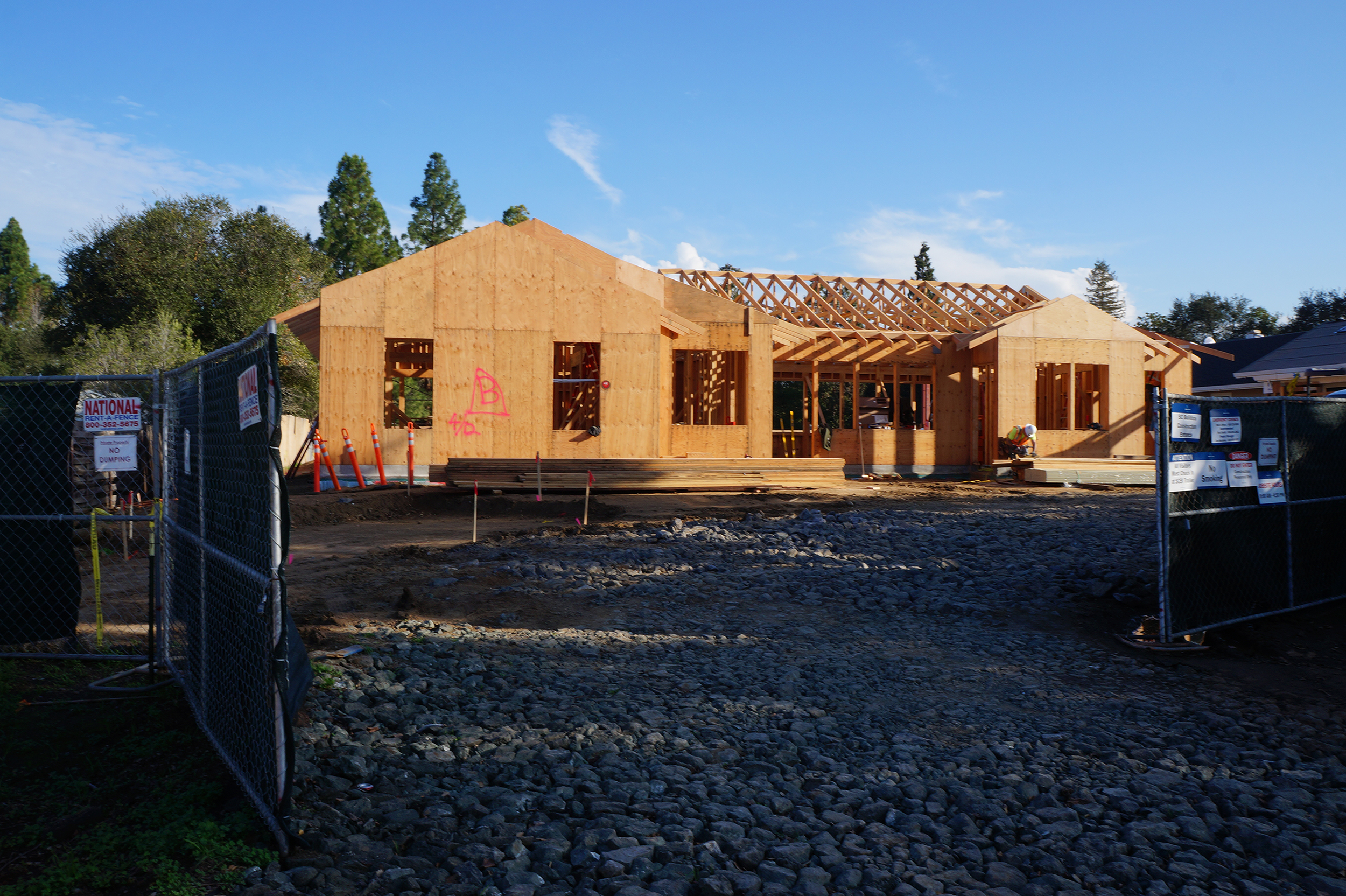
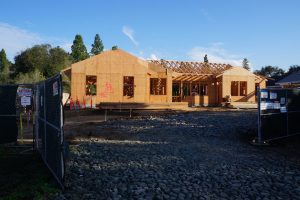
Founded in 1995, Bowman is an innovative, accredited Montessori program serving primary-8th-grade students in Palo Alto, California. Mary Beth Ricks has been Head of School since 2008 and started as one of the founding teachers at Bowman. Bowman is the first Montessori school in California to be accredited by the IMC. Mary Beth is Co-Chair of the Accreditation Commission. We are so delighted that, after a long search for property, they were able to secure land and begin their expansion. We thought it would be helpful for others considering an expansion to read how Bowman conducted their search.
IMC: What was the impetus for opening a second campus?
Bowman has grown from 13 to 280 students in the past 24 years, and our current campus doesn’t have enough space for additional facilities. Our three main goals for a second campus include: expanding our early childhood program to include ages 3-5 and completing the classic Montessori primary classroom; providing classroom space that follows Montessori guidelines for size and design; and offering enhanced arts, athletics, technology, and science programs for students.
For example, we don’t have a theater for our music and drama productions and must currently rent venues in the community. In addition, there is no gym for sporting events, so athletes have to drive to other locations to practice and play, and the current campus does not have enough room to provide the full set of STEAM/STEM activities we feel
are important.
In short, there is not enough space to expand on our current site, so the solution is a second location.
IMC: How close is it to the main campus, and how will the two new sites be configured?
The two sites are within walking distance from each other, approximately 300 feet door to door and totaling around 3 acres. Bowman students will move between the two sites during their day, as there are classrooms and activity space on both.
Our current site will house the majority of classrooms and administrative offices, along with the library, media room, and music room. The new site, called the Learning Village, will include our children’s house (juniors 3-6 program), theater, gym, IDEALab (maker space, media lab, woodshop) and outdoor learning environments, such as science gardens, a greenhouse, and a sunken learning circle.
IMC: How long has the process taken from the conception of the new campus to opening the doors?
We held the original stakeholders meeting in 2013, and we will open the doors of the new site in summer 2019.
IMC: What stakeholders did you involve in the process, and how valuable was that to the overall success of the project?
From the initial meeting until today, our stakeholders have always included current parents, alumni parents, teachers, board members, and all staff.
As we moved forward with our plan, we added our residential neighbors to the list of stakeholders. We have been in Palo Alto for 24 years and in this neighborhood for 15 years. There has always been a positive relationship with our neighbors, and we wanted to keep it that way.
All stakeholders have been overwhelmingly positive and supportive, with no push back or negative comments. Everyone saw the need, felt we had answered any possible concerns, and agreed that the project was going to be a benefit to everyone, including the community.
IMC: What were the most important considerations in your strategic plan and budget?
One of the key decisions from a strategic and budget perspective has been increasing our staff numbers at the current single site, in preparation for the staff needed with two sites. I read articles and talked with several people in similar situations, and the main concern with multiple sites is that it feels like two separate schools, instead of a cohesive community.
We have had additional teachers in place working with our current kindergarteners, who will then move into our juniors (3-6 program). But they have all worked together, understand the Bowman community and are part of the school. We aren’t bringing in brand new teachers and new students. We are just moving parts of our community to new buildings.
IMC: What outside services did you hire to help with different aspects of the project?
We worked with several different professionals to make this project a success:
Montessori architect specialist, Jim Dyck, provided insight into the overall design.
Our two architectural firms were selected based on their commercial and school experience, as well as their commitment to combining our need to function as a school, with a feel of a home. The design needed to fit into the residential style of the neighborhood. We worked with one set of architects to get approvals through the city and a different set for the actual building.
An attorney helped us work through the nuances of city planning approval processes.
Fundraising and public relations consultants were key to our strategic planning and communications efforts.
One final key service was a project manager. I absolutely could not have continued running the school effectively and dealt with the hundreds of details that come up every week without the help of a project manager. From what kind of lights, to what color paint lines on the gymnasium floor, to ensuring all building codes are followed, having a project manager has been key.
I would also note that Bowman School has a policy of not hiring any parents directly for paid services or working with a company that is owned by a parent. This is true in any situation, not just for the Capital Campaign.
IMC: Will there be any original artwork on the campuses?
Yes! We hired a professional artist to create a public art display. He also worked with our students to create symbols based on Maria Montessori’s noted human tendencies, such as abstraction, exploration, order, and work. Each symbol will be an original design fabricated in metal and embedded into the concrete used to pave the main entry to the school. An additional bonus of the project was that our students got to travel and watch the metal forging process.
Our city actually requires that new buildings include a percentage of construction budget allocated to art. Either the city can provide the art or you can source your own art and go through an approval process, which is the route we chose. It will be a direct reflection of our school and values, while also providing a great educational opportunity for the students.
IMC: What is your main piece of advice to other schools considering a Capital Campaign effort such as yours?
Be flexible and don’t lose sight of the heart and soul of your school. And take time to soak up the goodness of your project. You did this! ′
ML/ August 2019/ Pg 14
by Ann Epstein Ph.D | Brain Development, Children with Exceptionalities, Empowerment, Mindfulness, Mixed Ages, Montessori Education, Montessori Teachers, Planes of Development, Prepared Environment, Sensorial, The International Montessori Council
Supports for children who have special needs have been legally mandated for several decades in the United States. The Individuals with Disabilities Education Act became law in 1990 and was updated in 2004. Public schools must provide Individualized Education Programs (IEPs) for students with documented needs that meet the law’s specified criteria. IEPs identify needed accommodations, special education services, and supplementary aids as well as their frequency and duration. Montessori guides who teach in public school settings typically collaborate with special educators and service providers (for example, occupational therapists) within their district to provide appropriate services for children who have exceptionalities. Children who attend independent Montessori schools are also entitled to federally supported services through IDEA provisions.
In addition to accommodations (services and supplementary aids specified in children’s IEPs), Montessori guides often need to adjust classroom practices. Depending on each child’s individual needs and strengths, adjustments can affect how guides teach lessons, demonstrate materials, design the classroom environment, assist children during transitions, facilitate conflicts, and address a myriad of other day-to-day interactions. The following chapter provides examples of how Montessori guides support children with exceptionalities in primary (ages three through six) and lower elementary (ages six through nine) classrooms. Supports address Montessori developmental aims of concentration, independence and order, as well as fine-and-gross motor skills, cognition, and social/emotional growth.
Some guides and administrators hold the view that adjusting classic presentations or changing aspects of the work period conflict with their training and are ‘not Montessori.’ However,
changes can make the difference between a child being a successful, joyful learner or being frustrated and even miserable. The following recommendations are either current evidence-based practices or suggested by Montessori guides experienced in working with children who have exceptionalities. Every guide and school head needs to decide if these suggestions fit with her/his view of Dr. Montessori’s philosophy. Hopefully, the strategies will offer possible solutions and perhaps expand the Montessori community’s view of following each individual child.
Observation, the present level of performance, and goal setting
Before examining specific supports for learners with exceptionalities, attention must be given to determining the child’s strengths and needs. Dr. Montessori implored teachers to observe children carefully (Montessori, 1964). While pointing out that “…the teacher shall observe whether the child interests himself in the object, how he is interested in it, for how long, etc., even noticing the expression on his face…” (pp. 108 – 109), Montessori did not provide specific observational formats. Rather, she emphasized the importance of both capturing details of how children work with materials and honoring “principles of liberty” (p. 109). Montessori warned against insisting a child pursue an activity, noting this can cloud whether or not the child is truly ready to engage in exploring and learning specific concepts.
A possible translation of Montessori’s recommendations into today’s special education landscape is that teachers need to document the child’s present level of performance (Individualized Education Program, 2006). Anecdotal records (brief objective snapshot statements of a child’s performance), running records (more in-depth accounts of how a child carries out an activity or an interaction), and checklists (noting whether or not a child carried out a particular activity or behavioral expectation) are all helpful. The aim is to document as much detail as possible regarding the child’s current level of understanding and/or behavior.
If, for example, a guide is concerned that a three-year-old child concentrates for short periods of time, documentation of start and stop times of the child working with various materials will provide a clear starting point. The guide may learn that the child spends more time with practical life activities and less with sensorial materials. The guide could further note whether the child concentrates longer when working with a peer if there are differences in the child’s concentration at the beginning of the work period versus the middle or the end and if the child sustains attention for longer periods of time when playing outdoors. Careful observations and documentation will assist guides in determining, in as much detail as possible, the child’s present level of concentration.
Once the child’s present level of performance (sometimes referred to as the PLOP) is clear, guides may find it helpful to check developmentally appropriate expectations. The American Academy of Pediatrics (n.d.) partners with Healthychildren.org to provide expected milestones in the areas of movement, fine-and-gross motor skills, language, cognition, and social and emotional development. Using the above example, perhaps the guide notes that the child does not consistently follow three-part commands nor recall parts of a story. This could suggest the child is having difficulty understanding verbal explanations and reminders, leading to another round of observations.
In addition to the American Academy of Pediatrics, the Center for Disease Control (CDC) also provides information regarding expected milestones in a resource titled, “Learn the Signs – Act Early.” When Montessori guides wonder if a child is on track in any developmental domain, it is helpful to refer to several recent, professionally vetted milestones. Keeping in mind that teachers’, as well as parents’ expectations, can be either high or low, milestone ranges can be helpful guidelines.
Lower elementary guides may find academic standards helpful. State departments of education provide expectations in language arts and math for each grade level, as does the Common Core (n.d.). While the Montessori curriculum does not align completely1 with traditional reading, writing, and math expectations, guides can use academic standards to better understand a child’s level of performance. Both the National Center for Montessori Education in the Public Sector (http://www.public-montessori.org/resources/common-core-state-standards) and the Association Montessori Internationale provide suggestions for aligning Montessori with elementary standards (https://amiusa.org/ami-montessori-and-the-common-core-state-standards/).
The final—and crucial—step in determining a child’s present level of performance is to fully accept it. Guides truly need to be at peace with a child, for example, working with an activity for an average of three minutes across settings, times of the day, and with or without peers. Supporting this child in increasing his or her concentration occurs much more easily if teachers are not resisting the child’s current length of time. Thinking, “ just can’t concentrate. How can I manage our classroom when only concentrates for 3 minutes?!” adds stress for both the guide and the learner. Alternatively, accepting that the child can consistently focus for three minutes is more likely to result in planning for and then implementing a
successful change.
Once the learner’s PLOP is clearly documented, goal setting should be carried out with families. Before meeting with a family, the guide drafts a manageable, achievable goal. Then the guide listens carefully to whether or not family members agree and adjust the goal to fit the family’s needs and priorities. Working in a respectful partnership is essential to the child’s success. Ongoing, frequent communication between families and guides is especially important if a goal needs to be altered once interventions are implemented.
The guide then shares evidence of the child’s learning with parents. A portfolio of photos, videos, and work samples helps families understand what the child is able to do and where the child is struggling. Again, it is important to consider the range of ages when children reach milestones. For example, it is typical for children to produce clear /r/ sounds in their expressive speech any time between age 3 and (particularly for boys) age 7. At this point, it is important for parents to observe the classroom, not only to perhaps catch a glimpse of the concern but to view the range of skills across age levels.
Goals are discussed and agreed upon with family members. Next, determine specific ways to reach the goal. It is important to reflect upon and begin planning interventions before meeting with families. When sharing possible approaches, invite families to discuss both your suggestions and their own recommendations. Agree on a clear plan, and explore changes that could also support the child at home. Both guides and families find it helpful to document the agreed-upon plans, whether with a quick email or a simple hard copy.
Strengthening concentration
The previous example addressed helping a three-year-old child increase the average length of time working with an activity. It is important to note that difficulty concentrating is not considered a special need according to IDEA criteria. However, it is often a component of a language disorder, an intellectual disability, or even an emotional disorder. And difficulty focusing on a task or activity can ‘simply’ be associated with a child’s temperament. Since concentration is a key component of Montessori learning and difficulty sustaining attention can be associated with an exceptionality, it serves as the premise for an example of how to implement effective supports.
Perhaps the family and guide agreed that concentrating for five minutes (on average) is an achievable goal. The guide observed that the child stayed with an activity longer as the morning work period progressed. However, arrival, settling in, and choosing an initial activity appeared to be particularly difficult. The guide also observed that the child enjoyed the book reading area of the classroom and often looked at books for up to five minutes. The guide suggested (and the family agreed) that an adult (either himself or his assistant) read a story that the child selected for at least two minutes at the beginning of the work period. The adult would then lead the child to either practical life or sensorial (preferred areas), offer the child two choices (for example a knobbed cylinder block or the demonstration tray of the geometric cabinet), and gently remind the child to complete the work before returning it to the shelf.
Several components of a potentially successful outcome are present in this scenario:
1. Beginning the work period with adult support of a preferred activity (story reading)
2. Making a choice between two specific preferred activities (rather than choosing from the whole array of activities in practical life or sensorial)
3. Listening to a gentle reminder of expected behavior (complete either the demo tray or the cylinder block before returning it to the shelf)
Children in lower elementary classrooms who struggle with concentration issues require supports suited to their developmental levels. They are typically able to monitor their own time with a personal watch or a classroom clock. Often, they enjoy beating their time by, seeing if they can concentrate for an additional five minutes. Lower elementary students are also able to use self-talk more effectively. For example, reading or reciting a statement similar to the following can be helpful.
“I am learning to focus longer and longer on my work. Today I am aiming for 15 minutes. I know I can do it!”
Lower elementary students also enjoy visual displays of their progress. Guides can assist them in making their own daily and weekly graphs, showing the number of minutes they focused successfully on their work. Guides can either send families a hard copy or an electronic file of the learner’s graph each evening.
Rochester (MN) Montessori School lower elementary guide, Andy Sawyer, stated his single most effective support for students working to stay focused has been offering an opportunity to run several laps around the school soccer field first thing in the morning. “Over half of the students in my class took advantage of our offer and ran four or five laps if the weather cooperated. This provided social time as well as a way to wake up their brains (synapse activation). It really did help everyone begin their day ready to learn.” (Sawyer, personal communication, July 2016).
The success of particular support depends on how well suited it is for an individual learner. Table 1 notes support that could prove helpful for children in Montessori primary and lower elementary classrooms who are working to strengthen concentration if careful observation reveals them to be appropriate matches for individual needs and strengths.
Encouraging independence
Montessori recognized the child’s inner drive to “do it myself” (Montessori, 1967). She urged guides (and parents) to refrain from “helping” children with any task or activity they could carry out on their own. Montessori also designed each learning material with an inherent control of error, eliminating the need for an adult to check or correct children’s work.
Occasionally, children need support in carrying out procedures independently. Photo booklets, similar in design to Social StoriesTM (Gray, 2004) can be helpful. If, for example, a child has difficulty remembering each of the steps involved with using the restroom, a guide can display sequential photos on the bathroom wall. Sequential photos can also assist children who struggle with putting on and taking off snow clothes, as well as cleaning up after lunch, or putting away work and joining classmates for a community gathering. (Please see Figure 1 for an example of a social story regarding appropriate touch.)
Assisting the development of children’s sense of order and self-discipline
Early childhood educators assist children in learning to regulate their behaviors and develop self-discipline (de la Riva & Riva, 2015). Montessori (1966) addressed a component of self-discipline by recognizing the importance of respecting children’s sense of order. She noted that “Order is one of the needs of life which, when it is satisfied, produces real happiness.” (p. 52) Montessori believed that children have an inner sense of order that is nurtured when their surroundings and routines are predictable, consistent and orderly. If this is so, and children are still not able to regulate their behaviors, guides may need to provide additional supports.
Strategies regarding multi-sensory integration can prove effective in helping children manage their behaviors and, ultimately, develop self-discipline. While not formally recognized by the U.S. Department of Education (2015) as a special need, difficulty integrating sensory input can result in learning and behavioral challenges. Recently termed “sensory processing disorder” (SPD), difficulties include unsteady balance, hypo or hypersensitivity to touch (can vary from day to day), fine-motor weakness, and poor muscle tone or coordination (Sensory Processing Disorder, n.d.). Occupational therapists typically provide services for children with SPD. There is controversy regarding the effectiveness of SPD strategies. However, occupational therapists (Sweet, 2010), special educators, and pediatricians note successful outcomes (Gourley, Wind, Hennigher, & Chinitz, 2013; Noddings, 2017). Montessorians have found success helping children regulate their behaviors (for example, impulsively touching—or shoving or hitting—a peer) by calming themselves through the use of weighted lap pads and therapy balls (with lower elementary students) for short periods of time. The use of sensory integration materials and equipment should be supervised by a knowledgeable professional (for example, a special educator serving as a consultant to the Montessori school).
Practical life and art activities such as pouring rice or water, working with play dough, and handwashing (perhaps with the option of applying a small bit of lotion) can help young children with challenging behaviors to develop self-discipline. The length of the activity is a key point. Children working to regulate their behaviors often need long works (such as polishing or dishwashing) to be shortened. Reducing the number of steps provides them with the opportunity to repeat soothing steps and not lose track of what to do next. For example, table scrubbing can be modified to include only dampening a small brush, running it over a bar of soap, scrubbing, and then drying the table with a hand towel. This allows children to repeat circular scrubbing strokes over and over, often bringing them to a calm state. Providing a variety of interesting items to scrub (large seashells, car tires, large pumpkins) and modifying the number of steps can provide children with successful self-regulation experiences that also honor and strengthen their sense of order.
Both children’s house and lower elementary guides may find it helpful to design a small area of the classroom (or even a single shelf) to house sensory items. Rainsticks, soft hand puppets, snow globes, unlit scented candles, scented hand lotion, earphones for listening to sounds in nature, and kaleidoscopes can provide relaxing sensory input. Children can have the option of selecting one of these items and ‘taking a sensory break,’ for a specified amount of time. Or, several items can be placed in a basket for children to select, take to a rug or table, and then explore as they would any other material.
Teaching young children to use specific verbalizations can also help develop self-regulation. Rochester Montessori School special educator, Diane Betzold, describes her success in working with a highly active three-year-old:
“I had worked with Sam for around a month, modeling slow movements and quiet voice levels. We worked on puzzles and read stories together in my classroom (resource room) several times a week. I also modeled the phrase, “I am calming my body” while we pursued various activities. One day, Sam’s teacher brought him to my room for unscheduled work time. Sam had been running in his classroom and was unable to focus on any activities. Red-faced and a bit out of breath, he declared, “Miss Diane, I am calming my body!” While I modeled taking a slow, deep breath, Sam repeated this phrase and did calm his body. We worked together for just another few minutes until he was ready to return to his classroom. I reminded his teacher to use this strategy with him. She later shared that modeling and encouraging Sam to calm his body was effective. (Betzold, personal communication, July 2016).
Similarly, older children may have success in repeating self-affirmations. Coupled with taking one or two deep breaths, reminders to use phrases such as “I can be calm again” and “I feel myself calming down” can help learners return to a calm state.
Supports for strengthening motor skills, cognition and memory, and social/emotional skills
Children with exceptionalities in specific developmental areas may have services documented on their IEP. Often, though, Montessori guides observe the need for supports within and across developmental domains before IEPs are developed. Fine motor supports can take the form of pencil grips and adaptive scissors. Attaching magnets to three-part cards and providing a magnetic whiteboard (or a simple aluminum cookie sheet) can offer security to a child with weak eye-hand coordination. Time riding on stationary bikes (child-sized), jumping on mini-trampolines, and walking across very low (4 to 6 inches off the floor) balance beams (children remove shoes and socks) can help children strengthen and coordinate large muscles. In addition, these activities often help children develop order, concentration, and independence.
A wide array of strategies is available to Montessori guides working with children who struggle to remember information. Reflection approaches such as SQ4R (Hartlep & Forsyth, 2000) can help children remember specific concepts and definitions. Guides can model the five components—survey, question, read, recite, writer. Self-talk (repeating definitions to oneself) and pneumonic devices can be helpful. Graphic organizers, from standard Venn diagrams to fish skeletons (Figure 2), can assist children in understanding and remembering over-lapping characteristics and relationships, including cause and effect and ‘if/then.’
Dr. Montessori identified effective cognitive strategies that have withstood the test of time while working with children who struggled with early reading, writing, and math concepts (Montessori, 1965). She modeled a multi-sensory approach by showing children how to gently stroke sandpaper letters while repeating their sounds (/a/, /a/, /a/). Guides can offer children similar opportunities with puff paint as well as felt letters and numerals. Tracing letters in farina (milled wheat) sprinkled on a tray or over zip lock bags filled with hair gel offer additional tactile experiences.
Perhaps the most effective cognitive support is careful error analysis followed by modeling and guided practice. Where does the learner become confused? If the primary-aged child cannot follow all the steps of dynamic addition, return to static addition and re-teach the process more slowly. If a silent demonstration is not effective, verbalize the steps. “I have 11 unit beads. I will exchange ten of my beads for a ten bar. Now I have one ten bar and one unit bead.” Ask the child to repeat your actions and your verbalization. Then stay with the child as he/she practices. Provide this assistance for several days. Do not step back until the child demonstrates understanding. Scaffolding instruction (Berk & Winsler, 1995) is important for all learners but is often critical for children who struggle with cognitive processing.
Supporting children who are upset, frustrated, and perhaps even aggressive can be particularly wearing for Montessori guides. Just as math and literacy skills need to be modeled, social skills must be overtly taught for some children. Grace and courtesy lessons typically include inviting a peer to work together, passing in front of another (“excuse me”), and waiting for a busy teacher’s attention (placing one’s hand on a guide’s shoulder). Addressing one’s own strong emotions and learning to resolve conflicts require step-by-step demonstrations followed by opportunities for practice. These practice lessons should take place with a willing peer when children are calm. When an actual upset occurs, guides need to calmly step in and remind children of each step.
For example, if a child (Mattie) appears to kick another child’s (Sara) pink tower, the guide first helps the kicking child identify intentions and feelings. “Are you mad at Sara?” “Would you like to work with Sara?” “Are you upset that Sara did not ask you to build the tower with her?” Then the guide asks Sara to share her feelings. “How did you feel when Mattie kicked over your tower?” Once feelings and intentions are identified, the guide facilitates a resolution. “What do you think we should do now?” Guides are often surprised at how quickly children offer the next step. Occasionally, children need ideas, but the resolution is much more effective if it is generated by participants rather than by guides.
Again, the critical component of providing supports for children who struggle with social and emotional challenges is that guides must teach these skills directly. Just as lessons are given to help children learn rhyming words and subtraction, guides need to demonstrate and then help children practice and learn conflict resolution. That said, the design of the learning environment could assist in fostering a peaceful atmosphere. Inviting work areas with small lamps, gentle miniature waterfalls, soft fabric wall hangings, quiet music, and aromatherapy suffusions add soothing sights, sounds, textures and smells to classrooms.
Dr. Montessori began her pedagogical work with children who did not learn easily. Over a hundred years later, Montessori guides continue her legacy of providing individualized instruction. Whether children have IEPs with specific services or they are in the grey area of “struggling learners,” guides have the opportunity and responsibility to provide assistance. Once the child’s present level of performance is determined, a plethora of support is available to Montessori guides. In collaboration with families and specialists, strategies are carefully selected, implemented, and monitored. If the child does not achieve the targeted goal, another support is implemented. Throughout this process, guides, are, indeed, adhering to Dr. Montessori’s original directive to respect and honor each individual child’s strengths and areas of need (Lillard, 1972; Montessori, 1964). ′
References
American Academy of Pediatrics (n.d.). Retrieved from https://www.healthychildren.org/English/ages-stages/toddler/Pages/Developmental-Milestones-3-to-4-Years-Old.aspx
Berk, L. E., & Winsler, A. (1995). Scaffolding children’s learning: Vygotsky and early childhood education. Washington, D.C.: National Association for the Education of Young Children.
De la Riva, S., & Ryan, T. G. (2015). Effect of self-regulating behavior on young children’s academic success. International Journal of Early Childhood Special Education, 7(1), 69-96.
Common Core Standards Initiative (n.d.) Retrieved from http://www.corestandards.org/read-the-standards/
Gourley, L., Wind, C., Henninger, E. M., & Chinitz, S. (2013). Sensory processing difficulties, behavioral problems, and parental stress in a clinical population of young children. Journal of Child and Family Studies, 22, 912-922.
Gray, C. (2004). Social StoriesTM10.0 The new defining criteria & guidelines. Jennison Autism Journal, 15(4), 2-21.
Hartlep, K. L., & Forsythe, G. A. (2000). The effect of self-reference on learning and retention. The teaching of Psychology, 27(4), 269-271.
Individualized Education Program. (2006). Retrieved from http://idea.ed.gov/explore/view/p/TopicalArea2C.
Individuals with Disabilities Education Act of 2004, Pub. L. No. 108-446. (2004). Retrieved from http://idea.ed.gov/explore/view/p/statute.
Individuals With Disabilities Education Act 20 U.S.C. § 1400 et seq. (2006).
Lillard, P. (1972). Montessori: a modern approach. New York City, NY: Schocken Books.
Montessori, M. (1964). The Montessori method. New York City, NY: Schocken Books, Inc.
Montessori, M. (1965). Dr. Montessori’s own handbook: A short guide to her ideas and materials. New York City, NY: Schocken Books, Inc.
Montessori, M. (1966). The secret of childhood. New York City, NY: Ballantine Books.
Montessori, M. (1967). The discovery of the child. New York City, NY: Ballantine Books.
Noddings, A. (2017). Classroom solutions for sensory-sensitive students. Montessori Life, Summer 2017, 45-49.
Sensory Processing Disorder, n.d. Retrieved from http://www.sensory-processing-disorder.com/sensory-processing-disorder-checklist.html.
Sweet, M. (2010). Helping children with sensory processing disorders: The role of occupational therapy. Odyssey, Spr/Sum 2010, 19-22.
U.S. Department of Education, National Center for Education Statistics. (2015). Digest of Education Statistics, 2013 (NCES 2015-011), Table 204.30. Retrieved from http://nces.ed.gov/fastfacts/display.asp?id=64
ML/ August 2019/ Pg 9
by Kathy Leitch | Empowerment, Peace Education, Planes of Development, Prepared Environment, School Leadership, The International Montessori Council
Dear IMC members,
Well, we are almost there! By the time this issue of Montessori Leadership arrives, we will have celebrated the end of another school year and are well into preparing for the next, in most of the northern hemisphere. Where did the summer go? I like to consider the end of each school year as an opportunity to acknowledge our progress and many accomplishments, appreciate our staff, students and families, and begin making plans for “next year” as we reflect on plans for improvement. Each new school year brings us the opportunity to start with a fresh perspective and understanding of how we can better serve our Montessori students.
We, the International Montessori Council (IMC), are also exploring the most relevant and responsive ways to serve you, our members. Many of you have clearly expressed your interest in being actively involved with the IMC strategic initiatives for the future. As I have mentioned previously, we are focusing on four strategic domains to stay mission-aligned as we move forward.
We are currently forming strategic committees that will work directly with our board members to creating action plans for each of the following strategic initiatives:
1. Strengthen our governance, finance, and internal systems to ensure sustainable growth.
2. Develop an array of meaningful and responsive services aligned with our core values to attract, retain, and increase our membership.
3. Lead educational innovation with a unifying voice, impacting education, families, and Montessori worldwide.
4. Embrace inclusivity, seeking to understand and embody the principles and practices of social justice, restorative practice, and conflict resolution, encouraging Montessori’s vision of peace throughout the world.
We’ll use our Core Principles to guide our initiatives and reflect on our progress:
INCLUSION: A circle of equals where everyone has a voice.
SUPPORT: A global network of Montessori expertise.
OUTREACH: Making Montessori education more accessible.
LEADERSHIP: Building peaceful and positive school communities.
BEST PRACTICE: Promoting fully implemented Montessori education.
FAMILY: Helping parents apply Montessori at home.
PEACE: Living it, teaching it, promoting it through community service.
ADVOCACY: Opportunities for social justice and equity work.
SELF-CARE: Learning environments that enhance happiness and health.
You will find these core principles reflected throughout this issue of Montessori Leadership.
From inclusion to equity to advocacy to best practice…you will notice that each of our contributor’s views inspires an open mind, a paradigm shift, and the opportunity to explore our understanding of Montessori philosophy and practice.
Keep in mind, we’re here to help. Stay in touch and let us know how we can best serve your needs. We welcome your article submissions, school highlights, and book reviews. Please email me at kathyleitch@montessori.org with any questions or ideas.
Sincerely,
Kathy Leitch
Executive Director
International Montessori Council
Kathyleitch@montessori.org
ML/ August 2019/ Pg 4
by Christine Lowry | Empowerment, Health / Nutrition, Kindergarten, Lower Elementary (6-9), MFA, Montessori Family Life, Montessori Parenting, Practical Life, Prepared Environment, Primary (3-6), Uncategorized, Webinars / MFA
Summer break is a great time to help children learn to make their own lunches. Christine will walk you through a “lesson” on teaching your child to prepare her/his own lunch for school. She will also offer ideas for setting up your kitchen “environment” so your child can be independent, for helping your child plan a “menu,” and then actually for preparing lunch.
by Cindy Acker Sarah McArthur LeValley | Emotionally Healthy Children, Empowerment, Mindfulness, Mixed Ages, Montessori Charter Schools, Prepared Environment, School Leadership, Sensitive Periods, Social Justice, The International Montessori Council, Webcasts / IMC
Webcast The Importance of Social Justice Practice in Montessori Schools
by Tim Seldin | Child's Work, MFA, Montessori Family Life, Prepared Environment, Tomorrow's Child, Tomorrow's Child Online Issue, Uncategorized
What do Montessori children do all day? Simple. They do what they feel like doing, within the same reasonable limits that define the culture of the classrooms in the morning. When they are hungry, they eat. When tired, they sleep. They may read, write, paint or draw. They may work in the garden, watch the wildlife that surrounds the classrooms, They continue with their math, science, history or geography. They cook, clean, and explore the sensorial materials. They work alone or with a friend as they wish. Many classes will suggest that the children work on drama, dance, or strength-building activities in the afternoon. Puppet shows, dance routines, songfests, story telling are old favorites. The afternoons are a great time for hikes through the nearby woods or neighborhood. Many schools have their own little woodshops. Some have pottery studios. Some have small petting farms where ponies, sheep, ducks, and geese are raised. Imagine that the children are homeschooled.
What might young children do in an all day Montessori program in the afternoon? Answer…just imagine the possibilities!
- Learn about ecology
- Learn to swim
- Make their own puppets
- Make a clay pot
- Learn to paint from a professional artist
- Write and perform in their own plays
- Learn to sculpt
- Learn to cook breakfast for their moms and dads
- Make friends with a rabbit
- Build a children’s playhouse
- Learn to play soccer
- Make scenery for a play
- Build a model volcano
- Work with stage makeup
- Prepare their own cookbook
- Use a microscope
- Tumble Build and fly gliders
- Sing and dance
- Learn to play an autoharp
- Shoot baskets
- Compose a song
- Draw with charcoal
- Write their own play
- Study bubbles
- Learn to be a clown
- Dip candles
- Learn to play the violin
- Weave a basket
- Cook creatively
- Make a paper mache mask
- Design their own t-shirts
- Explore nature
- Perform scientific experiments
- Study the stars
- Discover their hidden talents
- Develop self-confidence and self-esteem
- And make friendships that will last a lifetime
by Christine Lowry | Children with Exceptionalities, Communication, Empowerment, Mindfulness, Mixed Ages, Montessori Education, Montessori students, Planes of Development, Prepared Environment, Psychology, School Leadership, Sensitive Periods, Sensorial, The International Montessori Council, Webcasts / IMC, Young Adolescent, Young Adults
Montessori Based Multi-Tier System Of Support An Overview With Christine Lowry, M Ed